
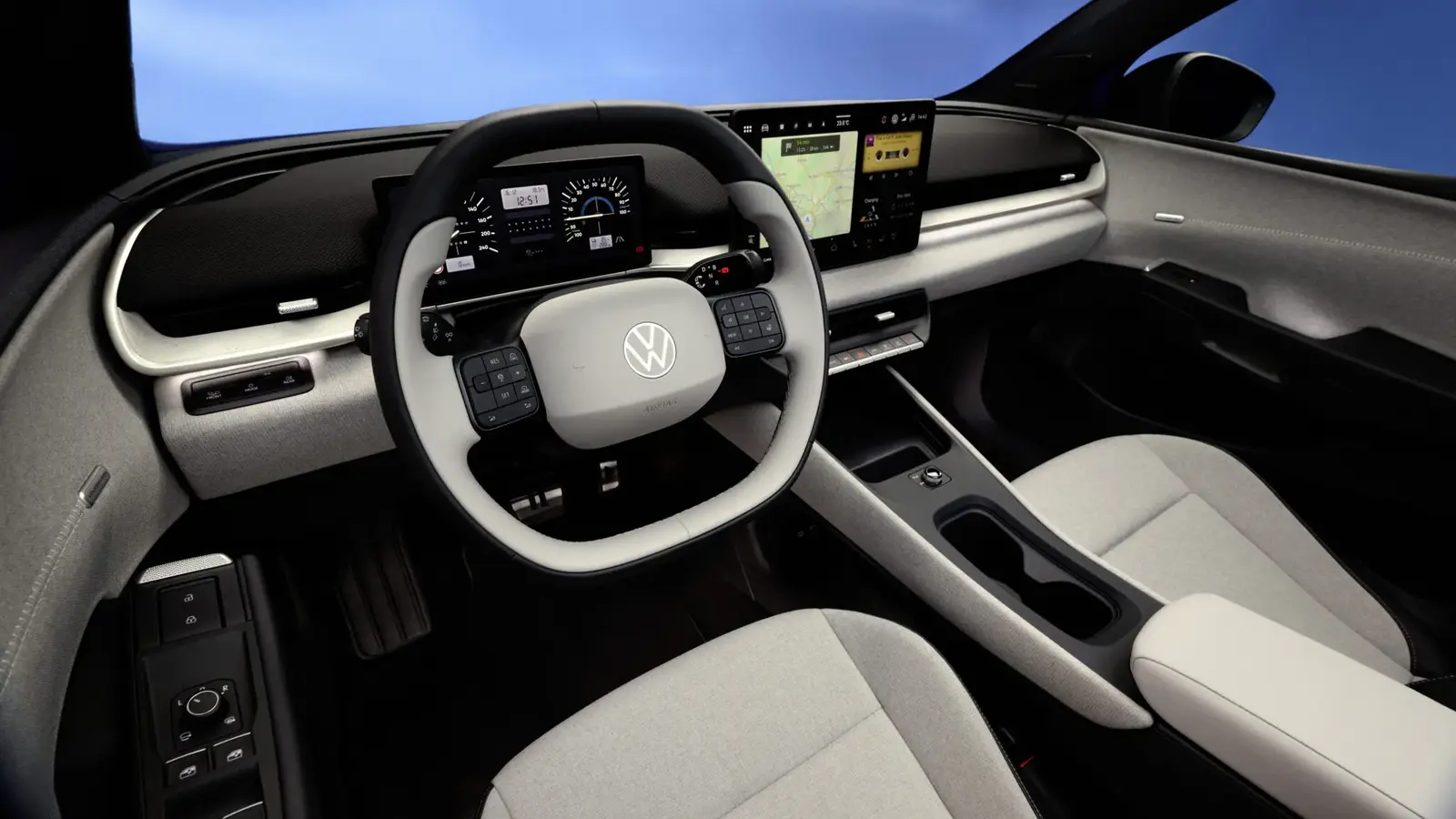
You walk up to your car, hands full, expecting the door to open without a second thought. Instead, you hesitate. Tap here? Swipe there? That tiny moment of confusion is exactly what Volkswagen is trying to erase.
After years of chasing sleek, screen-heavy interiors, the German automaker is admitting something went wrong. Not quietly, either. CEO Thomas Schäfer has been unusually direct: the brand drifted too far from what made its cars feel right in the first place.
For a company once defined by solid, no-nonsense usability, the shift toward touch sliders and hidden digital controls felt like a betrayal to loyal drivers. Models like the Mk8 Golf and early ID electric cars became flashpoints, criticized for forcing drivers to relearn basic interactions.
Schäfer traces the issue back to how cars were being conceived. Instead of asking how people actually use their vehicles, teams focused on packing in features—long lists that looked impressive on paper but felt awkward in real life. The result? Interiors that resembled consumer electronics more than intuitive driving spaces.

When Tech Got in the Way
Climate controls buried in touch menus. Steering wheels with haptic buttons that offered no tactile feedback. Sliders that required a glance away from the road. These weren’t just design quirks—they changed how drivers interacted with the car, often for the worse.
The backlash wasn’t subtle. Owners complained. Reviewers pushed back. And gradually, a broader industry realization began to form: minimalism had gone too far.
Now, Volkswagen is drawing a line. Some things, Schäfer says, are simply “non-negotiable.” Physical controls are back on the table, starting with the most basic element of all—the door handle. It should work instantly, without thought, without instruction.

A Reset Built Around Real Drivers
Inside Volkswagen’s design studios, a different philosophy is taking shape. Led by design chief Andreas Mindt, teams are working around three ideas: stability, likability, and what Schäfer calls the “secret sauce”—that immediate sense that everything just makes sense.
This isn’t guesswork. The company is leaning heavily on real-world testing, studying how drivers behave inside the car. Cameras track eye movement. Data reveals which controls are used—and which are ignored. The question guiding every decision is simple: does this feel natural?
It’s a notable pivot, and one that mirrors a wider shift across the auto industry. As digital interfaces took over, something essential got lost. Now, brands are rediscovering the value of physical interaction—the kind you don’t have to think about.
Volkswagen’s challenge is rebuilding trust. Not with bigger screens or more features, but with something far less flashy: clarity. Because in the end, the best car technology is the kind you barely notice at all.

“I cover automotive innovation, electric vehicles, and the future of mobility — where technology meets sustainability.”

Discussion
Leave a Comment