
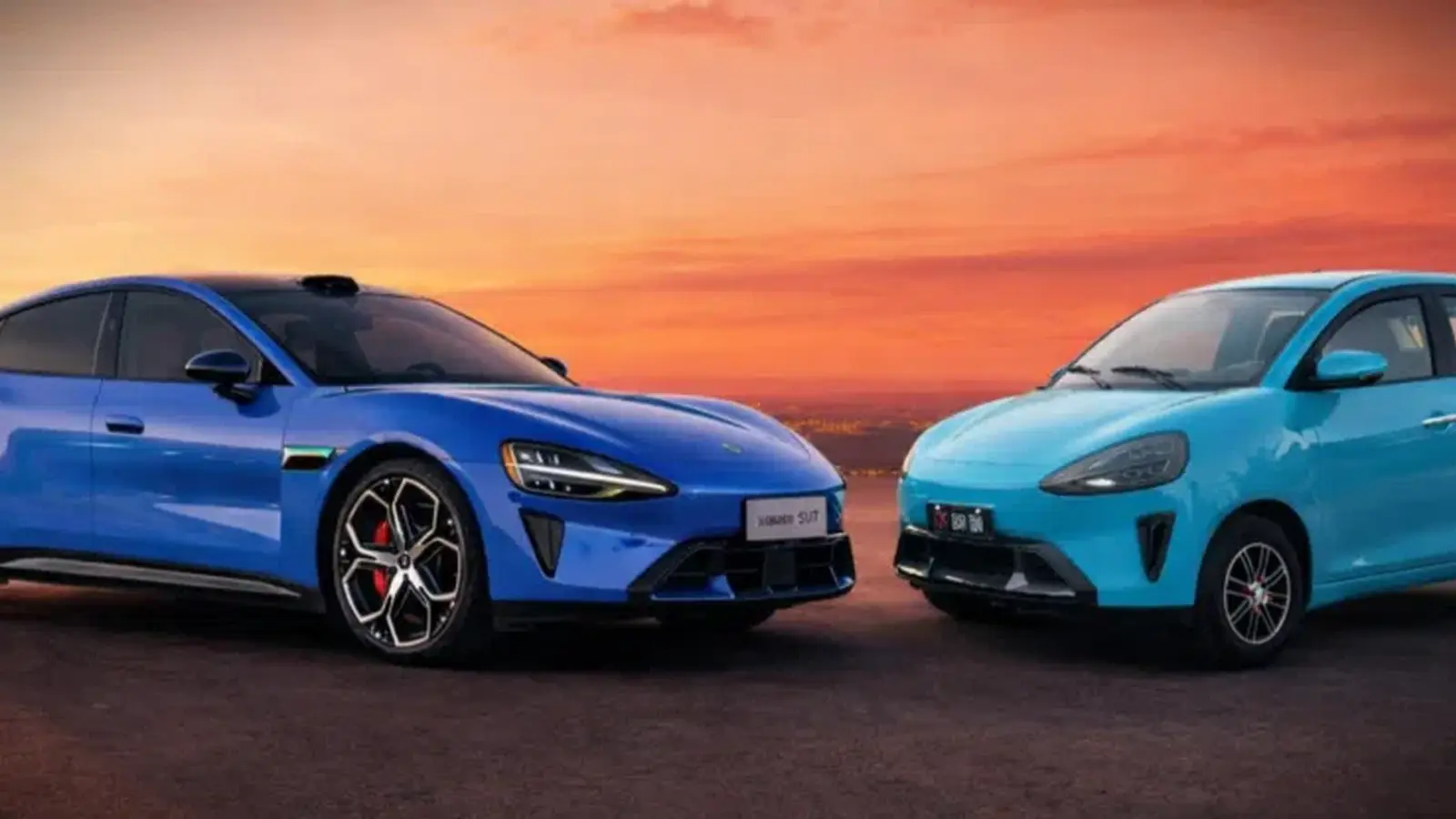
A courtroom in China is about to host a clash that says a lot about how fast the electric car race is moving—and how messy it can get. Xiaomi, a newcomer that stormed into the EV spotlight, now finds itself defending the very details that helped define its cars’ look.
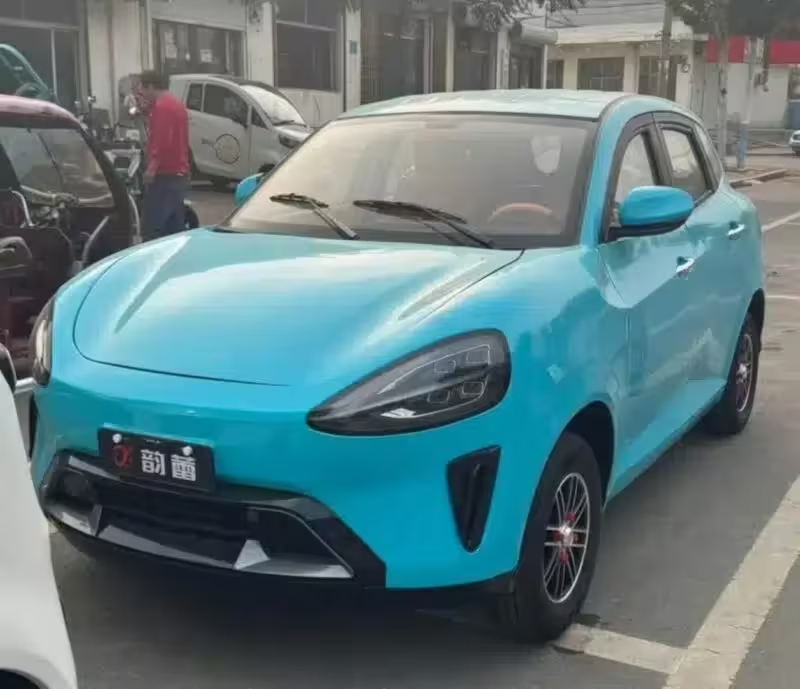
The dispute comes from Shandong Yanlu New Energy Vehicle Co., a small manufacturer best known for its low-speed electric vehicles under the Yunlei name. Despite its modest size—around 20 employees and a relatively small capital base—the company has triggered a formal patent review targeting three of Xiaomi Auto’s design elements: the rear bumper, front bumper, and front headlight.
Those components aren’t just technicalities. They’re part of the visual signature seen on Xiaomi’s SU7 and the upcoming YU7, two models that have played a major role in the brand’s rapid rise in China’s EV market.
Where design meets legal pressure
At the center of the case are three registered design patents, each tied to specific exterior features. One detail stands out: the headlight patent took more than two years to secure approval, far longer than the typical six- to eight-month review window in China. That extended scrutiny, at least on paper, suggests the design had already been examined in depth before being granted.

After approval, Xiaomi didn’t stop there. The company requested an official evaluation report from China’s National Intellectual Property Administration, which reaffirmed the patent’s validity, citing originality and inventive characteristics. The review even referenced established automotive designs from brands like Porsche, Audi, Toyota, Nissan, and Changan—placing Xiaomi’s work within a broader design landscape.
Now, all of that is being tested again. Under Chinese patent law, any party can challenge a granted patent, and that’s exactly what Yanlu has done. The upcoming oral hearing on March 26 will determine whether these design protections hold or fall apart under scrutiny.
A small challenger, a massive spotlight
On paper, Yanlu operates in a very different segment. Its Yunlei vehicles belong to the LSEV category—low-speed electric vehicles built for short urban trips, often cheaper and subject to lighter regulations. It’s a far cry from Xiaomi’s sleek, high-performance electric sedans.
Yet this contrast is what makes the case interesting. A niche manufacturer is now directly challenging one of the most talked-about EV newcomers in China, a company that recently pulled in 15,000 orders for the updated SU7 in just 34 minutes. That same model has consistently ranked among the country’s best-selling electric sedans and even surpassed the Tesla Model 3 in total annual sales during 2025.
In other words, the stakes go beyond three design patents. This is about momentum, credibility, and how much of Xiaomi’s design identity is legally protected as it scales.
The March 26 hearing won’t just decide a patent dispute—it could shape how aggressively Xiaomi defends its design language moving forward.

“Cars are evolving faster than ever. I cover electric vehicles, smart mobility, and the future of transportation worldwide.”

Discussion
Leave a Comment