
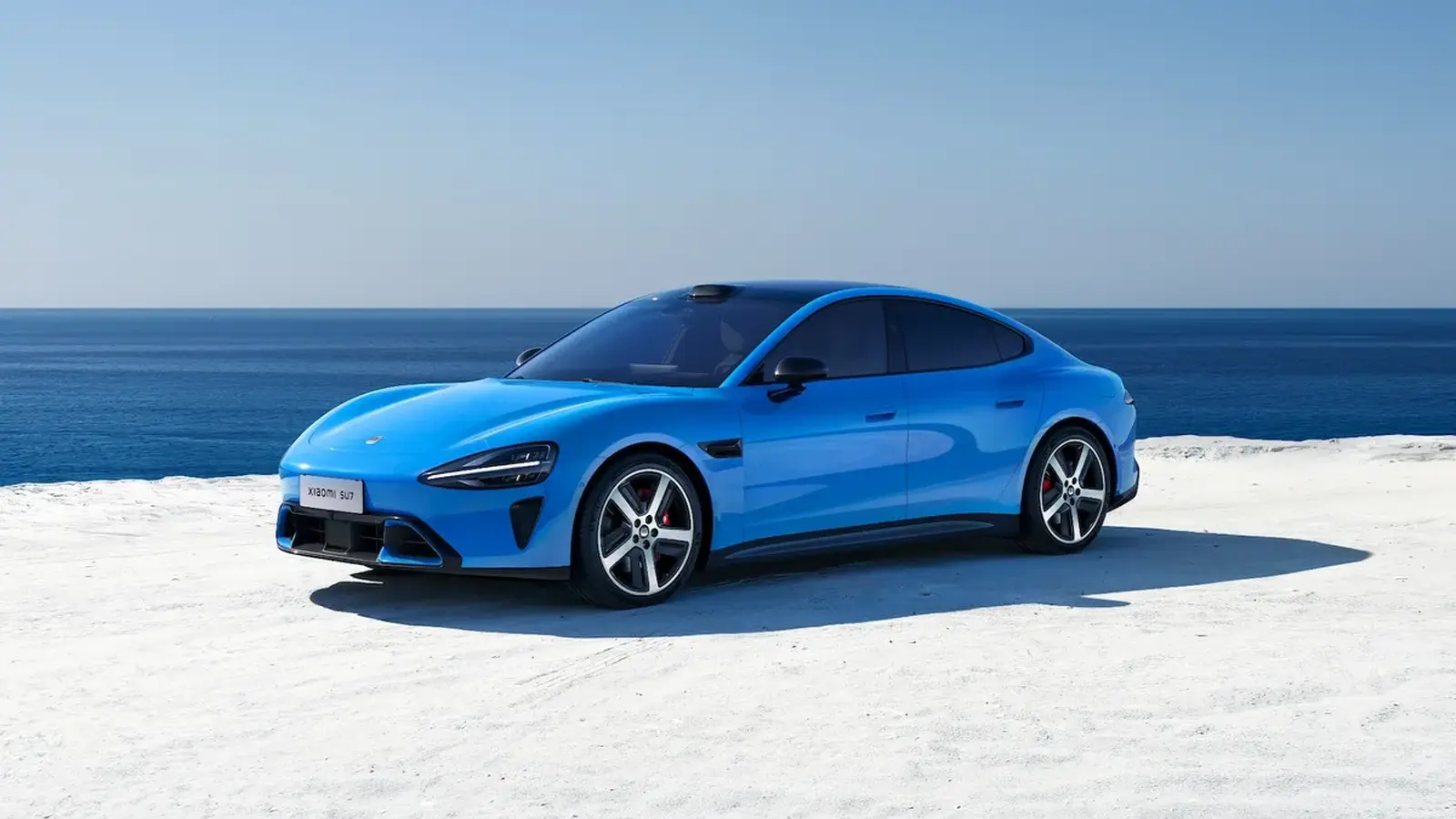
A $50,000 electric car doesn’t feel like a bargain anymore. Not in today’s market. And that’s exactly why a growing number of American drivers have started looking beyond familiar badges, casting curious glances at Chinese automakers quietly dominating global EV conversations.
They’re cheaper. Often quicker. Packed with tech that feels a step ahead. A recent consumer survey makes it plain: many US buyers would seriously consider a Chinese EV if given the chance. But that door may be slammed shut before it ever opens.
Back in January 2025, the Biden administration drew a hard line, effectively blocking Chinese carmakers from selling passenger vehicles in the United States. The reasoning leaned heavily on national security, particularly concerns around data collection and connected vehicle systems. Now, that position is about to get even tougher.
Republican Senator Bernie Moreno is preparing legislation that goes far beyond the current restrictions. Not just finished cars. Everything. Hardware, software, and even collaborations involving Chinese automotive companies could be swept into a total ban. His message, delivered ahead of the New York Auto Show, was blunt: there will be no Chinese automobiles in the US market.

Where politics meets the charging cable
The language has been anything but subtle. Moreno compared Chinese carmakers to Huawei, the telecom giant effectively shut out of US infrastructure. He went further, calling their presence a threat that must be stopped before it spreads. It’s the kind of rhetoric that turns a trade issue into something far more ideological.
Unsurprisingly, Beijing pushed back. Officials at the Chinese Embassy in Washington dismissed the proposal as protectionism dressed up as security policy. From their perspective, this is less about data risks and more about shielding domestic industry from fast-moving competition.
And there’s context here. The broader political climate, shaped in part by the lingering influence of America First policies, continues to prioritize domestic manufacturing and technological independence. Cars just happen to be the latest battleground.
Still, the timing is telling. Chinese EV makers are not fringe players anymore. Brands like BYD and NIO are expanding aggressively, offering compelling alternatives at prices that undercut many Western rivals. That puts pressure on US automakers already struggling to bring down EV costs.

So who really feels the impact?
The answer is familiar. Buyers. When competition shrinks, prices tend to hold firm or climb. Innovation slows. Features that might have become standard remain premium extras. In a market where affordability is already a sticking point, removing lower-cost alternatives doesn’t make the transition to electric any easier.
There’s also a longer game at play. Blocking foreign competitors can buy time for domestic brands to catch up, especially in battery technology and software integration. But it can also create complacency if the pressure to compete fades.
For now, the US EV market may become a walled garden, shaped as much by policy as by engineering.
Whether that leads to stronger homegrown innovation or simply higher prices is something drivers will feel every time they step into a showroom.

“Cars are evolving faster than ever. I cover electric vehicles, smart mobility, and the future of transportation worldwide.”

Discussion
Leave a Comment