
3 Minutes
Some upgrades whisper. This one redraws the map.
After nine months of quiet, methodical work, Microsoft has finished rolling out what it calls the most significant address data upgrade Bing Maps has seen in years. The change is not flashy on the surface. You will not notice a new button or a redesigned interface. But underneath, something fundamental has shifted.
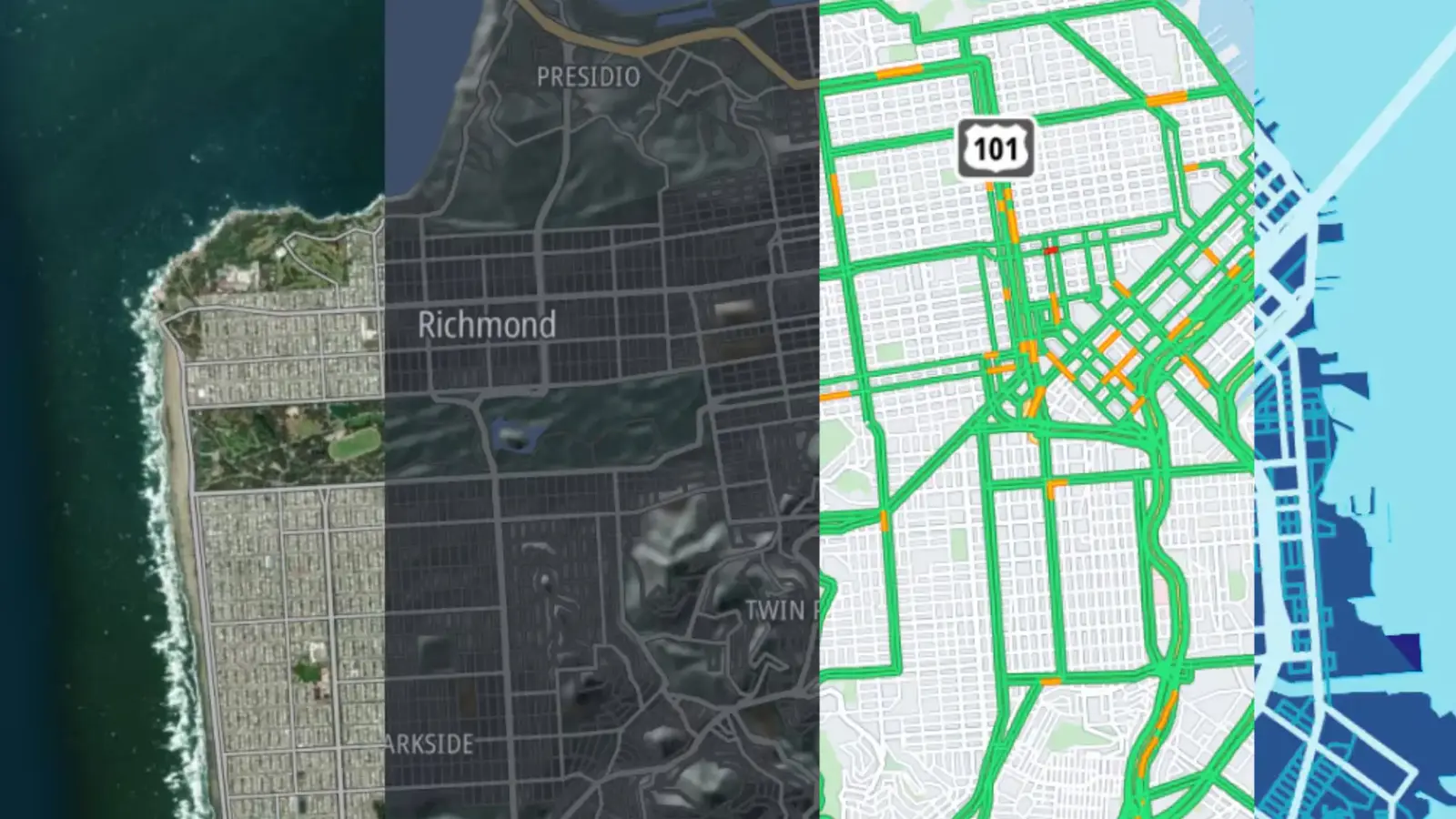
The backbone of this transformation is TomTom Orbis Maps, a next-generation mapping dataset built on a shared standard developed by the Overture Maps Foundation. It pulls from a mix of sources that reads like a who’s who of modern mapping: OpenStreetMap, partner datasets, sensor-derived observations, and TomTom’s own proprietary data.
The result is not just more data. It is better data. And that distinction matters.
Why this upgrade actually changes how maps behave
Address data is the invisible layer that powers everything from search results to navigation. When it improves, the entire experience sharpens. Microsoft says users should now see wider global coverage, more precise address placement, and fresher information that reflects real-world changes faster than before.
Think about a newly built apartment complex that used to be missing from maps. Or a business that seemed slightly off location, causing delivery drivers to circle the block. These are the small frustrations this upgrade aims to eliminate.
Orbis Maps runs on a continuous update model, which means Bing Maps is no longer relying on periodic, large-scale refreshes. Instead, the data evolves steadily, closer to how the physical world actually changes.
Not a switch, but a careful replacement
Microsoft did not flip a global switch overnight. Instead, the company rolled out the new data in phases, region by region, starting with Europe where the density and quality gains were most noticeable.
Each step followed a strict validation process. The Bing team ingested and indexed the new data, compared it against the existing dataset, tested how well it handled search queries, and checked for accuracy down to geographic positioning. Only after the new data met or exceeded internal benchmarks did it go live.
It is a slower approach, but one that avoids the kind of disruptions that can break navigation tools overnight.
Now that the global rollout is complete, Microsoft is not done. The company is continuing to integrate additional Orbis data layers and refine address accuracy in collaboration with TomTom.
For users, the improvements are already showing up across Microsoft’s ecosystem. Bing Maps feels sharper. Bing Search returns more reliable location results. Even Copilot and Azure Maps benefit, with developers seeing improved API responses tied to location data.
This is the kind of upgrade you may not notice immediately, but you will feel every time a search result lands exactly where it should.
Source: neowin


Comments
Marius
So they swapped datasets gradually, sounds smart. But is TomTom Orbis really that much better in rural areas, or only in cities? curious.
byteflux
Wow, didn't expect that... maps actually updating in the background? Kinda wild, hope address fixes finally stop deliveries circling blocks.

Leave a Comment