
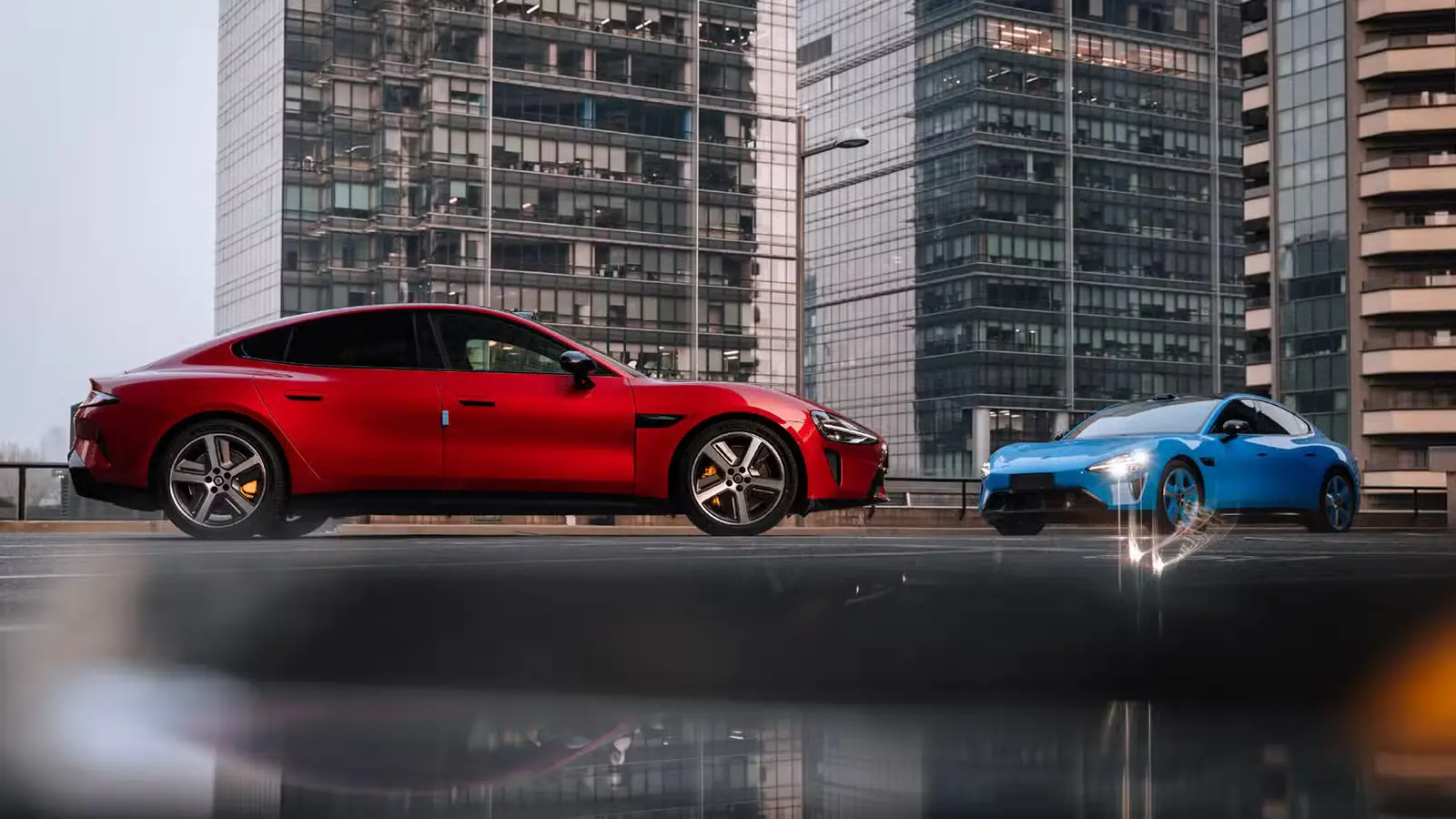
Xiaomi’s latest SU7 is wasting no time making its mark. Locked-in orders for the updated electric sedan have now climbed past 40,000 units, a strong early signal that the Beijing tech giant is finding its rhythm in one of the world’s toughest EV battlegrounds.
Founder, chairman and CEO Lei Jun shared the milestone during a three-and-a-half-hour livestream on Thursday, where Xiaomi also walked viewers through a teardown of the new model. The point was clear: show the car’s structure, safety upgrades, and the hardware underneath the polished exterior.
The timing is telling. Xiaomi officially launched the revised SU7 on March 19, then kicked off deliveries just four days later on March 23. At that point, locked-in orders had already topped 30,000. In less than two weeks, the company had moved from launch buzz to real customer handovers at a pace most automakers would envy.
By the ninth day of deliveries, cumulative shipments had already exceeded 7,000 units. Lei called it a record delivery pace, and for Xiaomi EV, that claim is hard to argue with. Getting a new model into customers’ driveways so quickly is no small feat, especially in a segment where demand, production and logistics often move at very different speeds.
A sharper pitch to EV buyers
Xiaomi EV said on April 1 that March deliveries across the brand had surpassed 20,000 units, though it stopped short of giving an exact figure. The wording suggests total monthly deliveries still sat below 30,000, which makes sense given that the upgraded SU7 had only just started reaching buyers.
The standard version of the new SU7 starts at 219,900 yuan, or about $31,960. That keeps it in a fiercely competitive price band, and it remains a direct headache for rivals such as Tesla. Xiaomi is clearly leaning on value, but it is not relying on price alone. The company is pushing safety, hardware and fast delivery as part of a broader sales message.
According to Lei, women made up 34 percent of the first batch of owners. He also said that 60 percent to 70 percent of buyers treated the car as an additional or replacement vehicle, rather than a first-time purchase. Another striking detail: as many as 70 percent of new customers reportedly did not compare the SU7 with other brands before choosing it. They simply went for it.
That kind of loyalty, or perhaps impulse, is gold in the EV market.
During the livestream, Lei highlighted the upgraded sedan’s core safety features, including its reinforced body structure and improved battery thermal protection. Xiaomi says the new SU7 uses a body made of 90.3 percent high-strength steel and aluminum alloy, a figure that should reassure buyers who are still weighing the risks and realities of switching to an electric car.
Behind the scenes, Xiaomi EV had already been preparing for the launch by building a batch of ready-to-deliver vehicles before the official reveal. That advance production move helped the company get cars into customer hands almost immediately after launch.
The bigger picture is even more ambitious. Xiaomi has set a target of 550,000 vehicle deliveries for 2026, a number that signals just how serious the company is about becoming a major force in EVs. For a brand that launched its first car, the original SU7, on March 28, 2024, the climb has been unusually fast.
Xiaomi delivered 139,471 vehicles in 2024 and 411,837 in 2025, numbers that show how quickly the company has moved from newcomer to genuine contender. The new SU7’s early momentum suggests the story is still accelerating.

“Cars are evolving faster than ever. I cover electric vehicles, smart mobility, and the future of transportation worldwide.”

Discussion
Leave a Comment