
Tesla opened the year with a numbers problem it could not hide. The company delivered 358,023 vehicles in the first quarter, a sharp drop from the 418,227 units it moved in the final quarter of 2025 and enough to send its shares sliding more than 4 percent. The surprise was not just the slowdown. It was how far production and deliveries drifted apart.
By the end of the quarter, Tesla had built 408,386 vehicles, leaving 50,363 unsold units in inventory. That is the widest gap between output and deliveries the company has ever recorded, according to data cited by Business Insider. For a brand that has long tried to keep supply and demand tightly balanced, the mismatch stood out immediately. The closest comparison came in early 2024, when production exceeded deliveries by roughly 46,500 vehicles.
This was not just a soft quarter. It was a quarter that exposed how fragile Tesla’s delivery momentum has become.
Why the slowdown hit so hard
Morningstar analyst Seth Goldstein pointed to two factors behind the weaker result: the expiration of the U.S. tax credit and the fact that Tesla’s Full Self-Driving system has not yet received approval in the European Union. Speaking to Reuters, he said those pressures are likely to keep weighing on deliveries until EU approval arrives and the U.S. enters its next incentive cycle later in the year.
That explanation fits the broader picture. Tesla was not alone in reporting a tougher first quarter, but the scale of the gap between what it built and what it sold made its report look especially uncomfortable. Investors noticed. So did the market.

The energy storage miss was even sharper
Tesla had already begun lowering expectations before the quarter closed, publishing a delivery consensus based on estimates from more than a dozen analysts. Even then, the company came up short. Analysts had expected 365,645 deliveries, but Tesla finished below that figure. The miss in energy storage was more dramatic still. Wall Street had been looking for 14.4 GWh, while Tesla delivered only 8.8 GWh.
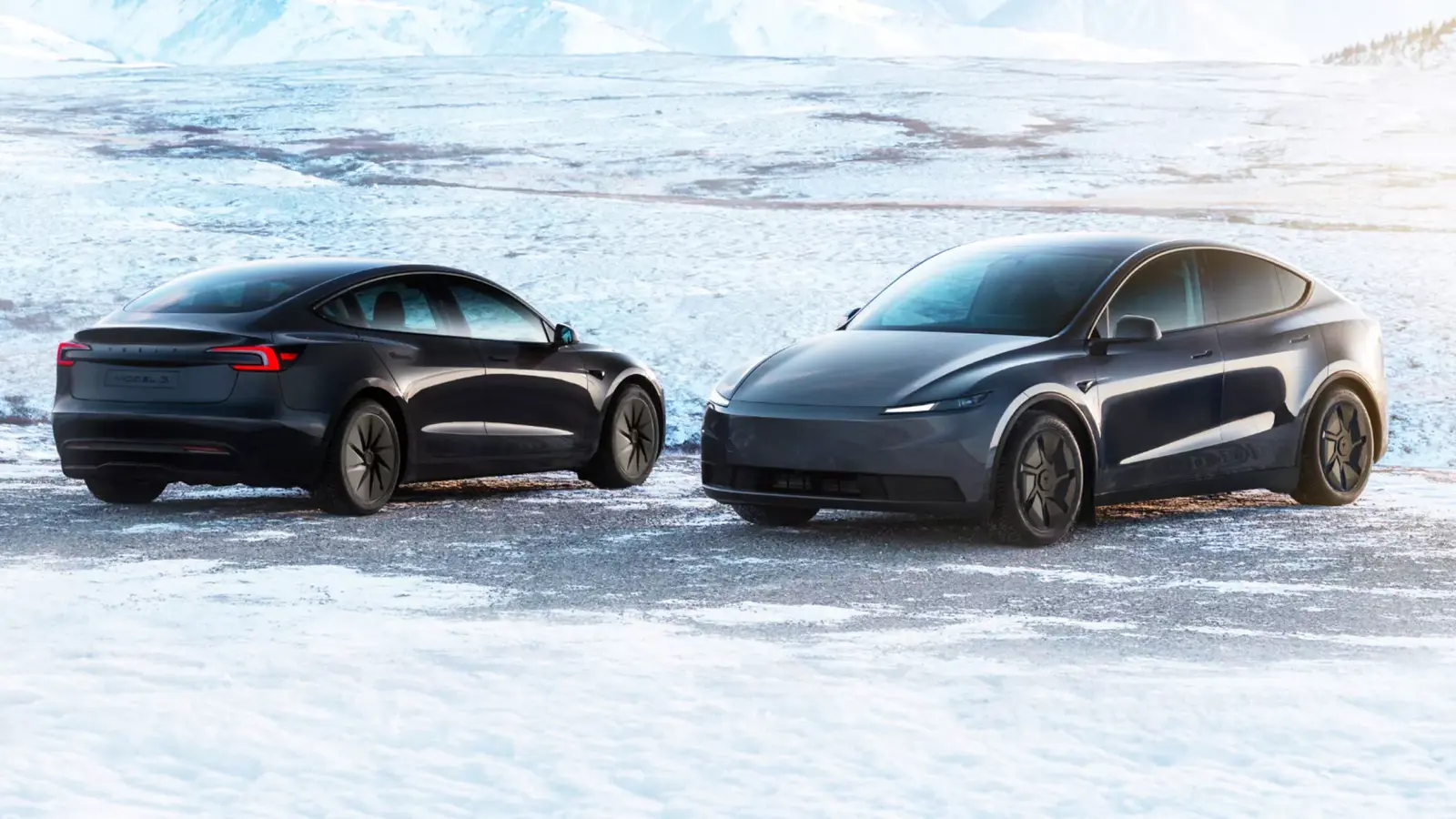
The sales mix was no surprise. Model 3 and Model Y once again carried the business, accounting for 341,893 deliveries. The remaining 16,130 units included the Cybertruck, Semi, and the Model S and Model X, both of which are now being phased out of Tesla’s mainstream volume story.
The message from the quarter is hard to miss. Tesla is still moving a huge number of vehicles, but the company no longer has the easy rhythm it enjoyed when demand, production and investor expectations all seemed to move in lockstep. For now, the gap is the story.

“I cover automotive innovation, electric vehicles, and the future of mobility — where technology meets sustainability.”

Discussion
Leave a Comment