
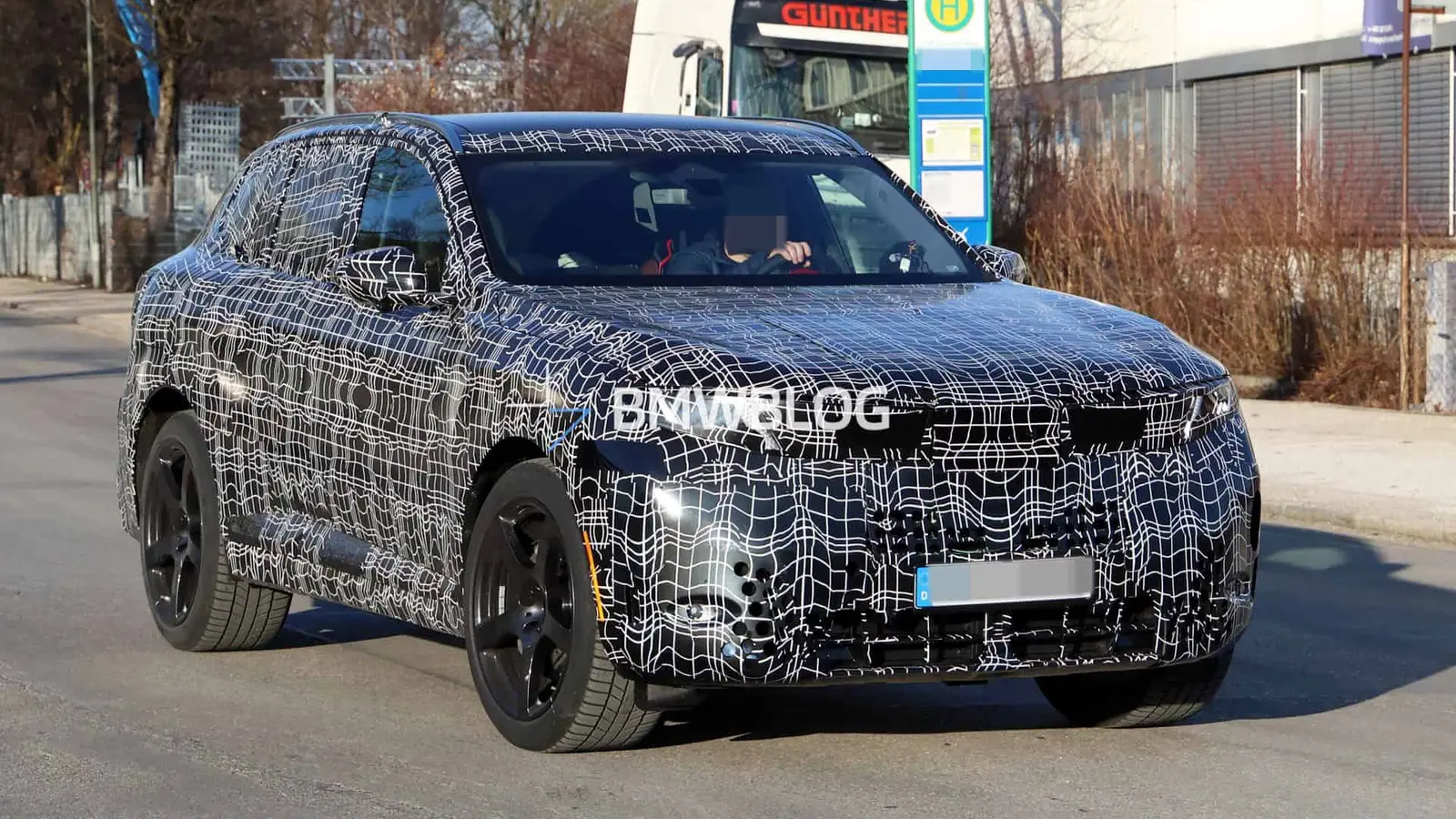
The next BMW X5 is barely over the horizon, but the real intrigue sits a little deeper in the lineup. While the fifth-generation SUV is set to debut this summer with familiar six-cylinder gasoline and diesel powertrains, plus plug-in hybrid and battery-electric variants, BMW is also preparing something far more dramatic for performance buyers.
An electric X5 M is reportedly on the way
According to a BMW insider posting on the Bimmer Post forums, a fully electric X5 M, known internally as the G95, is now just two years from production. The report claims BMW plans to begin building the EV version in April 2028 at its Spartanburg, South Carolina plant, where the brand intends to assemble six electric SUVs by the end of the decade.
That would place the X5 M right in the middle of BMW’s next big product wave. And it would not be a quiet arrival. The company appears to be laying the groundwork for a lineup that gives customers a real choice between traditional muscle and electric speed, rather than forcing one future on everyone.
There is also a strong expectation that BMW will keep a gasoline-powered X5 M in the mix. The likely candidate is the twin-turbocharged 4.4-liter V8, probably the S68 unit, possibly supported by mild-hybrid technology. That engine could also underpin a detuned M Performance version, giving BMW another way to keep the performance SUV story alive.
Europe, though, could complicate the picture. Stricter emissions rules continue to make life harder for big-displacement performance engines, and BMW has already been forced to soften the blow in models such as the M5 and XM. Whether an eight-cylinder X5 M will be sold across the continent remains uncertain. The plug-in hybrid X5 M60e, by contrast, looks far more likely to win regulatory approval thanks to its six-cylinder setup and improved efficiency.
One platform, two very different personalities
If the rumors prove correct, the next X5 could become a milestone for BMW M. It may be the first M model to offer both electric and gasoline-powered versions on the same CLAR architecture. That would be a notable contrast to the upcoming M3 family, where the combustion and electric sedans are expected to ride on different platforms altogether.
The X5’s shared architecture would give BMW a cleaner path to scale both technologies under one roof. It is a practical solution, but also a revealing one. The brand seems determined to keep its most important performance badges relevant, even as regulations, battery technology, and customer expectations pull in different directions.
The next X6 M could follow the same formula. A new-generation X6 is not due until mid-2028, which means the full-fat M variants would likely arrive later, probably not before 2029. Still, the strategy is easy to read: BMW is building a future where V8s, plug-in hybrids, and EVs can all coexist in the same showroom.
That is a complicated juggling act, no question. But for buyers, it is hard to argue with the result. If you want brute-force combustion, a cleaner plug-in option, or a high-performance electric SUV, BMW M appears ready to cover the whole spectrum.

“I cover automotive innovation, electric vehicles, and the future of mobility — where technology meets sustainability.”

Discussion
Leave a Comment