
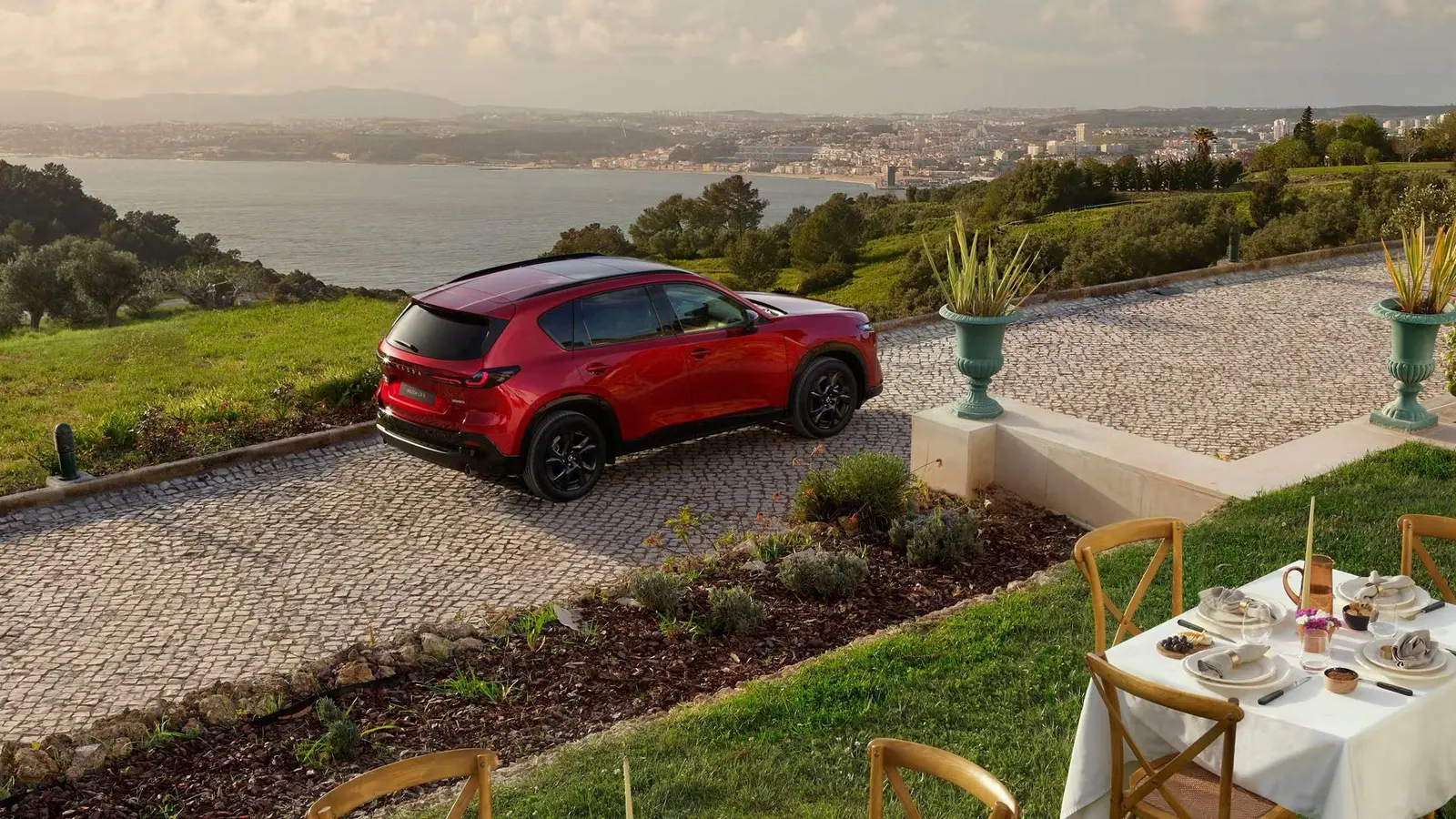
Luxury SUVs used to own the conversation about long-term satisfaction. If you wanted comfort, reliability, and a sense that your money had been well spent, Lexus was the name that usually came up first. Quietly, though, the Mazda CX-5 has been rewriting that script.
It does not shout for attention. It does not rely on gimmicks. Yet the CX-5 keeps showing up in the places that matter most to owners: dependable performance, a cabin that feels more expensive than it is, and the kind of driving manners that make everyday errands feel a little less ordinary.

A mainstream SUV with luxury-like staying power
For a long time, owner satisfaction in the SUV world was almost synonymous with premium badges. That is changing. Buyers are looking harder at the total ownership experience now, and they care less about status than they do about peace of mind. Low maintenance costs, durability, and long-term comfort are the real currency.
The Mazda CX-5 fits that mindset perfectly. It has built a reputation not by chasing trends, but by getting the fundamentals right. And that is often what keeps owners coming back.
Under the hood, Mazda keeps things familiar in the best possible way. The standard 2.5-liter four-cylinder produces 187 horsepower and 186 lb-ft of torque, while the turbocharged version lifts output to 256 horsepower and 320 lb-ft when running on premium fuel. Both are paired with a six-speed automatic, a setup that feels refreshingly straightforward in a market crowded with CVTs.

That choice matters. The transmission shifts cleanly, the power delivery feels natural, and the whole SUV behaves with a level of predictability that drivers tend to trust. Over time, that trust becomes one of the strongest reasons people hold on to a vehicle.
Inside, the CX-5 makes a stronger impression than many rivals costing far more. The cabin design is tidy and driver-focused, with soft-touch materials, available leather upholstery, and a level of fit and finish that gives it a premium feel without trying too hard. It is not flashy. It is better than flashy.
Road and wind noise are kept in check, the seats are supportive, and the steering is sharp in a way that makes the CX-5 feel smaller and more agile than its compact SUV shape suggests. Mazda has always understood that refinement is not just about what you see. It is also about what you hear, feel, and do not have to think about.
That philosophy shows up in the ownership numbers too. The CX-5 scores well in reliability surveys, with J.D. Power placing it in the great category and iSeeCars giving it a 7.9 out of 10. The same analysis predicts an average lifespan of 14 years or 164,000 miles, along with a 22 percent chance of reaching 200,000 miles.

The running costs are another reason owners stay loyal. RepairPal estimates annual maintenance at just $447, while CarEdge puts 10-year ownership costs at around $7,906. Even better, the CX-5 has no reported recalls from the NHTSA in the data referenced here. That is the sort of detail that quietly builds confidence.
Then there is the way it drives. Plenty of compact SUVs do the practical thing well enough, but few make the daily commute feel genuinely enjoyable. The CX-5 does. Its chassis feels balanced, the steering is precise, and the ride manages to be comfortable without going soft. It has more in common with a sporty sedan than a typical crossover.
That blend of qualities is exactly why so many owners keep theirs longer than expected. When a vehicle is reliable, pleasant to drive, and easy to live with, trading it in starts to feel like a downgrade rather than an upgrade.
The comparison with Lexus is not as far-fetched as it sounds. Lexus still sets the benchmark in many ownership categories, but the CX-5 comes surprisingly close in the areas that matter most to real buyers. Comfort is excellent, the cabin feels upscale, and the day-to-day experience is calm and uncomplicated.

Even the infotainment approach feels thoughtful. Instead of overwhelming drivers with endless menus and distracting touch-heavy controls, Mazda uses a rotary controller and keeps essential physical buttons within easy reach. It is a practical setup, and practical often ages better than trendy.
That is the CX-5’s real advantage. It delivers a near-premium experience without the premium headaches. It costs less to buy, less to maintain, and less to worry about, yet still feels polished enough to stand beside far more expensive rivals.
The Mazda CX-5 proves that you do not need a luxury badge to get luxury-like satisfaction.
Standard all-wheel drive adds another layer of confidence, and a solid safety package helps round out the appeal. The result is an SUV that feels well judged from every angle, never overreaching, never cutting corners.
That balance is why the CX-5 continues to stand out. It does not try to win every argument. It just quietly wins the ownership experience. And for many drivers, that is the only victory that really matters.

“I cover automotive innovation, electric vehicles, and the future of mobility — where technology meets sustainability.”

Discussion
Leave a Comment