
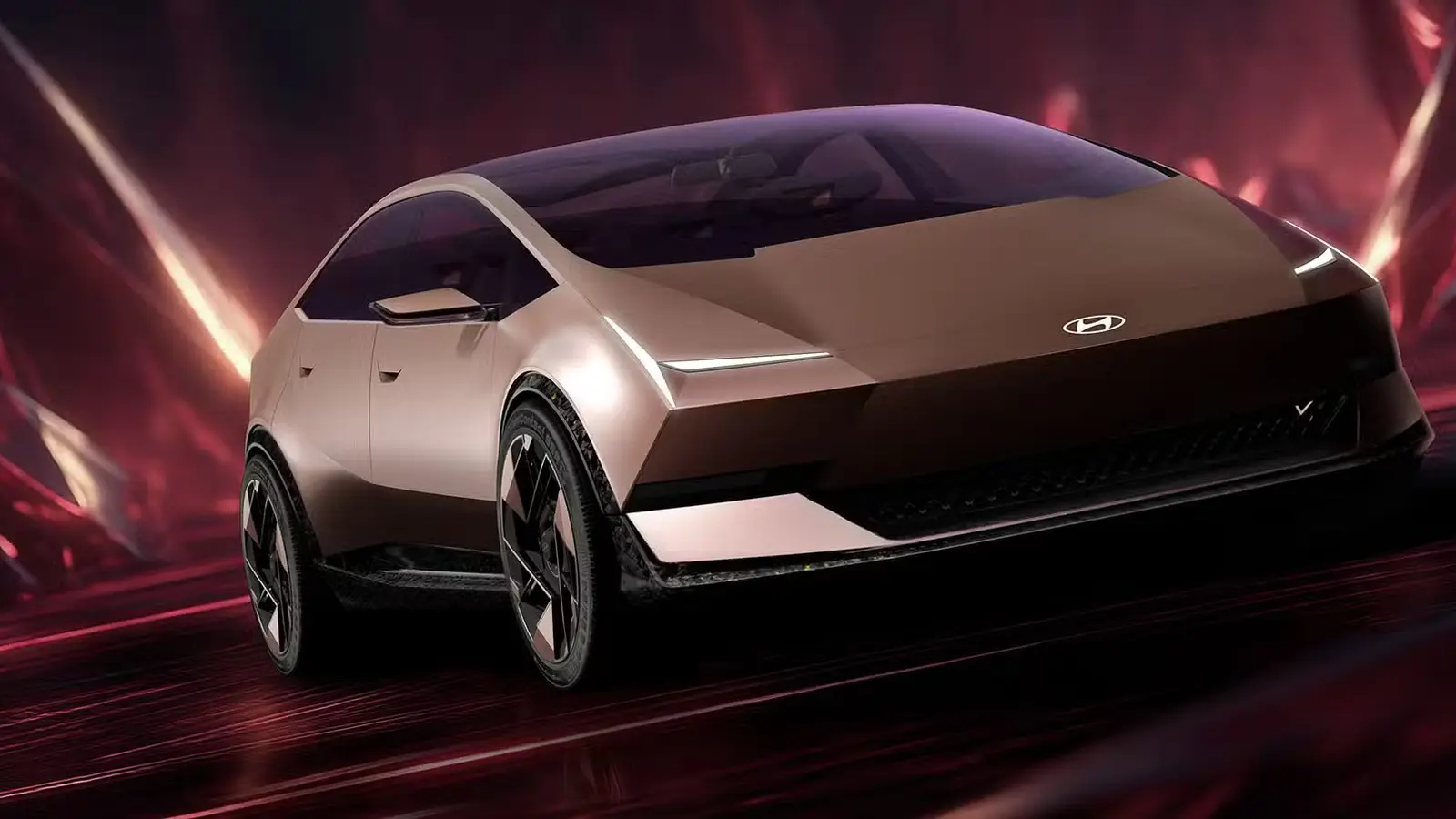
Hyundai has just drawn a new line in the sand for its electric ambitions in China. The company’s Ioniq brand has officially landed in the market with a dedicated ecosystem called Ioniq Universe, and it is not coming quietly. Two global debut concepts, the Venus Concept and Earth Concept, arrived alongside the announcement, giving a first taste of how Hyundai wants to speak to Chinese EV buyers.
That message is clear enough. China is not being treated as a side project. Hyundai is building a China-specific strategy around electrification, local intelligence, and a new naming philosophy that ties future Ioniq models to the planets orbiting the Sun. In this case, Chinese customers are placed at the centre of the universe, and every product is meant to revolve around them.
A China-first electric plan with real ambition
At the upcoming Beijing Auto Show 2026, Ioniq is expected to reveal its first mass-production model developed specifically for China. After that, the roadmap becomes even more aggressive. Over the next three years, the brand plans to launch a full range of battery electric and extended-range electric vehicles, aimed at the mid-to-large segment with both SUV and coupe body styles.

This matters. A lot. China’s EV market moves fast, and it rewards brands that understand local taste, software expectations, and daily usability. Hyundai appears to know it cannot simply export a global formula and hope for the best. Ioniq Universe is the answer to that challenge, at least on paper.
The brand itself is no newcomer to electrification. Since the first Ioniq arrived in 2016, Hyundai has pushed the nameplate forward on the back of its dedicated electric platform strategy. Today, the lineup includes the Ioniq 5, Ioniq 6, and Ioniq 9, all based on Hyundai Motor Group’s E-GMP architecture. Across global markets, the Ioniq series has surpassed 550,000 cumulative sales, which gives the brand a solid foundation as it enters a far tougher battleground.

Venus and Earth, two very different moods
The first two concept vehicles revealed under Ioniq Universe are more than design exercises. They are meant to signal where the brand is heading in China, both in style and in product positioning.

The Venus Concept goes for emotion and movement. Its gold body, single-curve silhouette, lightweight frame-style roof, transparent spoiler, and racing-style centre-lock forged wheels give it a dramatic, almost theatrical presence. The V-shaped lighting signature, floating transparent mirrors, and brake discs inspired by the Golden Record add a futuristic edge without losing visual warmth. Inside, crystal-like ambient lighting and halo illumination create a cockpit that feels more like a lounge on the move, while the sculpted Venus Curve seats mix comfort with a sharper, sportier attitude.
The Earth Concept takes the opposite path. Where Venus leans into flair, Earth is all about strength and everyday toughness. Its Aurora Shield paint finish, integrated body shape, and crystal-textured lines are inspired by geological forms, while the sharp gradient lighting details quietly reinforce Hyundai’s branding. Roof rails and hidden dual-opening doors make it easier to imagine as a practical family-focused EV, not just a showpiece. Inside, the Little Earth cabin concept and Air design system aim to create a calm, protective environment, with Air-hug seats designed to keep passengers comfortable across different ages and seating positions.

Both concepts feel deliberately tailored, and that is exactly the point. Hyundai is not trying to impress every market at once. It is trying to build a sharper identity for China, one that blends visual storytelling with a more local understanding of what EV buyers actually want.
There is also a serious technology story behind the styling. Hyundai has partnered with Momenta to develop an AI-based autonomous driving system tuned for Chinese roads and traffic conditions. That local data angle is crucial, because driver-assistance systems that work well in one region often need major adaptation in another. Hyundai is also planning to bring extended-range electric technology into the mix, combining its combustion-engine know-how with electrification to ease range anxiety for buyers who are not ready to go fully battery-electric.
In short, Hyundai is making a calculated bet. The Ioniq name may already carry global credibility, but in China, credibility alone is not enough. The brand will need distinct products, smarter software, and a clearer emotional appeal. Venus and Earth suggest Hyundai understands the assignment. Now comes the hard part: turning concept-car promise into something Chinese buyers will actually want to park in their driveways.

“I cover automotive innovation, electric vehicles, and the future of mobility — where technology meets sustainability.”

Discussion
Leave a Comment