

5 Minutes
Netflix sends Hawkins out with a cinematic goodbye
Netflix has surprised fans by announcing that the final episode of Stranger Things season 5 will receive a limited theatrical run in North America at the same time it premieres on the streaming platform. The move turns a streaming event into a communal cinema experience: the finale will play in more than 350 theaters across the U.S. and Canada from December 31, 2025 through January 1, 2026, giving viewers a chance to say goodbye to Hawkins on a big screen with surround sound and an audience.
Release plan and episode rollout
Stranger Things 5 is being released in three instalments late in 2025. Part one—four episodes—arrives on November 26, 2025. Part two—three episodes—drops on December 25, 2025 (Christmas Day). The eighth and final episode will then premiere as part three on December 31, 2025. That final episode’s dual release—streaming and theatrical simultaneously—echoes a Day-and-Date release strategy, but it’s notable for being the first time Netflix has matched a global streaming debut with a theatre screening of a single episode.

Why this matters: context and industry trends
Theatre screenings for television finales aren’t unheard of. Netflix previously screened the final installment of Stranger Things season 4 in select cinemas, and HBO famously staged theatrical promotions around Game of Thrones episodes during the series’ DVD campaigns. What makes this announcement different is the synchronicity—simultaneous global streaming and theatrical exhibition—which signals Netflix’s growing willingness to blend distribution windows for tentpole properties.
This shift also undermines a long-held public stance from Netflix executives. Ted Sarandos once called theatrical exhibition a "largely obsolete model for most people," yet Netflix has softened its stance: limited cinema runs have been scheduled recently for projects like the animation K-Pop Demon Hunters, Frankenstein, Wake Up Dead Man: A Knives Out Mystery, and the Chronicles of Narnia adaptation. The company appears to be experimenting with hybrid release strategies that can add prestige, generate press, and create live communal moments for flagship titles.
Creative team, cast, and production notes
Creators Matt and Ross Duffer are back to close out the saga they began in Hawkins. The final season’s episodes are directed by a roster of filmmakers including the Duffers, Dan Trachtenberg, Frank Darabont, and Shawn Levy—names with deep genre and blockbuster pedigrees. The season’s ensemble reads like a who’s-who of modern TV and film: Millie Bobby Brown, David Harbour, Finn Wolfhard, Caleb McLaughlin, Noah Schnapp, Sadie Sink, Winona Ryder, Joe Keery, Maya Hawke, Charlie Heaton, Natalia Dyer, Cara Buono, and many more, with notable guest turns and returns.
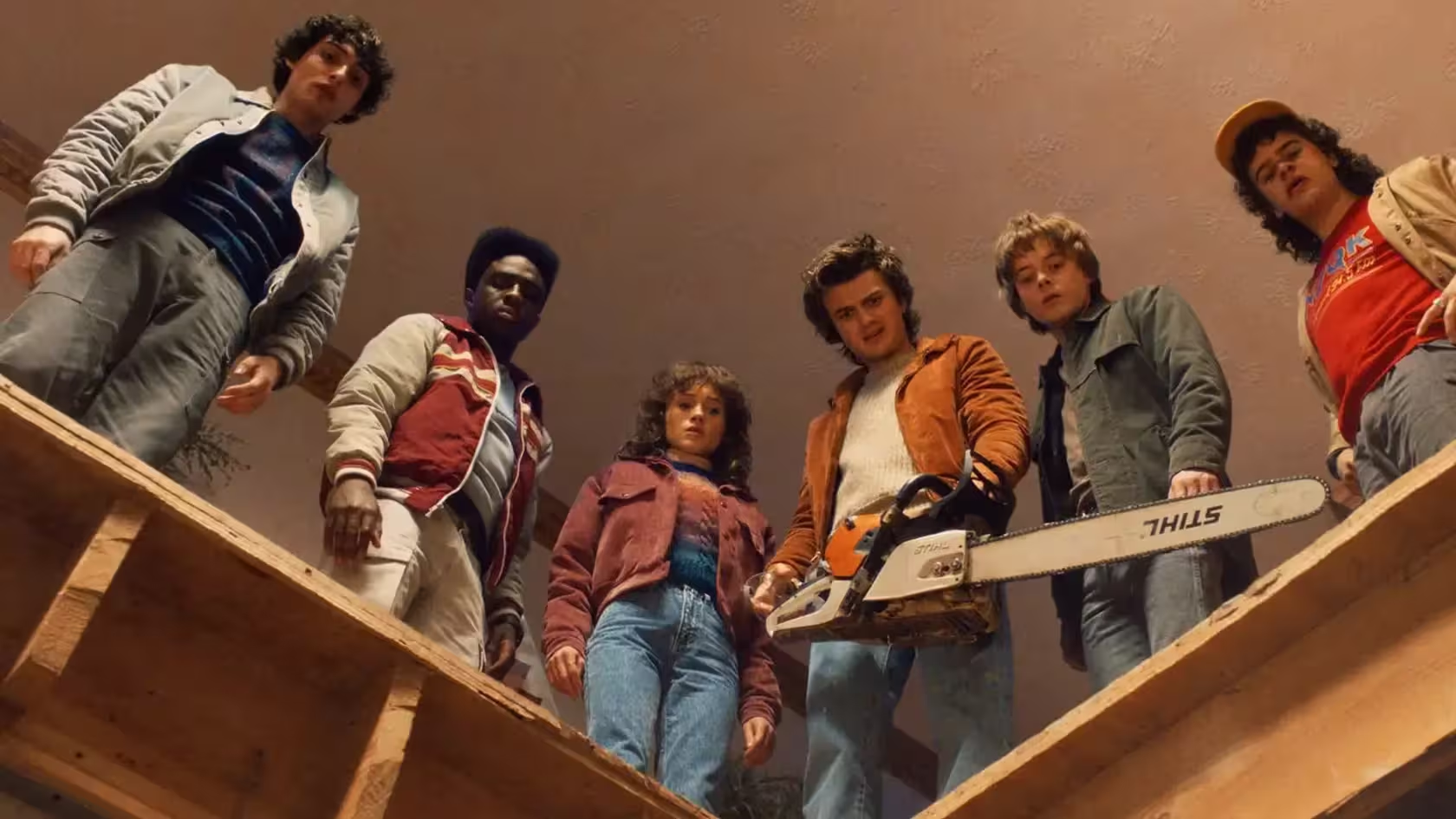
Behind the scenes trivia: Netflix’s earlier theatrical screenings of the S4 finale reportedly tested audience enthusiasm for communal viewings; returning fan demand and the emotional weight of a long-running series finale likely tipped the balance in favor of this theatrical experiment.
"Screening the finale in cinemas gives the episode ritual and scale," says cinema historian Marko Jensen. "For a show that defined binge culture, the theatrical event turns private fandom into public spectacle—it's a cultural punctuation mark."
Comparisons and critical perspective
Compared with other streaming-to-screen experiments, Stranger Things 5’s theatrical run is as much about fan service as it is strategic positioning. It recalls the studio-era model where finales and premieres were events, but adapted to 21st-century multiplatform marketing. Critics may argue this is an expensive nostalgia play; supporters will counter it restores a communal viewing ritual that streaming diluted.
Whether the theatrical release yields box office receipts or simply press momentum, it deepens the cultural footprint of Stranger Things. For cinephiles and series devotees alike, seeing the Upside Down unfold on a cinema screen promises an amplified emotional payoff that a living room can’t fully replicate.
In the end, whether you watch at home or in a theater, the final chapter will mark the end of an era for Hawkins—one that reshaped modern TV’s relationship with genre, nostalgia, and audience spectacle.



Leave a Comment