
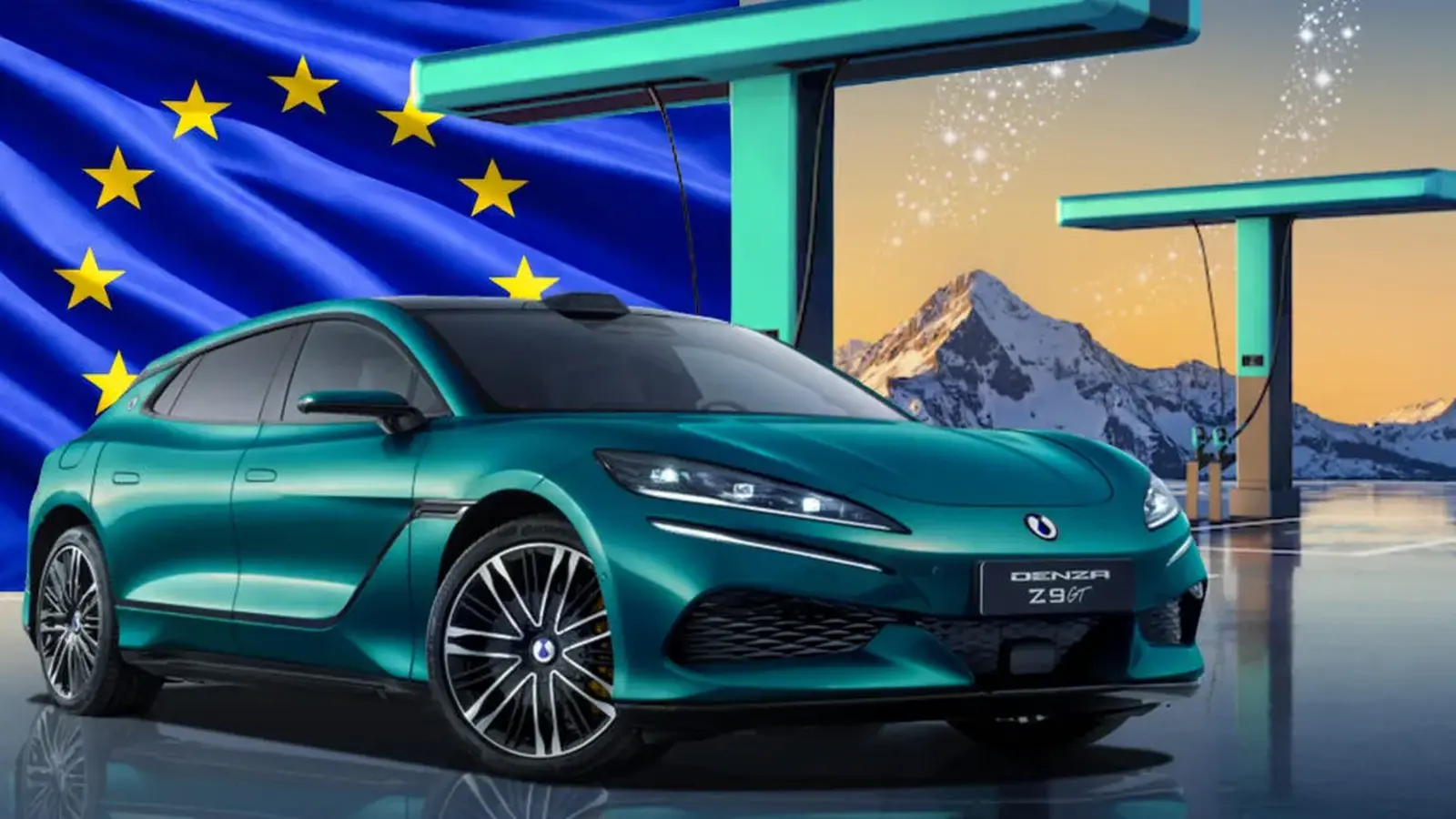
Europe’s public charging network is about to get a whole lot more aggressive. BYD has confirmed that its new megawatt-class Flash Charging technology is on the way, and this is not just another incremental step. We are talking about charging speeds that could make today’s quickest plugs look old-fashioned almost overnight.
Over the next 12 months, BYD plans to install 6,000 Flash Charging stations outside China, with 3,000 of them set for Europe. That scale alone is notable. The real shock, though, is the output. BYD says the system can deliver up to 1,500 kW, which would make it the fastest charging setup announced for Europe so far.
Not just for BYD drivers
There is a catch, and it is a pleasantly open one. These chargers are not being built as a private club for BYD owners. The stations will use CCS2 connectors and are expected to work with other brands too. That matters. A lot. It means the infrastructure could benefit a much wider slice of the EV market rather than sitting behind a brand badge.
BYD says its Denza dealers will get branded versions of the hardware, while public sites will carry the Flash name. The company also intends to partner with existing charging operators instead of starting from zero every time, which should help the rollout move faster than a fresh network built from scratch.
The numbers are the sort that make EV enthusiasts sit up straight. BYD claims compatible vehicles can go from 10 to 70 percent in just five minutes, or from 10 to 97 percent in nine minutes. That is less a charging stop and more a coffee break that barely has time to begin.
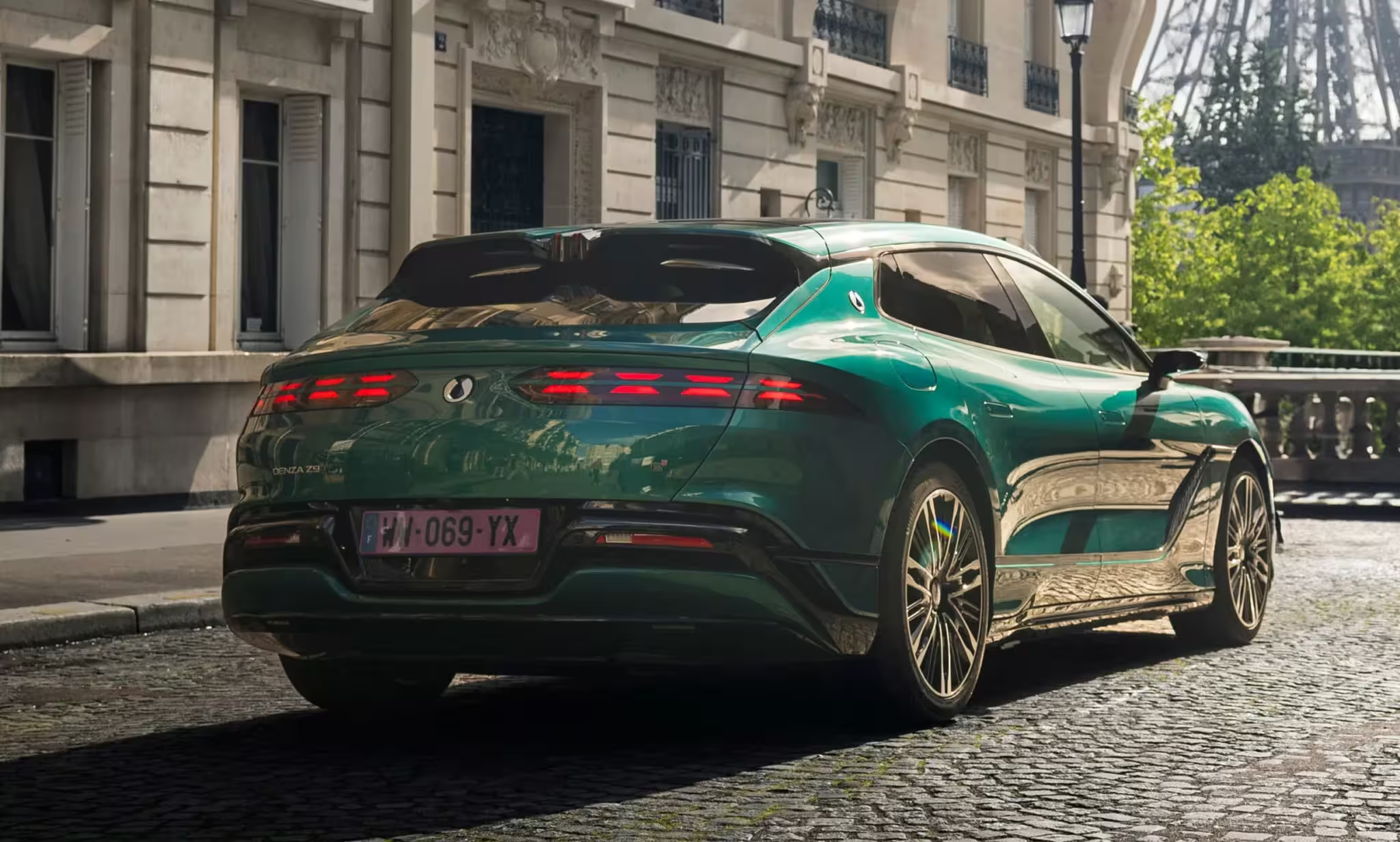
Denza is first in line
In Europe, the first cars set to showcase the tech are the Denza Z9GT and the D9 DM-i. The Z9GT is the attention-grabber, a tri-motor electric shooting brake with a 123 kWh battery and a claimed 0 to 62 mph time of 2.7 seconds. It is the kind of car that looks built to dominate both a parking lot and a drag strip.
The D9 DM-i takes a different route, but it is just as interesting. This large plug-in hybrid minivan has a 58.5 kWh battery and can reportedly accept charging at up to 559 kW. That allows the same five-minute jump from 10 to 70 percent and the same nine-minute stretch to 97 percent. For a seven-seat MPV with 130 miles of electric range and a total range of 590 miles when fully fueled, that is a serious real-world advantage.
It also highlights just how uneven the plug-in hybrid landscape still is. While some rivals still cannot take DC charging at all, BYD is pushing PHEVs into a much faster and more practical space.
Of course, BYD is not alone in this race. Geely recently claimed its latest charging tech and Golden Brick battery setup can go even quicker. The message from China’s EV giants is hard to miss: charging speed is now one of the fiercest battlegrounds in the car industry.

BMW, however, is not rushing to cheer from the sidelines. Markus Fallböhmer, the company’s battery production chief, recently warned that big charging claims should be treated carefully. His point was simple enough. You can chase one headline figure, but something else usually pays the price, whether that is battery life, durability, or long-term performance.
And that is really the tension here. Megawatt charging sounds thrilling, and in the right conditions it could transform long-distance EV travel. But the industry still has to prove that those speeds can be delivered consistently, safely, and without wearing batteries down too quickly. Fast is good. Reliable is better.

“Cars are evolving faster than ever. I cover electric vehicles, smart mobility, and the future of transportation worldwide.”

Discussion
Leave a Comment