
Electric cars are getting cheaper, but the real story is what it’s costing automakers to make that happen. In the latest market snapshot, EV transaction prices slipped again, while manufacturers leaned harder on incentives to keep buyers from walking away.
The average new EV sold for $54,508 in March, down 2.8 percent from a year earlier and marking the third straight monthly decline, according to Cox Automotive’s Kelley Blue Book. The gap between electric and gas-powered vehicles has now narrowed to its smallest level on record. It still isn’t tiny at about $5,800, but for shoppers who drive a lot, the math is starting to look far less intimidating once fuel savings enter the picture.
That lower sticker price, though, is not a sign of generosity. Automakers are effectively paying for the privilege of moving EVs, with discounts averaging 14.6 percent of transaction price. That is a hefty hit, and it shows how determined the industry is to keep electric models moving even as demand normalizes.
Gas Cars Hold Their Ground
While EV prices are slipping, gasoline and hybrid models are not exactly following the same path. The industry-wide average transaction price landed at $49,275 in March, up 3.5 percent from last year and nearly unchanged from February. In other words, the old-school side of the market is staying stubbornly expensive.
MSRPs are still climbing too. The average sticker price reached $51,456, extending its run above the $50,000 mark to 12 consecutive months. The market may be cooling in places, but the overall price level remains high.
A lot of that comes down to what Americans actually want to buy. Bigger vehicles still rule the lot, and they are not cheap. Full-size pickups are hovering around $66,000, while full-size SUVs are pushing close to $80,000. Buyers keep reaching for more metal, more space, and more image, and manufacturers are happy to oblige.
Compact cars, by contrast, are barely making a dent. They rose just 1.1 percent year over year and are still sitting below $28,000. Affordable? Yes. Popular? Not nearly enough to shift the market.
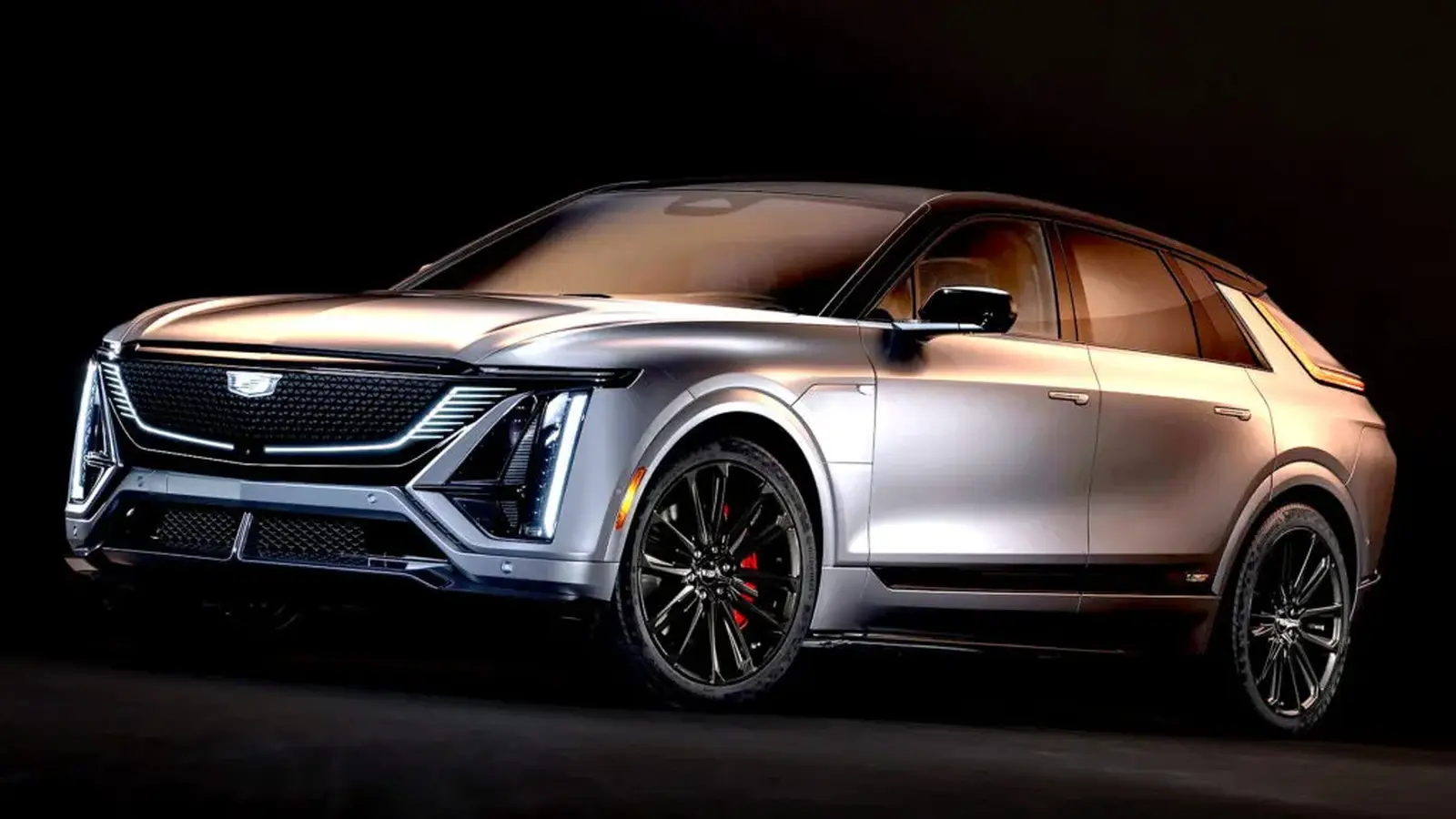
The brand-level numbers make the picture even more interesting. Porsche buyers continue to defy gravity, with average transaction prices jumping 12.4 percent year over year to $128,447. Cadillac is having a strong run too, up 11.6 percent to $84,139. At the premium end, there is still plenty of appetite for expensive metal.
Not every brand is basking in that glow. Mercedes-Benz prices fell 3.4 percent to $75,886, while Tesla dropped 2.6 percent to $53,142 as it kept trimming prices to stay sharp in a crowded EV field. The wider market is also leaning on incentives more heavily, which climbed to 7.2 percent of average transaction price from 6.9 percent in February. That may not sound dramatic, but in this business, small moves can mean big money.
The takeaway is simple. EVs are becoming easier to buy, but not because the industry has suddenly grown charitable. Automakers are absorbing real costs to keep electric cars competitive, and the pressure is likely to stick around as long as shoppers keep comparing EVs with increasingly expensive gasoline vehicles.

“I cover automotive innovation, electric vehicles, and the future of mobility — where technology meets sustainability.”

Discussion
Leave a Comment