
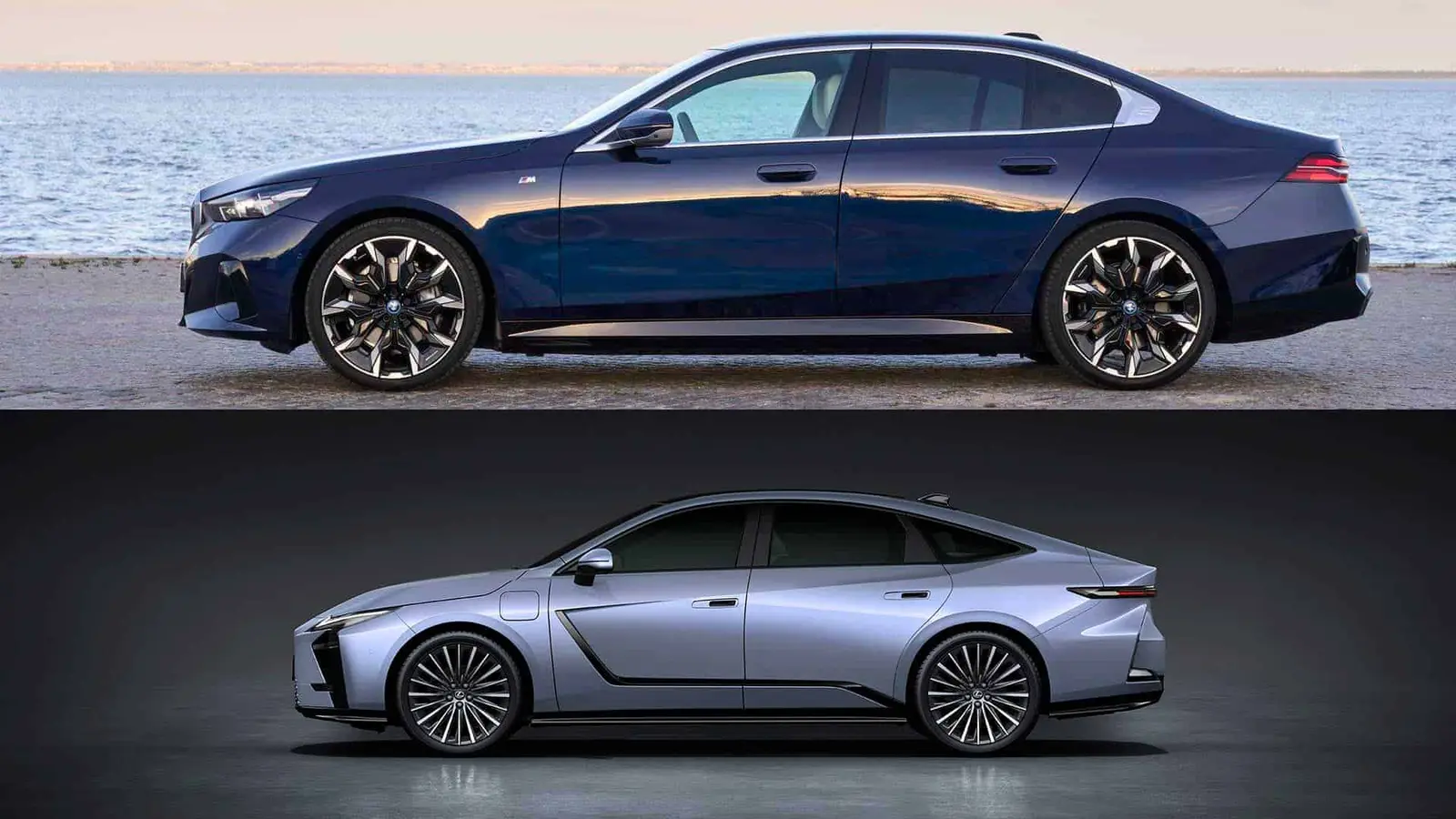
BMW may still be sitting at the top of the U.S. luxury sales chart, but the margin is slim enough to make everyone in Munich and Nagoya keep a close eye on the next quarter. After the first three months of 2026, BMW led Lexus by just 3,274 vehicles. That is not a cushion. That is a warning sign.
BMW delivered 84,231 vehicles from January through March, a 3.9 percent decline from a year earlier. Lexus followed with 80,952 sales, down 2.5 percent. On paper, both brands slipped. In reality, the reasons behind those drops point in very different directions.
SUVs are keeping BMW in the game
BMW’s SUV lineup is doing the heavy lifting. The X3 jumped 58 percent, while the X5 climbed 7.1 percent to 18,680 units. Those gains helped offset a steep 17.3 percent drop in BMW’s car lineup, which is still feeling the pressure as buyers wait for new generations to arrive.
The 3 Series managed a 10.2 percent increase to 8,189 sales, helped in part by shoppers moving quickly before the next redesign lands for 2027. The 8 Series, now nearing the end of its run, also got a late surge, outselling its entire 2025 quarterly total as buyers rushed in for one last shot.
Electrified BMW models told a less flattering story. Sales fell 50 percent year over year after the Trump administration removed federal EV incentives, a shift that clearly hit plug-in demand.
Lexus is leaning harder into electrification
Lexus is navigating a different transition. The ES, long the brand’s volume anchor, dropped sharply to just 3,044 units as the redesigned 2026 model begins reaching dealerships. The electric version is arriving first, with the hybrid due in late June. That timing temporarily dragged down ES numbers, but it also hints at the scale of change underway.
While the sedan stumbled, Lexus electric and hybrid models kept moving. The RZ electric crossover tripled its sales to 4,456 units, setting a new record, while the NX Plug-in Hybrid reached 3,229 units, also a best-ever result. In total, Lexus sold 34,907 electrified vehicles, accounting for nearly 43 percent of its quarterly sales.
The next three months could decide the shape of this rivalry. BMW needs its SUV strength to hold firm while its model line updates and electrified sales find a new baseline without government support. Lexus, meanwhile, has a different challenge: turning the new ES launch into real momentum and proving that its growing EV credibility can pull in buyers who might otherwise shop elsewhere.
For now, BMW leads. But the race is anything but settled.

“I cover automotive innovation, electric vehicles, and the future of mobility — where technology meets sustainability.”

Discussion
Leave a Comment