
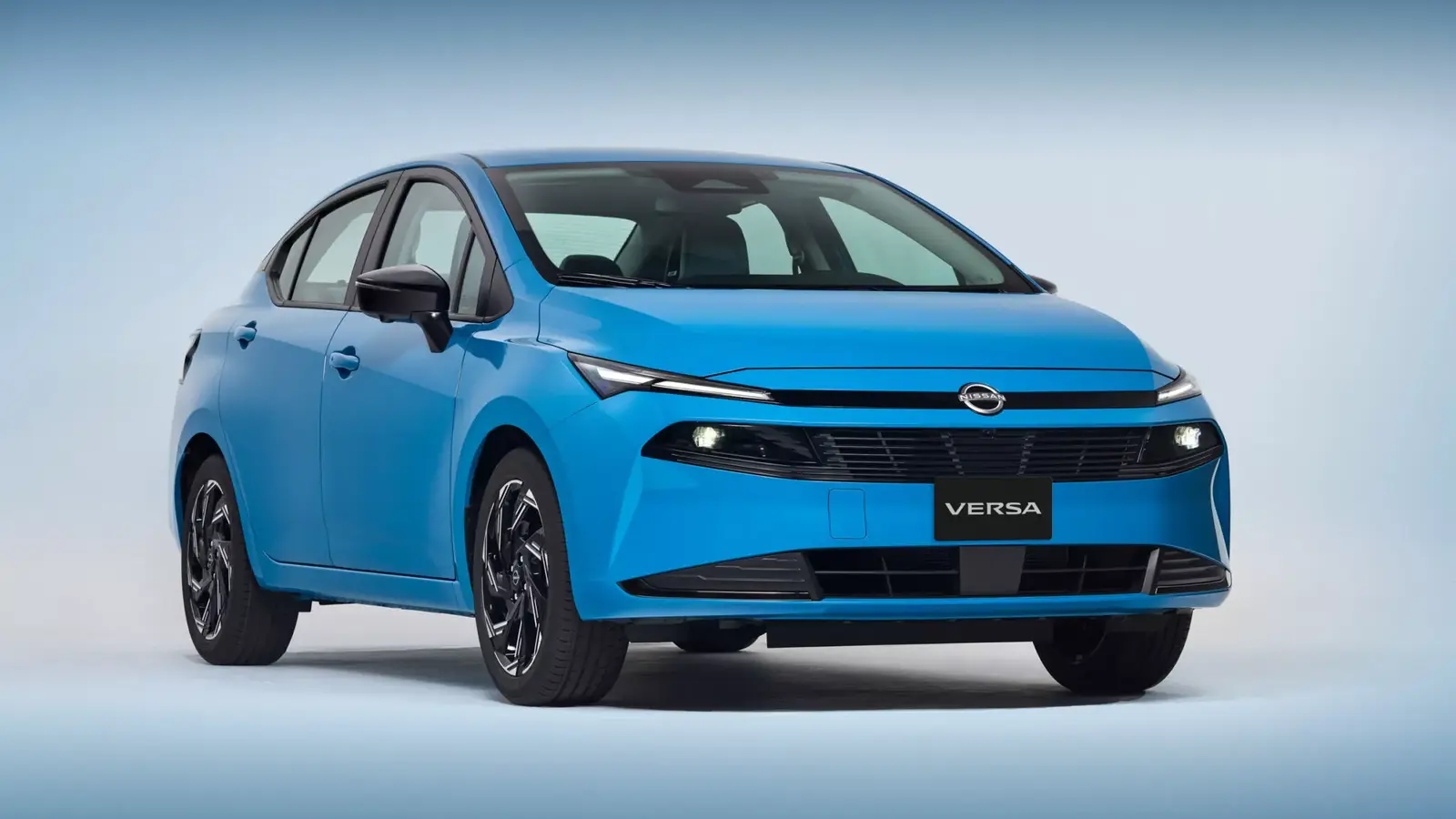
Nissan says the demand is still there. Cheap cars, the kind that once filled dealership lots and quietly won over first-time buyers, still have an audience. The problem is that building them in today’s market is a lot less straightforward than it used to be.
That is the reality Nissan CEO Ivan Espinosa laid out as the company sketched the next phase of its comeback plan, one that leans heavily on a broader mix of ICE, hybrid, and electric models, with artificial intelligence also playing a bigger role behind the scenes. Fresh versions of the Rogue and Juke are part of that roadmap, and some of the brand’s future products are expected to move further upmarket. Even so, Nissan insists it has not abandoned the affordable end of the market.
The catch is simple. Making ultra-low-cost cars work in the current climate is hard, and tariffs are a big reason why.

The cheap-car case still exists
Espinosa pointed to models like the old $18,000 Versa as proof that there is still a real appetite for budget-friendly transportation. The car was discontinued in the United States in 2025, even though Nissan has since introduced a new Mexico-built Versa. That version, however, will stay out of the American market.
Speaking to Motor1 during the presentation of Nissan’s turnaround strategy, Espinosa made it clear that the issue is not demand. It is cost. “I think there is [a market for ultra-affordable cars], and we still see the demand,” he said. “But what’s making it very difficult is the context; there was a question about tariffs earlier. There’s demand, the question is how to get to the right price.”
And that is the whole story in a nutshell. Buyers want smaller, cheaper cars. Manufacturers want to sell them. But when import costs, trade rules, and production economics collide, the math gets ugly fast.
The sedans that once formed the backbone of many mainstream brands may be thinner on the ground now, but Espinosa believes they are not finished yet. Nissan has already ended U.S. production of the Maxima, the old Versa is gone, and the current Altima will soon follow. Even so, he sees room for more than just crossovers.
“I think there’s still space for sedans,” he said. “Sentra is a very good product, and it has also moved up. So it’s kind of playing in the lower area of what Altima used to be.”
That leaves Nissan searching for the right gap in the lineup, and perhaps the right price point. Espinosa suggested that something below the Kicks, or priced around that level, could make sense in the future. But the same obstacle keeps coming back: tariffs make a low-cost car program difficult to execute with any confidence.
For Nissan, the desire to serve budget-conscious buyers is real enough. The market is real too. What is missing, for now, is a clean path to profitability.

“Cars are evolving faster than ever. I cover electric vehicles, smart mobility, and the future of transportation worldwide.”

Discussion
Leave a Comment