
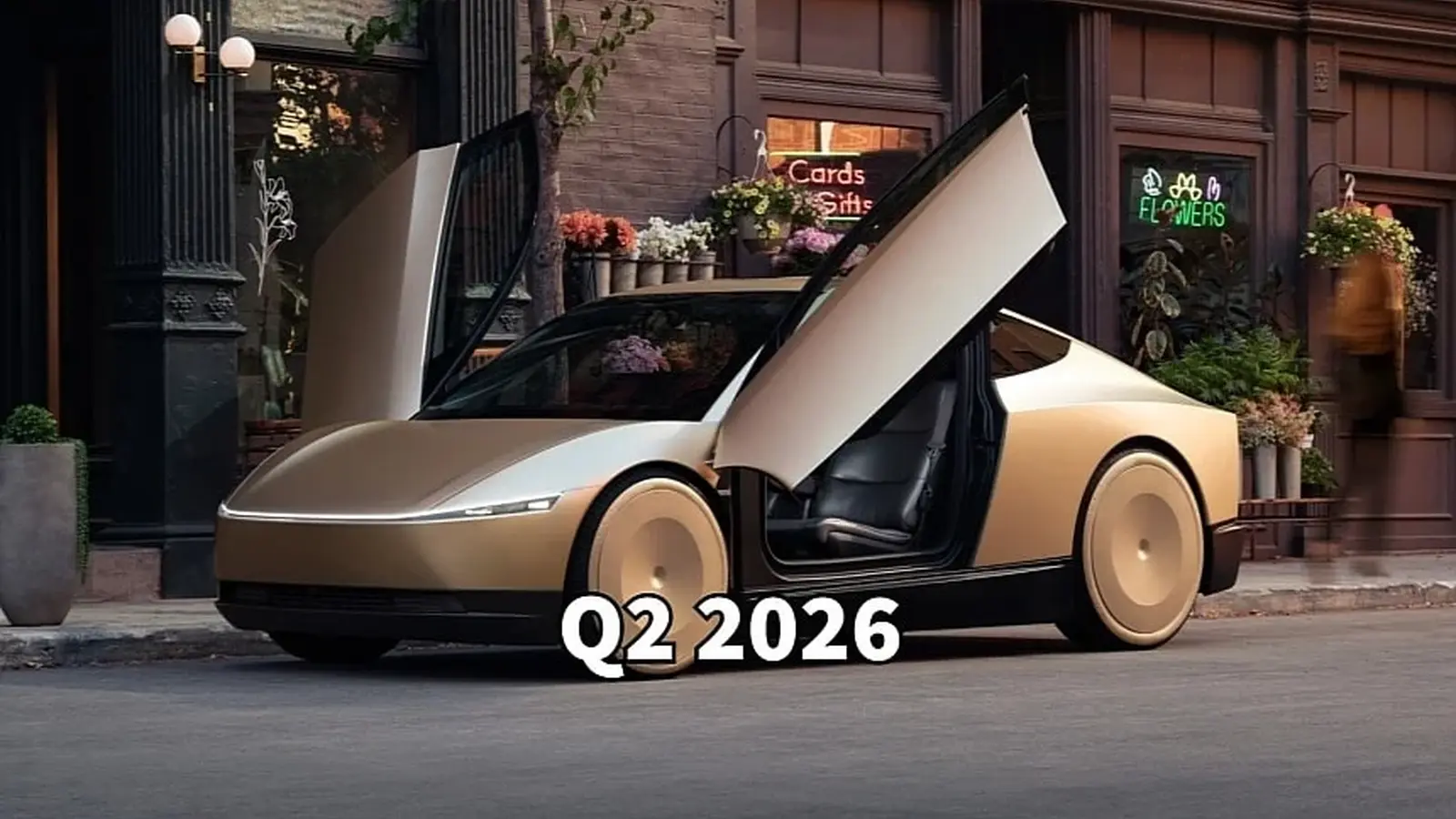
Cybercab production confirmed for Q2 2026 — but compact EV fans disappointed
Tesla has told investors that the long-promised Cybercab robotaxi is scheduled to enter production in the second quarter of 2026. The announcement, made during Tesla’s Q3 2025 earnings discussion, was the clearest vehicle-related update from the company — and also the only new car-related plan revealed. Notably absent from the call: any confirmation of a compact, consumer-facing EV built on the Cybercab’s architecture.
What Tesla actually discussed
The earnings call leaned heavily into software and autonomy: Full Self-Driving (FSD) development, the push for Unsupervised FSD, Tesla’s AI chips, Optimus robotics, and battery chemistry plans. Mentions of "vehicles" largely focused on autonomous capability and demand rather than new model launches. That narrow focus left many analysts and retail buyers wondering whether Tesla is banking its automotive future entirely on robotaxis.
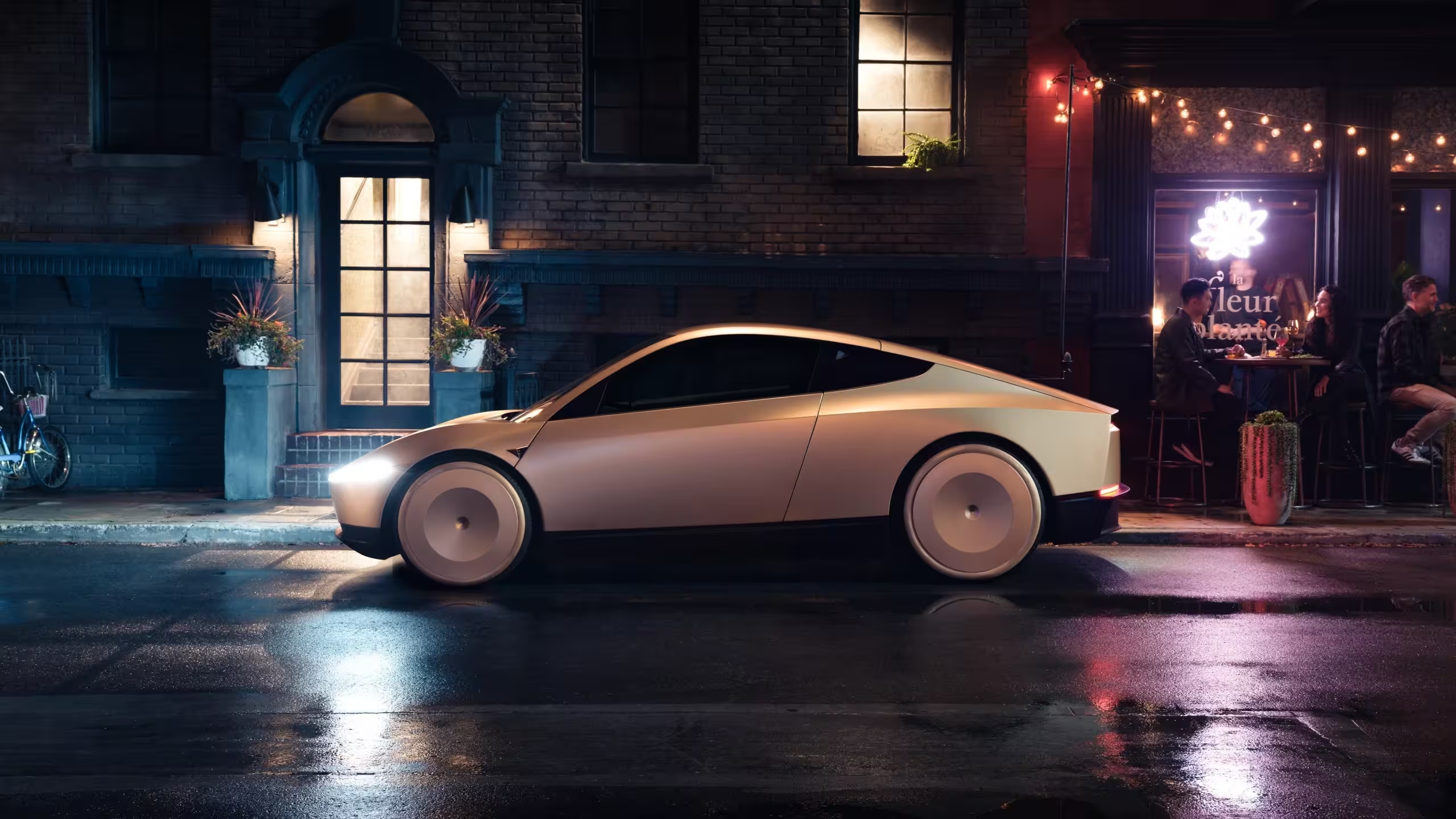
Investors tried to press the issue. A highly upvoted pre-submitted question asked whether Tesla planned compact EVs derived from the Cybercab platform or a more conventional SUV version based on the Cybertruck architecture. Investor relations declined to put the question directly to management, citing it as related to future products — even though much of the call revolved around future-oriented projects.
Why the Cybercab matters
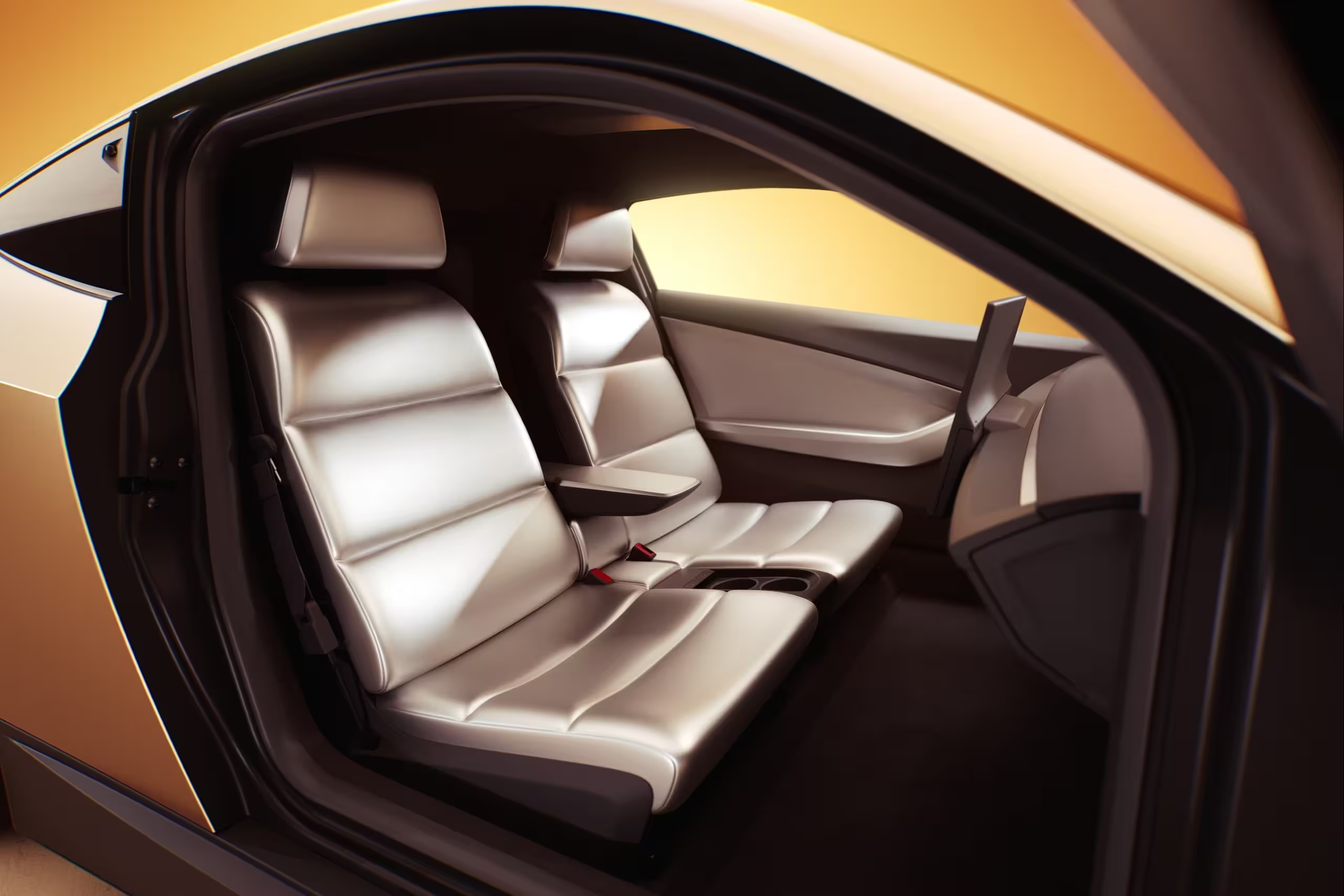
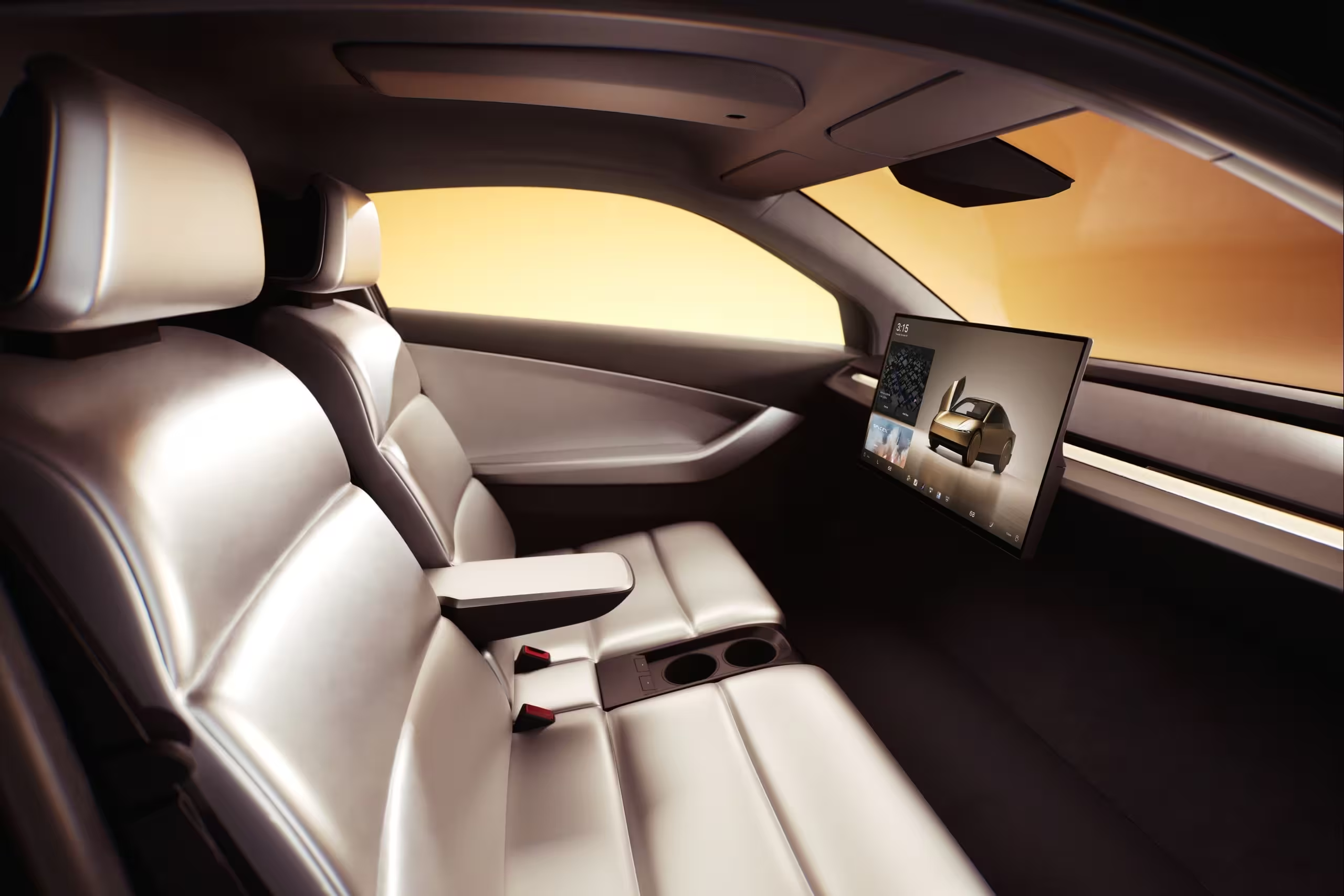
Tesla described the Cybercab as a purpose-built robotaxi: a vehicle designed specifically for ride-hailing without a steering wheel or pedals. That single-minded design suggests the platform has been optimized for cost, passenger space, and energy efficiency rather than driver engagement. Even if a steering wheel could be retrofitted, the vehicle would likely be a poor driver’s car.
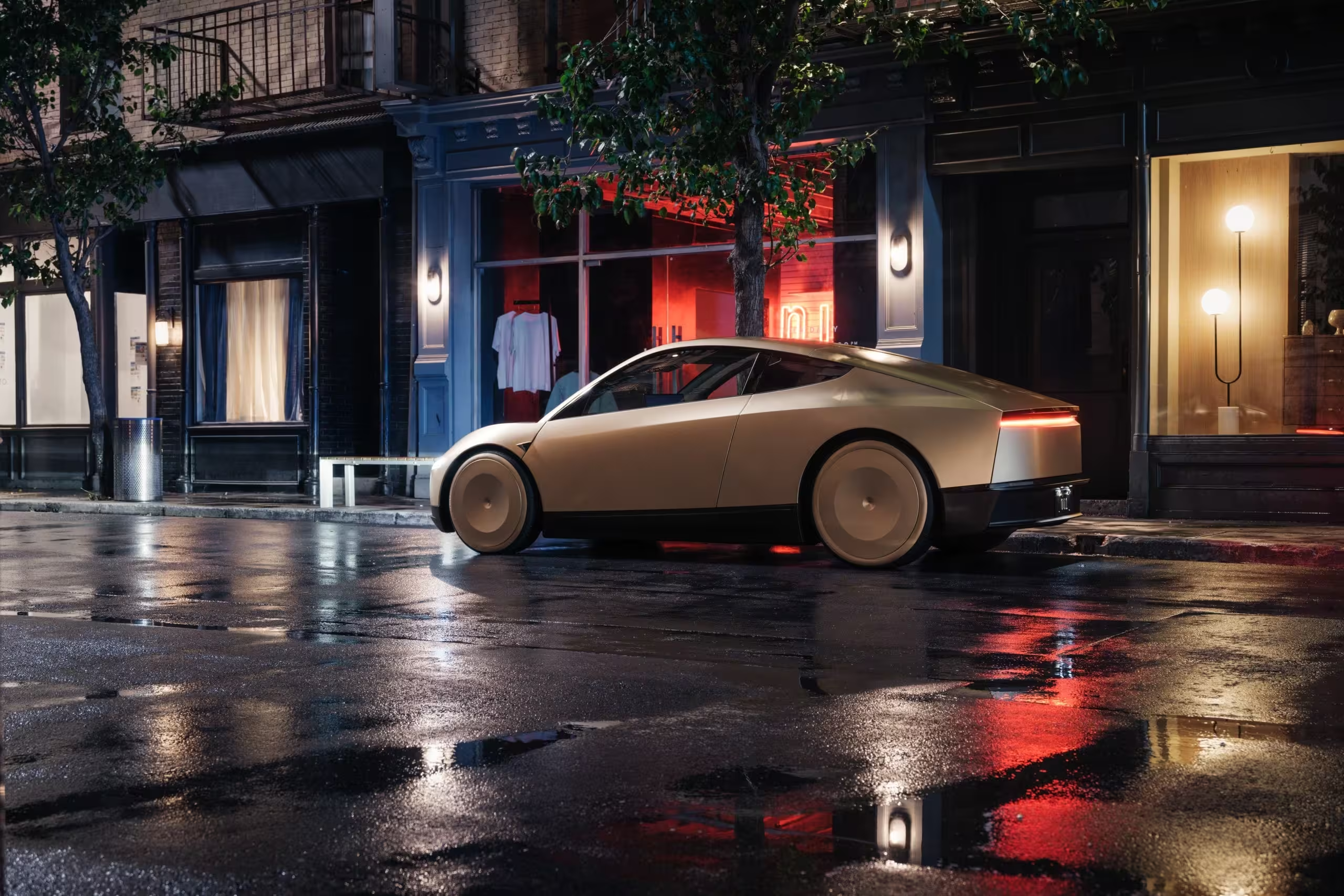
Key takeaways about the Cybercab:
- Production target: Q2 2026.
- Role: robotaxi deployment, designed for autonomous operation without manual controls.
- Purpose: increase utilization and lower per-mile costs in ride-hailing fleets.
Production targets and the gamble on autonomy
Elon Musk said he expects the Cybercab to be a high-volume model that could help raise Tesla’s annualized output to roughly 3 million vehicles by 2028. That target is ambitious: Tesla currently has capacity to build about 2.35 million cars but is operating at roughly 75% utilization amid softer demand.
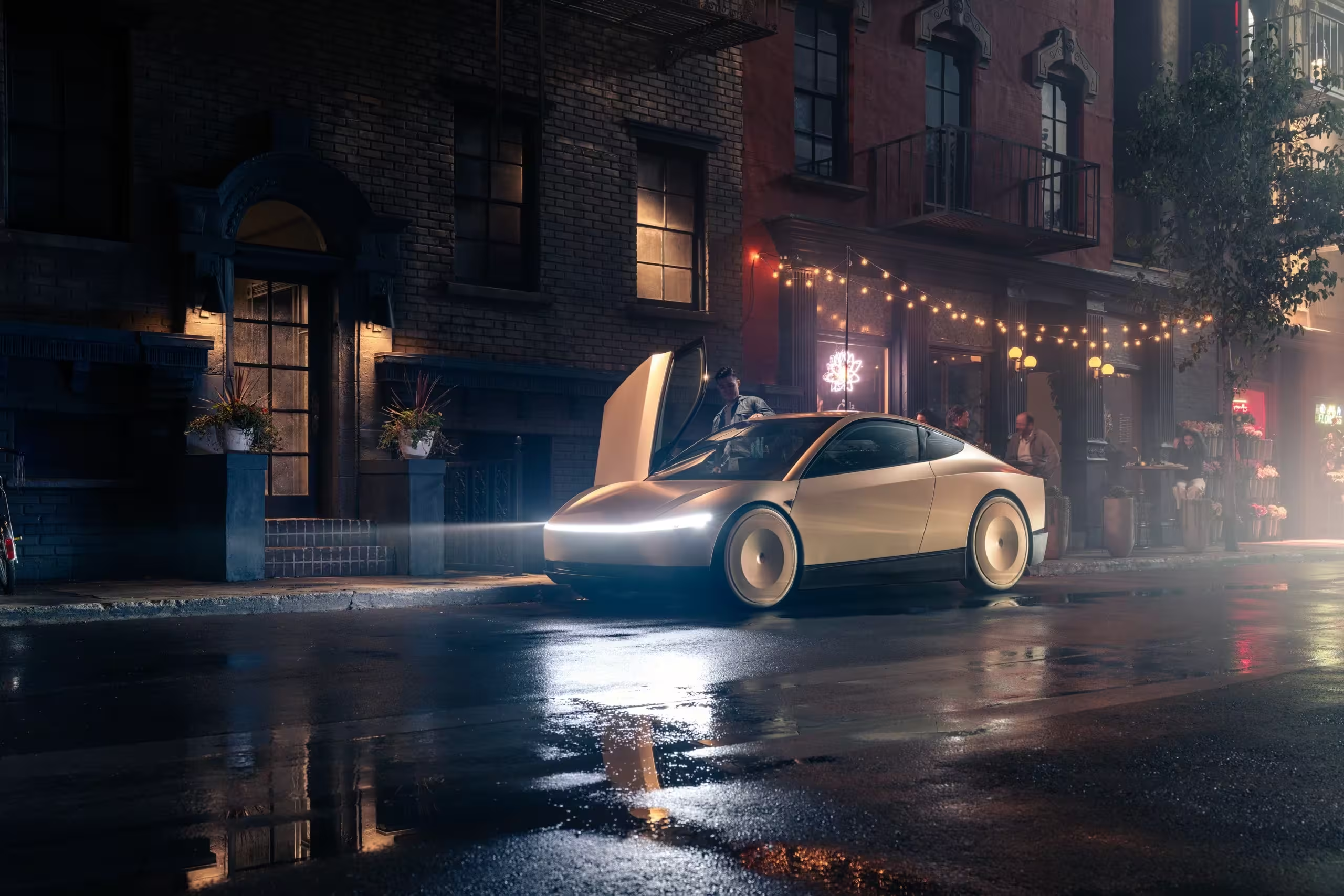
This plan rests on a single, critical assumption — that Tesla’s Unsupervised FSD will reach customers and function reliably at scale. Musk has long predicted imminent breakthroughs in autonomy; skepticism remains widespread because prior timelines have slipped repeatedly.
Risks and market context
The absence of a compact, driver-focused EV based on Cybercab hardware suggests Tesla is not keeping a visible fallback plan if full vehicle autonomy proves slower or less feasible than hoped. If Unsupervised FSD is delayed or fails to reach expected reliability, Tesla may face a gap between production plans and consumer demand.
Comparatively, other players in robotaxi and mobility — such as Waymo and Cruise — are pursuing more incremental deployments and partnerships with traditional OEMs. Tesla’s all-in bet on a wheel-less robotaxi positions it differently in the market and raises questions about flexibility.
What this means for buyers and the EV market
For retail buyers, the message is mixed. Tesla’s existing lineup remains in production, and Musk suggested that greater clarity on autonomy could boost demand for current models. But if prospective buyers were hoping for a new compact Tesla built on the Cybercab platform, they’ll likely have to wait — or temper expectations.
Quote: "Tesla appears to be prioritizing autonomy-first vehicles over conventional new models — a strategy with high upside but also considerable risk if self-driving timelines slip."
Bullet highlights:
- Cybercab production: Q2 2026
- Tesla production goal: ~3 million vehicles by 2028
- Current manufacturing capacity: ~2.35 million; ~75% utilized
- No confirmed compact EV based on Cybercab architecture
Bottom line
Tesla’s Q3 update made one thing clear: the company is doubling down on autonomy and the Cybercab as a potential volume driver. But without a publicly stated contingency plan for a compact, driver-oriented EV, Tesla’s strategy looks like a bold, high-stakes bet that the promise of Unsupervised FSD will materialize and transform demand across its lineup.

“I cover automotive innovation, electric vehicles, and the future of mobility — where technology meets sustainability.”

Discussion
Leave a Comment