
4 Minutes
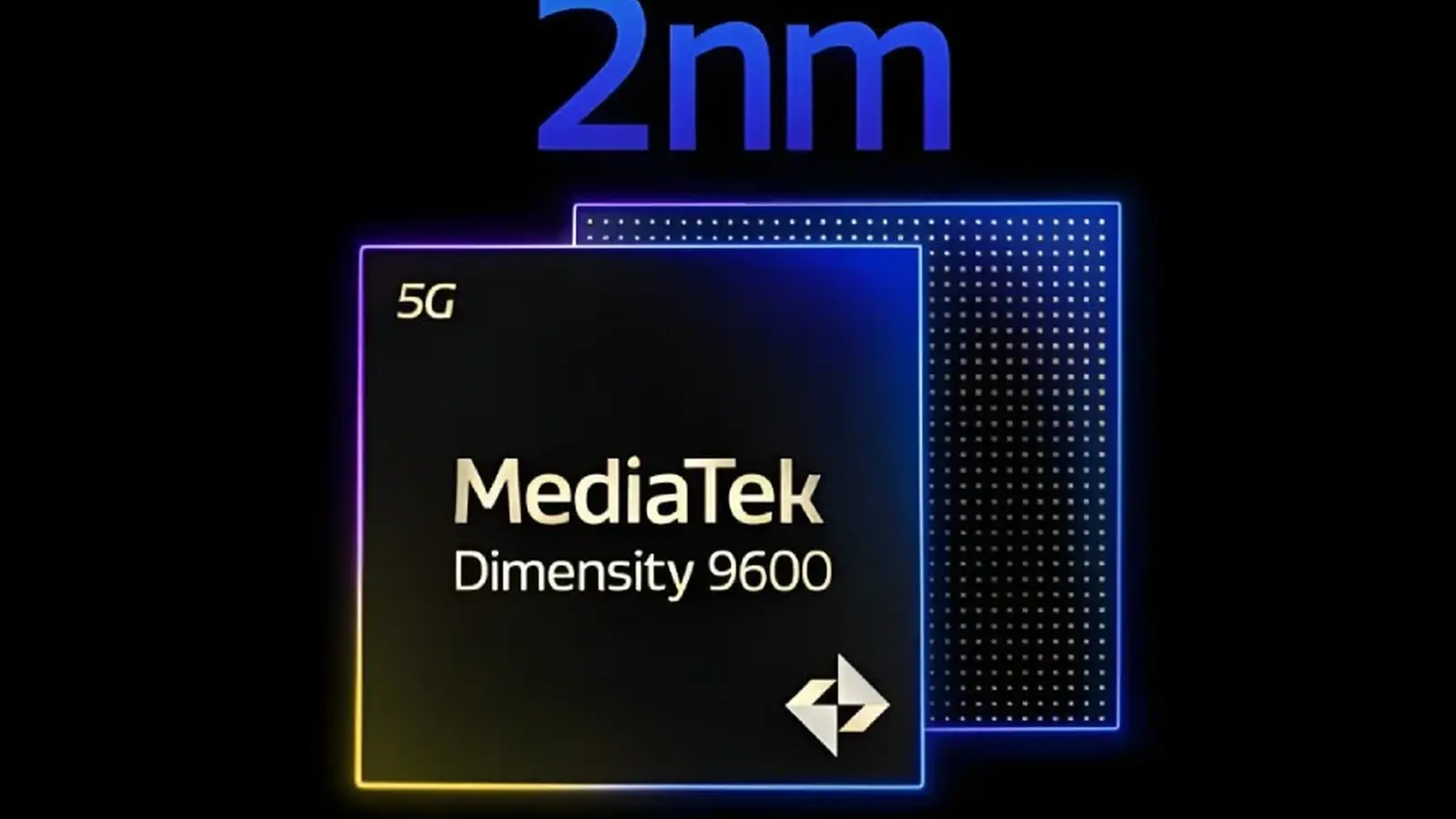
MediaTek’s next flagship chip is starting to look less like a giant leap and more like a careful, calculated step forward. Fresh benchmark chatter around the Dimensity 9600 Pro suggests the company is chasing higher clock speeds, but the early numbers point to gains that are real without being outrageous.
According to leaker Digital Chat Station, the Dimensity 9600 Pro is now being associated with Geekbench 6 results in the range of 4,200 to 4,300 in single-core testing and roughly 12,000 to 12,500 in multi-core performance. These figures are said to come from engineering samples, which means they should be treated as a snapshot, not a promise. Still, they offer the clearest look yet at where MediaTek’s next premium silicon may land.
The comparison with the previous generation is what makes those numbers interesting. DCS claims the last model was around 4,000 in single-core and 11,000 in multi-core, so the new chip appears to be moving up in a noticeable, if measured, way. Not a revolution. More of a push.
What seems to be driving that uplift is a more aggressive CPU layout. Reports point to a dual super-core design, with both top-tier cores running close to 5GHz. Supporting them are three Gelas-b cores and three standard Gelas cores, creating a 2+3+3 configuration built around an all-big-core philosophy. That is a very different playbook from the efficiency-first designs we have seen in lower tiers, and it signals that MediaTek wants this chip to compete head-on at the high end.
The graphics side is also expected to get a lift. The Dimensity 9600 Pro is tipped to use an Arm Magni GPU, which should help round out the platform for gaming and heavy visual workloads. That matters, because raw CPU speed is only half the story in today’s flagship phone race. Frame stability, thermal control, and sustained performance all count.
Qualcomm is moving in the same direction, of course. The Snapdragon 8 Elite Gen 6 Pro is also expected to flirt with 5GHz-class clocks, though early talk suggests its performance gain may stay below 20 percent. On paper, that puts the next wave of Android flagship chips in a tight contest, with both camps leaning on speed and architecture tweaks rather than dramatic reinvention.
The Dimensity 9600 Pro is also expected to be built on TSMC’s N2P process, which should help offset at least some of the power cost that usually comes with higher frequencies. Earlier leaks floated possible power savings of 25 to 30 percent, though those claims remain unconfirmed. Even so, a newer manufacturing node gives MediaTek more room to chase performance without letting efficiency spiral out of control.
For now, the most telling detail may be timing. The Vivo X500 series and the Oppo Find X10 lineup are reportedly first in line to use the Dimensity 9600 family, which means the chip’s real-world debut may not be far off. Until then, these benchmark figures are best read as a preview, not the final word. But if they hold up, MediaTek is setting the stage for a flagship chip that prioritizes speed, confidence, and balance in equal measure.


Comments
Tomas
Nice push, not a revolution though. 5GHz cores sound spicy, but thermals and throttling will decide. hopeful but cautious
mechbyte
Is this even real? 4.2k single, 12k multi from eng samples sounds ok but leakers hype stuff. If N2P cuts power, that’d help, still skeptical.

Leave a Comment