
For all the talk of a healthier U.S. car market, the numbers still tell a lopsided story. Some brands are moving metal fast. Others are letting inventory stack up on dealer lots like cars waiting for a green light that never seems to come.
According to Cox Automotive, the national average in March fell to 79 days of supply, down from 96 in February and 94 in January. That sounds encouraging at first glance, but the broader picture is less tidy: total new-vehicle inventory still inched up 1.3 percent from February to 2.89 million units, and it was 6.1 percent higher than a year ago.
Chrysler still has far too much on hand
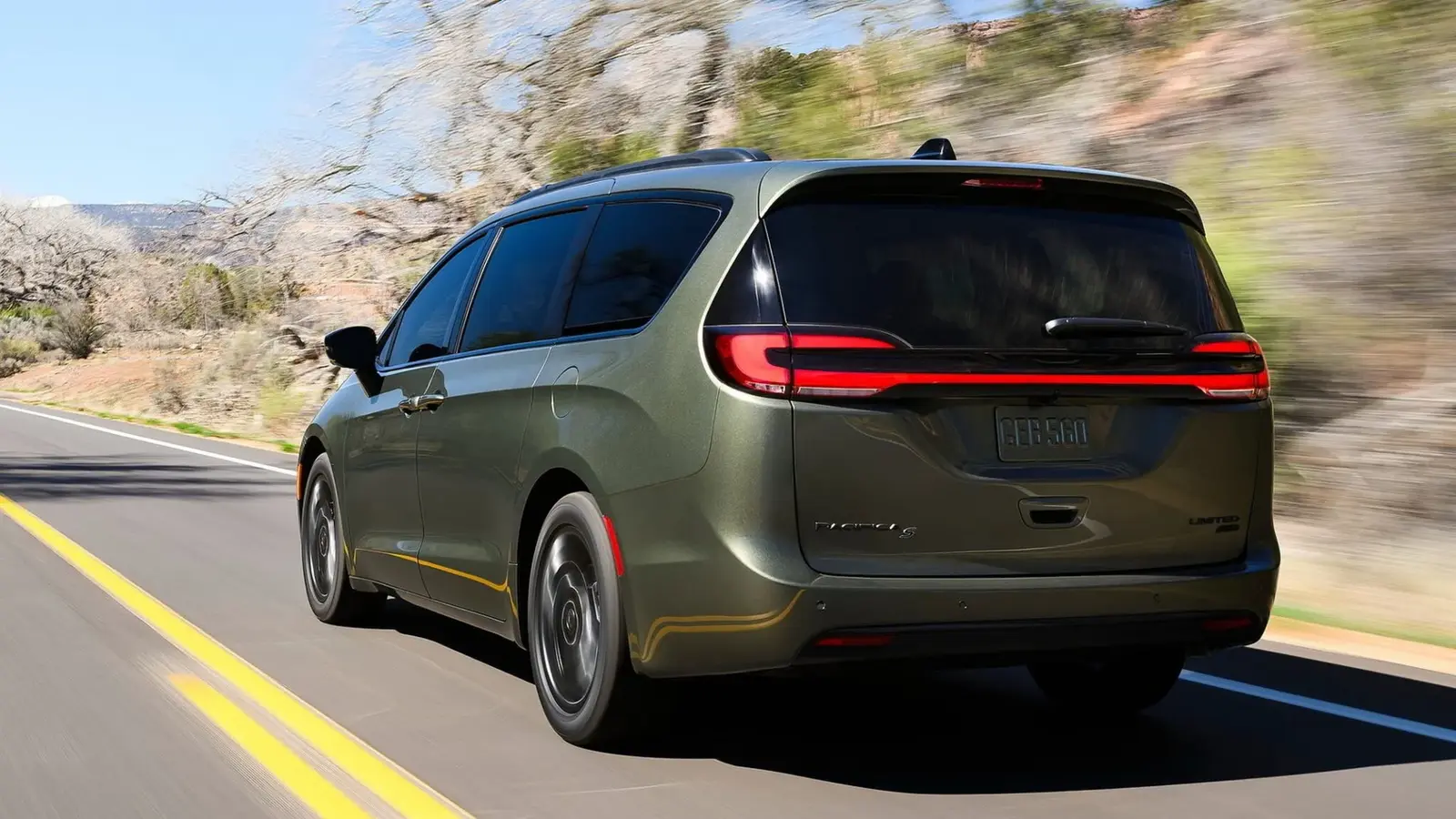
Chrysler remains one of the clearest warning signs in the market. Its inventory in March was more than double the industry average, despite a lineup that has been trimmed to just two minivan nameplates, the Pacifica and the Voyager. And the Voyager is hardly a fresh model. It is essentially a stripped-down Pacifica that Chrysler has been selling for years.
The recent facelift of the Pacifica, complete with an updated front end, suggests there is no all-new replacement around the corner. That leaves Chrysler in a familiar bind: a narrow product range, an aging portfolio, and too many vehicles sitting unsold.
Stellantis keeps showing up on the wrong side of the ledger
Chrysler is not alone. Stellantis continues to dominate the high-inventory side of the chart. Dodge is sitting on 140 days of supply, just ahead of Ram at 138 and Jeep at 127. Those are hefty numbers by any measure, especially in a market where dealers are trying hard to keep pricing under control.
Among non-Stellantis brands, Mini has the highest days of inventory at 123, followed by Mitsubishi at 119, Buick at 114, and Volkswagen at 109. It is a crowded list, and not a flattering one.
On the other end, Toyota and Lexus are playing a very different game. Both brands are down to just 36 days of supply, among the tightest numbers in the industry. Honda is also relatively lean at 52 days, while Audi sits at 47. Kia, Chevrolet, Infiniti, Cadillac, Subaru, and Porsche all remain below the national average as well.
The balance between supply and demand has shifted again, helped by a strong rebound in sales during March. Cox Automotive says 1.13 million new vehicles were sold in the U.S. last month, a sharp jump from 831,191 in February. That kind of rebound tends to pull inventory down, even if only temporarily.
Pricing softened slightly too. The average listing price slipped to $48,667 in March, while incentives climbed to $3,541 per vehicle, equal to 7.2 percent of the average transaction price. In plain English: dealers are leaning harder on discounts to keep traffic moving.
That is the real story behind the headline numbers. The market is not simply getting bigger or smaller. It is getting more uneven. Toyota and Lexus are keeping supply tight, while Chrysler and much of Stellantis are stuck with too much stock and too little momentum. And in today’s market, that difference matters more than ever.

“Cars are evolving faster than ever. I cover electric vehicles, smart mobility, and the future of transportation worldwide.”

Discussion
Leave a Comment