
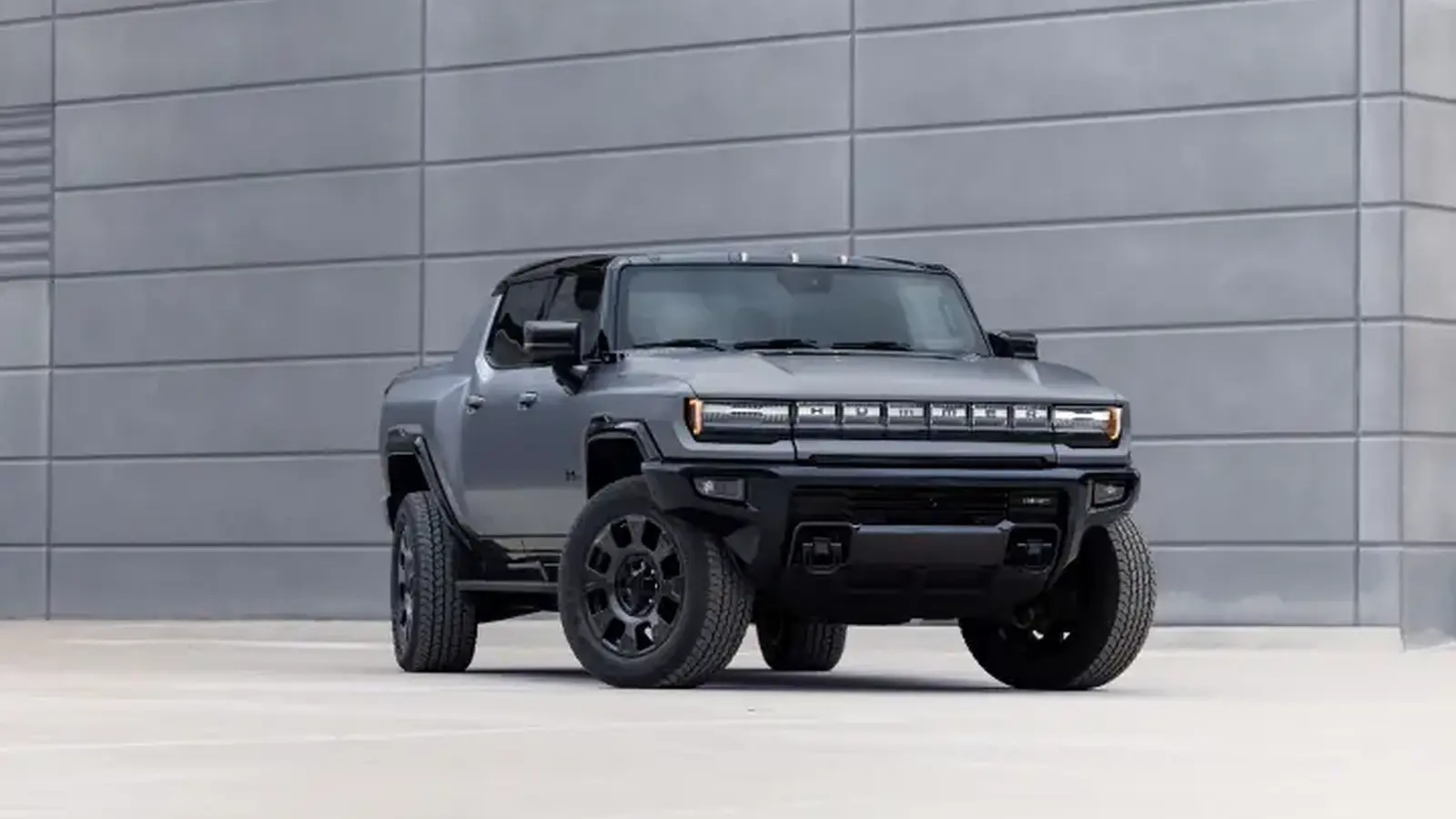
General Motors appears to be taking a hard look at its biggest electric bets, and that alone says plenty. After nearly a year of stop-start activity at Factory Zero, rumors swirled that the automaker was quietly pressing pause on next-generation full-size EVs, including updated versions of the GMC Hummer EV and Chevrolet Silverado EV. For a segment built on scale, ambition, and big promises, the timing feels awkward.
The chatter gathered pace after Automotive News reported that suppliers had been told development was being pushed back. According to that report, the delay could ripple across GM’s heavyweight electric lineup, from the GMC Sierra EV and Cadillac Escalade IQ to future versions of the Silverado and Hummer. In other words, this was not a small adjustment. It sounded like a strategic rethink.
GM, however, moved quickly to cool the speculation. The company said nothing has been cancelled and nothing has been formally shelved. Officially, it remains committed to an all-electric future. Unofficially, the picture looks a bit more complicated, because repeated production slowdowns rarely happen in a vacuum.
Factory Zero is sending a signal
Factory Zero has become the clearest clue that demand for GM’s largest EVs is not matching the company’s original hopes. The Detroit plant has reportedly faced multiple shutdowns and pauses over the past 12 months, which is hardly the kind of rhythm you want when you are building premium electric trucks and SUVs. When output stalls, executives notice. When it happens again, they notice harder.
That matters because many of these models were supposed to get fresh updates around 2028. If Automotive News is right, those plans may drift closer to 2030, leaving GM’s electric full-size trucks and SUVs trailing their gasoline counterparts by a wider margin than originally intended. That kind of lag can blunt momentum fast, especially in a market where buyers are already being picky about price, range, charging speed, and real-world usefulness.

There is also the broader industry backdrop. Automakers are still acting as though huge electric vehicles will eventually pay off, even if today’s numbers are less than glamorous. Part of that is about long-term regulation. Part of it is about software, subscriptions, and the new business logic of connected cars. The more electronic a vehicle becomes, the easier it is for manufacturers to wrap services, data, and aftersales revenue into the package.
But the market has its own ideas. Smaller EVs and midsize electric crossovers are usually the easier sell, while giant battery-powered trucks remain a tougher pitch. They are expensive. They are heavy. They consume a lot of energy. And for many buyers, the value equation just does not land.
That helps explain why GM’s full-size electric models have not exactly been flying out of showrooms. Tesla still dominates the EV volume conversation by a wide margin, while GM, Ford, and Hyundai are all chasing the same crowded middle ground. Even Tesla’s Cybertruck, which broke from the expected script, is not a runaway hit by mass-market standards.
According to the figures cited in the report, the Cybertruck reached an estimated 29,000 U.S. sales through 2025, narrowly ahead of the Chevrolet Silverado EV at 27,307 units. The Cadillac Escalade IQ followed with 8,115 deliveries, while the GMC Hummer EV lineup, including both SUV and pickup versions, reached an estimated 15,000 sales. Those are not disastrous numbers. But they are not the sort of figures that make a company sprint deeper into a very expensive segment without hesitation.
So where does this leave GM? Somewhere in the middle, which is often where the automotive truth lives. The company is still publicly committed to EVs, but the pace, priorities, and timing may be changing behind the scenes. And if full-size electrics are going to remain part of the plan, they may arrive later, cost more to develop, and face a market that has become much less forgiving.

“I cover automotive innovation, electric vehicles, and the future of mobility — where technology meets sustainability.”

Discussion
Leave a Comment