
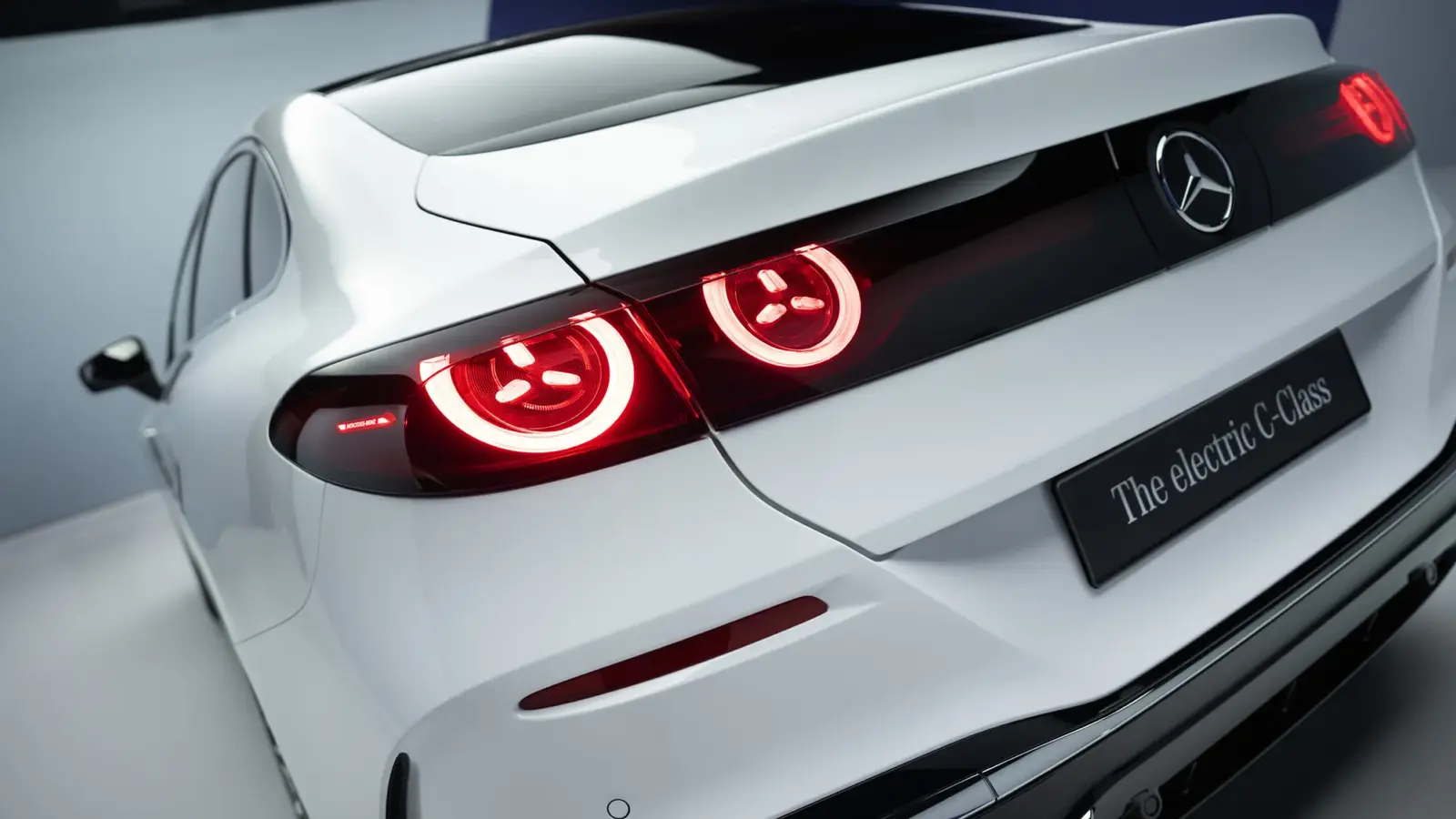
Mercedes-Benz has just shown its electric C-Class to the world, but the more revealing news may be hiding under the floor. From 2028, the brand’s next wave of electric cars is expected to lean on battery cells from Samsung SDI, marking a significant shift in how Stuttgart plans to power its future EV lineup.
The agreement, signed this week, gives Mercedes access to nickel, manganese and cobalt battery cells, better known as NMC chemistry. That matters. NMC batteries remain the favored choice for many premium electric vehicles because they can pack more energy into a given space, which usually means stronger range figures without turning the car into a rolling battery brick.
Samsung SDI is pitching the deal around the usual big promises: high energy density, long service life and stable performance under demanding use. For Mercedes, the appeal is clear. Luxury EV buyers do not simply want a battery that works. They want quiet confidence, long-distance ability and performance that does not fade after a few hard accelerations or a cold winter morning.
The quiet battery race behind the badge
Mercedes has not confirmed the exact model that will introduce Samsung’s new NMC cells, but the timing points strongly toward vehicles based on the upcoming Mercedes Modular Architecture, or MMA. From 2028 onward, that platform is expected to underpin a broad range of compact and mid-size electric models, including SUVs and several sleeker body styles that have yet to be officially named.
This does not mean Mercedes is suddenly walking away from every existing supplier. The company already uses NMC battery packs in current EVs, including versions of the CLA 250+ and CLA 350 4Matic, with cells sourced from China’s CATL. The electric Mercedes VLE also uses a large 115 kWh NMC pack, while the newly unveiled electric C-Class carries a 94.5 kWh battery and is claimed to travel up to 760 km on a charge.
Still, the Samsung deal is more than a routine procurement update. It shows how carefully global carmakers are spreading their battery bets. Supply security has become just as important as battery chemistry itself. A carmaker can design the most advanced electric platform in the world, but if cells arrive late, cost too much or become trapped in geopolitical bottlenecks, the whole plan starts to wobble.
For Samsung SDI, the Mercedes order is a prestige win. Supplying batteries to one of Germany’s most powerful luxury brands strengthens its position in the global EV battery market, especially at a time when Asian cell makers are competing fiercely for long-term contracts with European manufacturers.
The bigger question is why Mercedes is sticking so closely to NMC chemistry for its higher-end electric models when lithium iron phosphate, or LFP, batteries are gaining ground across the industry. The answer comes down to priorities.
NMC batteries usually offer better energy density, which helps deliver longer driving range from a relatively compact pack. That is valuable in premium cars, where engineers also have to make room for comfort features, sound insulation, complex suspension hardware and powerful electric motors. Nobody buying a high-end Mercedes EV wants to be told the cabin is smaller because the battery needed more space.
LFP batteries play a different game. They are typically cheaper, robust and happy to be charged to 100 percent more often without the same level of long-term degradation concerns. For daily commuters, fleet operators and entry-level EVs, that makes enormous sense. Less drama. Lower cost. Plenty of durability.
But range still sells, especially in the luxury segment. Mercedes knows that a future electric SUV or coupe wearing the three-pointed star has to feel effortless on a motorway trip, not merely sensible on a spreadsheet. That is where Samsung’s NMC cells could become a key ingredient.
The switch also underlines a broader truth about the EV market in 2028 and beyond. The battle will not be won only with dramatic styling, giant screens or faster charging claims. It will be fought in chemistry labs, supply contracts and production lines that most buyers will never see.
Mercedes is not just choosing a battery supplier. It is choosing the character of its next generation of electric cars.

“Cars are evolving faster than ever. I cover electric vehicles, smart mobility, and the future of transportation worldwide.”

Discussion
Leave a Comment