
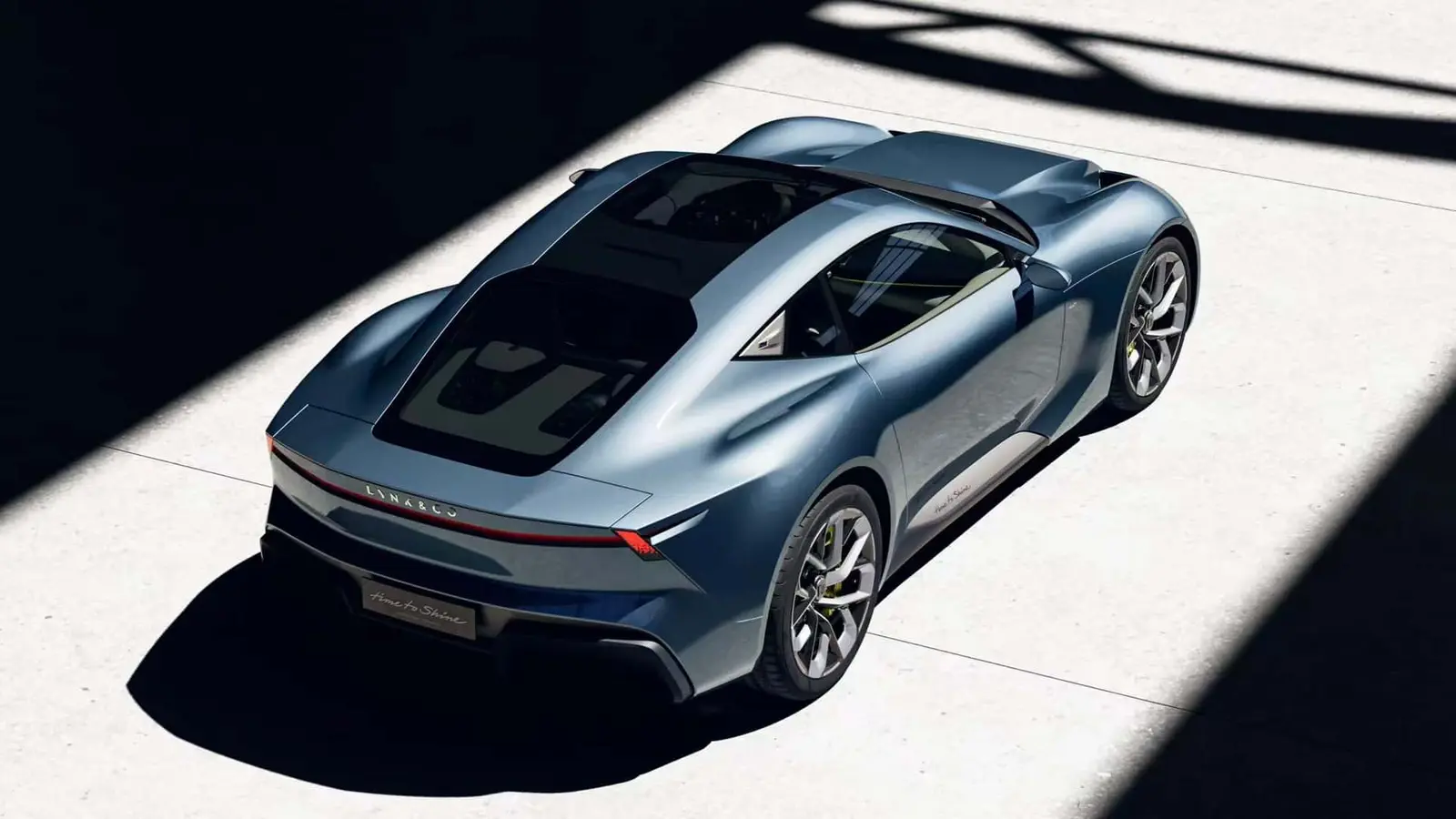
Two seconds. That is roughly all the Lynk & Co GT concept needs to turn a standstill into license-losing velocity, at least if the numbers hinted at in Beijing survive the long road from show stand fantasy to production reality.
Revealed at the Beijing Auto Show as Lynk & Co celebrates its 10th anniversary, the GT is not just a birthday present wrapped in carbon fiber. It is a statement car. Low, wide, theatrical and clearly aimed at the world of electric and electrified performance machines, this Chinese supercar concept shows where the brand wants its design language and engineering ambition to go next.

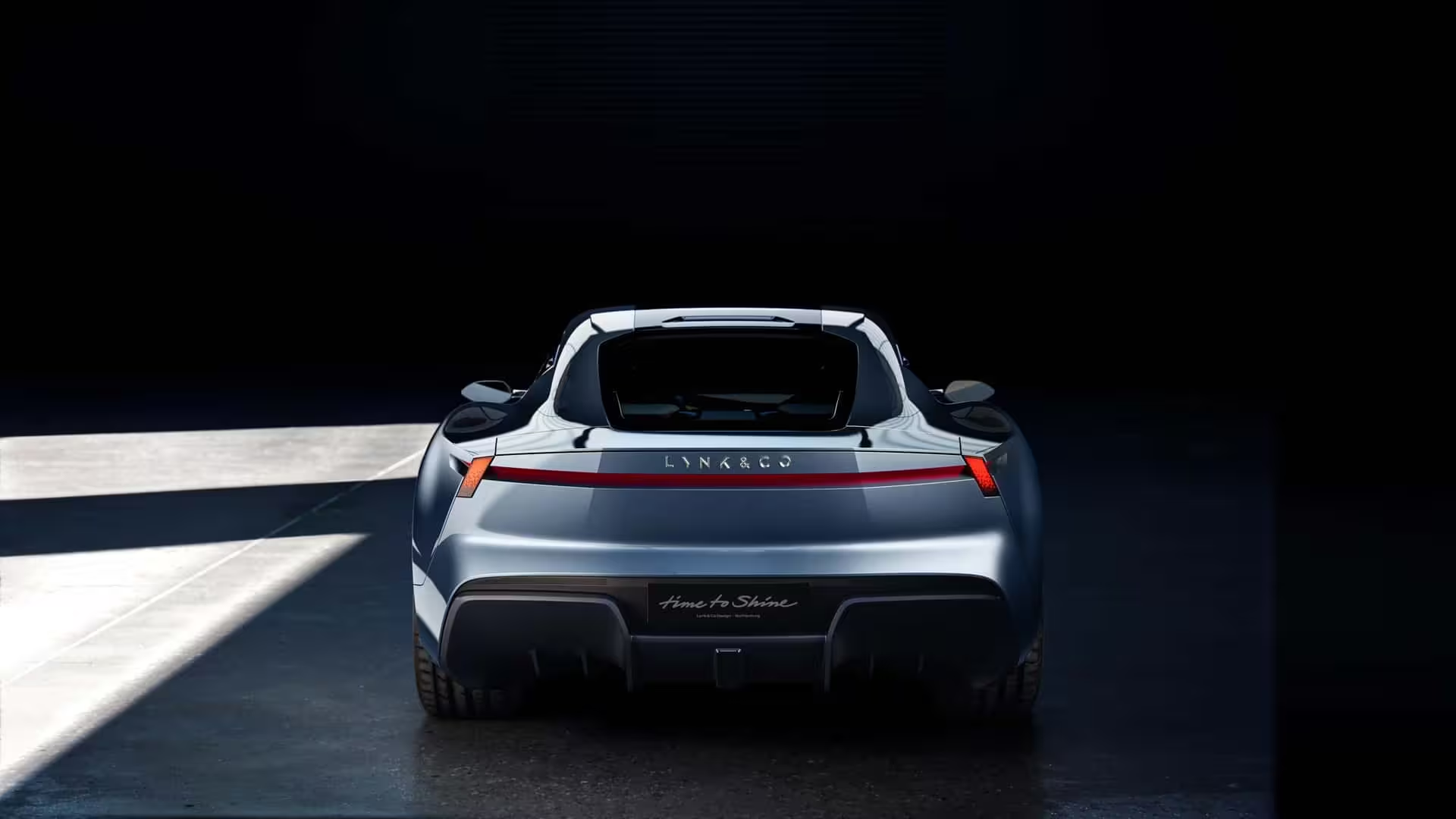
The shape is classic grand tourer with a harder edge. At 188.2 inches long, 78.7 inches wide and only 52.4 inches tall, or about 4.78 meters by 2.0 meters by 1.33 meters, the GT sits with the confidence of something built to slice through air rather than politely move it aside. A 108.3-inch wheelbase gives it that planted, cab-rearward posture designers love and photographers chase.
Then there is the paint. Lynk & Co calls it Apex Blue, and it is meant to play tricks with light, shifting like liquid metal as you walk around the car. Spark Yellow details cut through the cool bodywork with the precision of a highlighter on a race engineer’s notebook. Subtle? Not really. Memorable? Absolutely.
The little plus button with a big attitude
The cabin sticks with a 2+2 layout, which gives the GT a slightly more usable personality than a pure two-seat exotic, even if nobody should expect limousine comfort in the back. White Digital Shimmer leather brightens the interior, while hand-finished Textreme 360 carbon fiber brings in the motorsport flavor. It is polished, technical and a little showy, exactly as a concept like this should be.

The neat party trick sits on the center console: a plus button. Press it and the car changes character. The suspension drops by 0.6 inches, active aerodynamic elements push out at the front and rear, adding around 3.9 inches to the car’s overall length, and the rear wing rises to generate more downforce. It sounds like theater, but it is the kind of theater performance-car buyers increasingly expect.
Underneath, Lynk & Co says the GT uses rear-wheel drive and a chassis inspired by racing, supported by an AI-based motion control system. That last phrase can mean many things in concept-car language, but the target is clear: sharper responses, better stability and more control when the car is being driven hard. The claimed sprint from 0 to 62 mph, or 0 to 100 km/h, lands at around two seconds. That puts the GT concept in the conversation with the quickest EV supercars on the planet.
The project was shaped by Lynk & Co teams in China and Europe, with Swedish design influence still visible in the brand’s DNA. That mix matters. Lynk & Co has always tried to sit somewhere between Chinese speed of development, European taste and a connected-car mindset, and the GT pushes that formula into a much more emotional space.
There is also a crowd element here. The company says feedback from a global user community of more than 1.7 million people helped influence the concept. If reaction is strong enough, a production version is not out of the question. Concept cars often promise the moon and deliver a dashboard trim option three years later, but this one feels less like a static sculpture and more like a trial balloon.
Even if the Lynk & Co GT never reaches showrooms unchanged, it already tells us plenty about the brand’s next move: faster, lower, bolder and far more serious about performance.

“I cover automotive innovation, electric vehicles, and the future of mobility — where technology meets sustainability.”

Discussion
Leave a Comment