
Tiny cars have a way of making grown adults argue like children. Put a BMW badge on one, give it a face that looks half adorable and half startled, and suddenly the internet is debating whether Munich should resurrect one of the strangest machines it ever built.
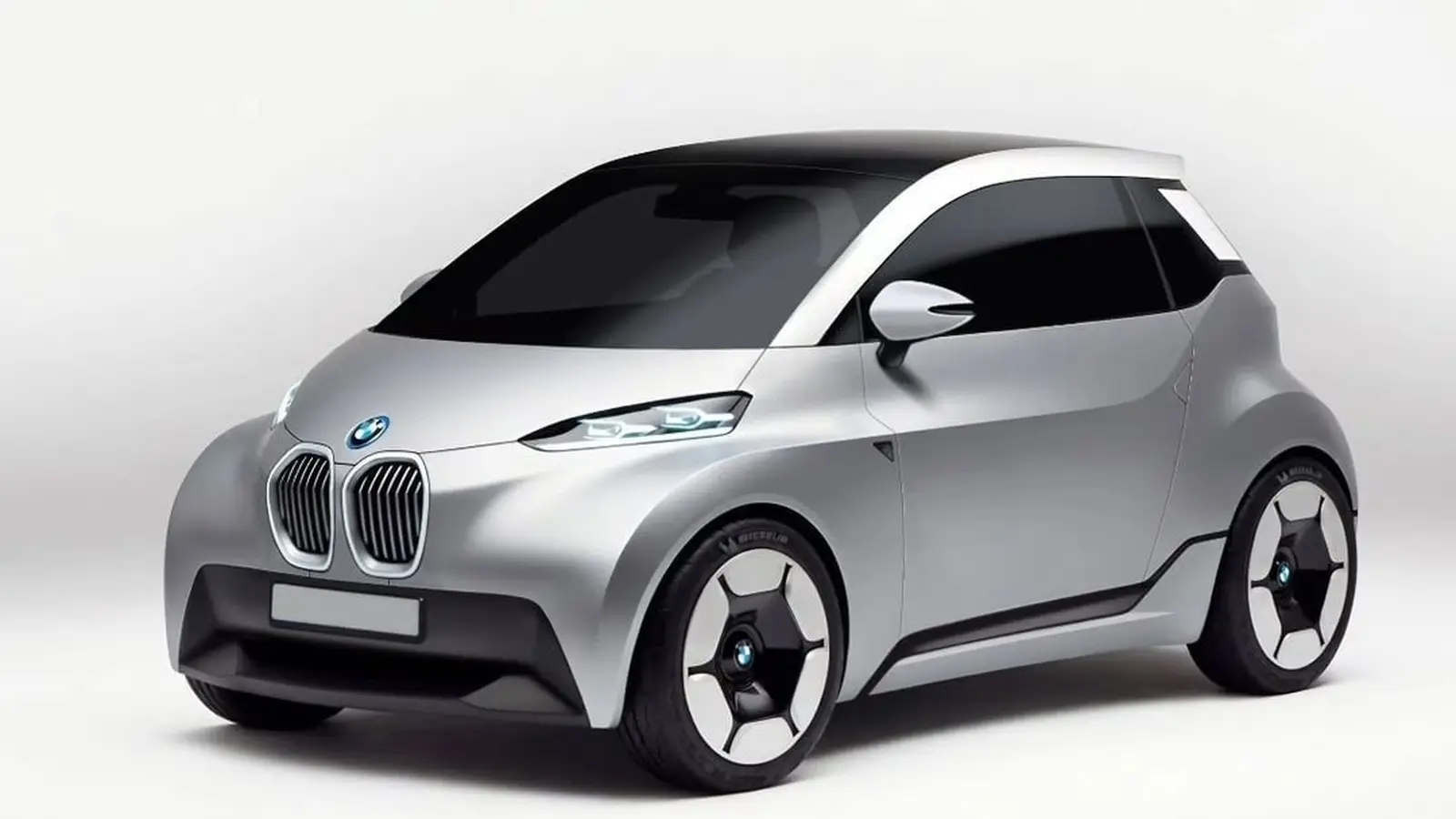
That is exactly what happened with a new digital rendering of a modern BMW Isetta, shared by pixel artist Giorgi Tedoradze on Instagram. It is not an official BMW concept, not a leaked prototype, and certainly not a confirmed production model. Still, it taps into a question that keeps circling the car world: could a revived Isetta make sense in an age of electric city cars, crowded streets, and shrinking parking spaces?
The short answer? Maybe. The more honest one? Only if BMW knows when to leave nostalgia alone.
A bubble car with a bigger legacy than its size
The original Isetta was never supposed to be a BMW icon. It began life with Iso SpA in Italy before being built under license in several countries, including parts of Europe, Argentina, and Brazil. BMW’s version became the one everyone remembers, partly because it arrived at the right moment and partly because it was impossible to ignore.
It had a front-opening door. It looked like a refrigerator on wheels. It carried its passengers with the sort of earnest awkwardness that modern designers spend millions trying to recreate through retro cues and lifestyle branding.
Under the skin, the BMW Isetta was wonderfully simple. A 298 cc single-cylinder four-stroke engine sat behind the cabin, driving the rear wheels through a manual gearbox. Flat out, it could reach around 85 km/h, which sounds terrifying today and probably felt optimistic even then. It weighed just 353 kg, measured 2,250 mm long and 1,341 mm wide, and somehow managed to return about 3 l/100 km, or 78 mpg US.
For the 1950s, that was remarkable. More than 160,000 examples were sold, making it one of the best-known single-cylinder cars ever built. There were coupe, cabriolet, van, and pickup versions, because apparently even bubble cars needed a work ethic. The larger BMW 600 eventually followed, but the Isetta remained the cultural memory.
So yes, it matters. But that does not automatically mean it deserves a comeback.

The rendering gets the joke, but also exposes the problem
Tedoradze’s imagined modern Isetta is instantly recognizable as a BMW. The tiny kidney grille does a lot of heavy lifting, while the swept-back headlights try to pull the old bubble-car idea into the present day. It is cute in the way a concept sketch can be cute: clean, simplified, slightly mischievous.
Look closer, though, and it starts to feel less like an Isetta reborn and more like BMW’s answer to the upcoming Smart #2, the expected spiritual successor to the discontinued Smart ForTwo. That is not necessarily a bad comparison. Europe still needs compact urban mobility, and electric powertrains are a natural fit for short-range city cars.
But a BMW city pod is a tricky thing to sell. BMW is not Smart. It is not Citroën with the Ami, nor is it a micro-mobility startup trying to make a statement with plastic panels and subscription plans. BMW sells aspiration. Performance. Engineering theatre. Even its smallest cars have to feel like they belong to the same family as an M3, an i5, or the next wave of Neue Klasse models.
That is where the Isetta becomes dangerous. Nostalgia can charm people into clicking, but it cannot guarantee a business case.
A modern electric Isetta would need to be safe, efficient, affordable enough to make sense, and premium enough to justify a BMW badge. It would also have to avoid becoming a novelty item, the kind of car people love on social media but never actually buy. Ask any automaker. Online applause does not pay factory invoices.
There is also the design question. BMW is already walking a tightrope between heritage and reinvention. Neue Klasse is meant to carry the brand into its electric future without abandoning its past. A retro microcar could either add warmth to that strategy or turn into a distraction at exactly the wrong time.
The latest 7 Series facelift, for example, has managed to avoid a full plunge into BMW’s newest design language, at least for now. That restraint matters. Not every badge from the past needs to be revived. Not every old shape becomes better with LEDs and a battery pack.
Still, the idea refuses to die because the market around it keeps changing. Cities are restricting traffic. Buyers are rethinking car ownership. Younger drivers are less obsessed with horsepower and more interested in convenience, running costs, and whether a car can fit into a space that barely qualifies as a parking spot. In that world, a clever electric microcar does not sound ridiculous.
Just maybe not as a BMW Isetta.
The real lesson from this rendering is not that BMW should rush to revive its bubble car. It is that the appetite for characterful urban EVs is real. People are tired of anonymous crossovers. They want machines with personality, even if those machines are tiny, weird, and slightly impractical.
A modern Isetta would grab attention in seconds, but BMW would need more than cuteness to make it worth building.
For now, this digital comeback is best enjoyed for what it is: a clever provocation, a reminder of BMW’s strangest chapter, and a glimpse at the kind of compact electric car the industry keeps circling without quite committing to. The original Isetta helped save BMW once. Asking it to do the same again might be asking too much.

“Cars are evolving faster than ever. I cover electric vehicles, smart mobility, and the future of transportation worldwide.”

Discussion
Leave a Comment