
4 Minutes
Samsung did not just join the foldable phone race. It practically built the track. After years of awkward prototypes, cracked-screen headlines, and careful redesigns, the Galaxy Z series became the most recognizable name in foldable smartphones.
Now a little-known US company is trying to hit the brakes hard.
Lepton Computing LLC has sued Samsung in the US District Court for the Eastern District of Texas, accusing the tech giant of infringing nine patents tied to foldable display technology. The lawsuit, filed on April 24, does not ask for a quiet settlement tucked away in legal paperwork. Lepton wants damages, ongoing royalties, and a permanent injunction that would block Samsung foldables from the US market.
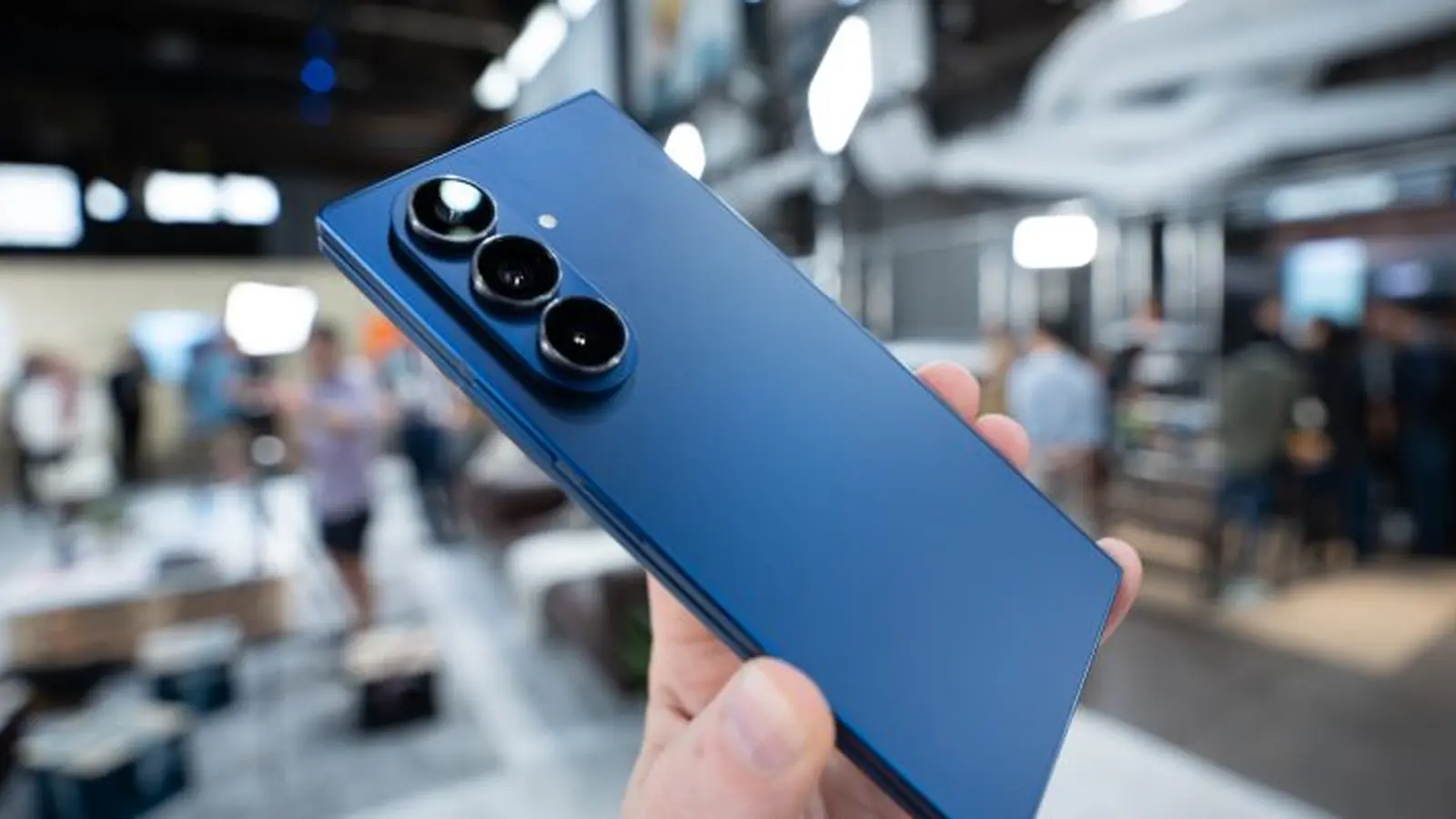
That request covers the Galaxy Z Fold, Galaxy Z Flip, and Galaxy Z TriFold lines, according to the complaint. In plain English, Lepton is asking a court to stop Samsung from selling the very devices that helped turn folding screens from a trade-show curiosity into a mainstream smartphone category.
The company’s case leans heavily on the work of its founder, Stephen Delaporte. Lepton claims Delaporte began developing foldable display technology in the early 2010s, long before Samsung released the first Galaxy Fold in 2019. It also says meetings took place with Samsung executives as early as 2013, during which prototypes and technical details were allegedly shared.
That is the heart of Lepton’s accusation: Samsung, the lawsuit suggests, did not stumble into similar ideas by accident. Lepton argues Samsung knew about its technology and moved ahead anyway.
The date problem hiding in plain sight
Patent lawsuits often sound simple from a distance. Someone invented something. Someone else used it. Lawyers arrive. Reality is messier.
The biggest wrinkle here is timing. The earliest patent registration date cited in the case is June 29, 2021. That is roughly two years after Samsung launched the original Galaxy Fold in September 2019. On the surface, that gives Samsung a clean and obvious defense: a company generally cannot infringe a patent that had not yet been granted when the product appeared.
But patent law has trapdoors. Lepton is likely to point to earlier application filings, reportedly dating back to 2010, and argue that the granted patents trace their priority back to those original submissions. Priority dates can matter more than the date a patent is formally issued, especially when a company claims the invention was described years earlier.
That is where the real fight begins. A court will need to examine whether those early filings actually describe the foldable display systems used in Samsung’s Galaxy Z devices. Not vaguely. Not in spirit. In the specific, technical way patent law demands.
For Samsung, this is not just another courtroom nuisance. Foldables are a signature product category, one the company has spent years refining while rivals from Google, Motorola, Honor, Oppo, and Huawei tried to narrow the gap. A US sales ban would be dramatic, even if injunctions of that scale are not easy to win.
For buyers, nothing changes today. Samsung’s foldable phones remain on sale, and there is no immediate ban affecting the Galaxy Z Fold or Galaxy Z Flip. Samsung has not yet filed its formal response, and cases like this rarely move quickly.
Still, the lawsuit is worth watching. Not because every patent complaint reshapes the smartphone industry, but because this one targets one of its most visible experiments. Foldable phones have always carried a little drama in the hinge. Now that drama has moved to a Texas courtroom.


Comments
Armin
Wow, a ban on foldables would be wild! If a court blocks Galaxy Z in US thats huge for the whole market, and for buyers, ugh what a mess
dataflux
So the patents date back to 2010 but issued 2021? is this even legit or just another patent-troll move? Texas courts, sigh... Samsung probably has a solid defense

Leave a Comment