
Beijing asked for a ceasefire. BYD answered with another round of discounts.
China’s brutal car price war was supposed to be easing by now, or at least becoming less visible. Instead, the battle has moved into a more dangerous phase, with the country’s biggest electric vehicle champion cutting deeper just as officials try to stop the industry from undercutting itself into exhaustion.
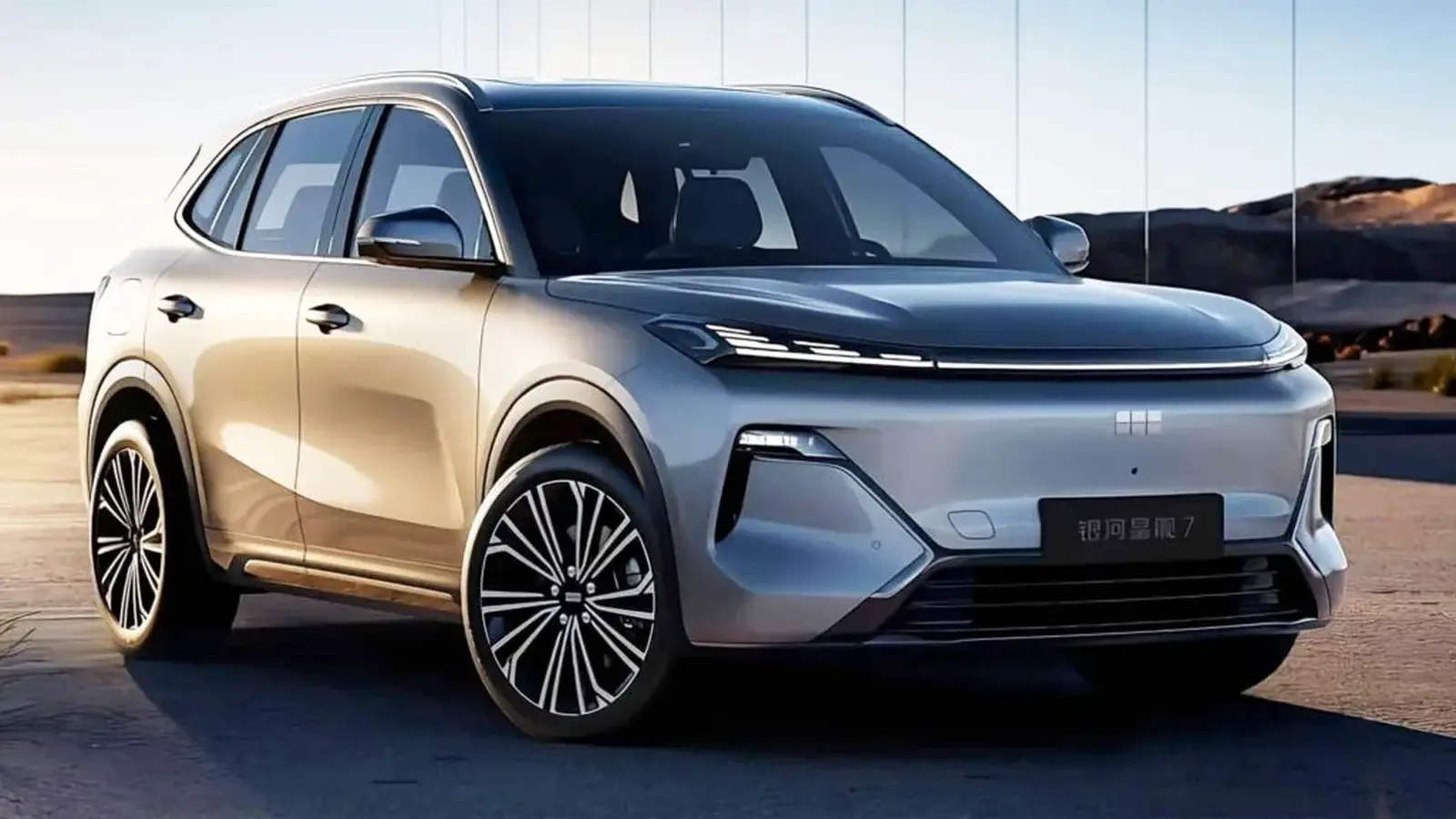
BYD, facing softer sales momentum at home, has increased discounts across parts of its lineup. Bloomberg data shows the average price reduction on BYD models reached about 10 percent in March. That is not happening in a vacuum. Geely and Chery, two of China’s most aggressive domestic rivals, are still offering discounts of around 15 percent, a level that has remained broadly steady over the past year.
So much for cooling the market.
Nearly a year ago, Chinese regulators gathered executives from more than a dozen automakers and urged them to stop turning the world’s largest car market into a race to the bottom. The official language was unusually blunt. Authorities called for a clean-up of what they described as “involutionary” competition, a phrase used by Premier Li Qiang to describe industries trapped in self-defeating cycles where everyone works harder, spends more and earns less.
The uncomfortable math behind China’s car glut
The reason the discounts will not die is simple, and deeply uncomfortable: China can build far more cars than it can sell at home.
Last year, Chinese buyers purchased roughly 23 million new vehicles. The country’s factories, however, have the capacity to produce about 55.5 million vehicles annually. That gap is enormous. It leaves automakers fighting over customers with rebates, financing deals and price cuts that look attractive on showroom floors but brutal on balance sheets.
Exports have become the pressure valve. Chinese brands are pushing harder into overseas markets, from Europe and Southeast Asia to Latin America and the Middle East. EV exports from China more than doubled last month, a sign of just how urgently manufacturers are trying to find buyers beyond their domestic market.
For global carmakers, this is not just a China story. It is a warning flare. When excess factory capacity meets world-class battery supply chains and government-backed industrial ambition, the result is a wave of competitively priced electric cars heading abroad. European, Japanese, Korean and American brands are watching closely, because every discount in China can eventually echo in export markets.
There is another twist. Regulators are now scrutinizing how automakers treat suppliers. In the past, some manufacturers delayed invoice payments for months, freeing up cash that helped fund heavy discounts and sales incentives. Local authorities have begun pushing companies to pay suppliers faster, which improves conditions for parts makers but puts more financial strain on car companies.
BYD is feeling that squeeze. Faster supplier payments mean more pressure on liabilities, and the company’s debt-to-equity ratio has climbed to about 25 percent. That figure is not catastrophic, but it shows how the cost of sustaining market share can move quickly from pricing strategy to financial risk.
Customers may see cheaper EVs and plug-in hybrids. Dealers may see busier showrooms. But the industry behind those bargains is starting to creak.
François Roudier, secretary general of the International Organization of Motor Vehicle Manufacturers, put it plainly: “It seems to be good for the customers, but it’s not, manufacturers are losing money. It hurts the full system.”
That is the heart of the problem. China’s EV boom created giants, but it also created too many factories chasing too few buyers. BYD can afford to fight longer than most, thanks to its scale, batteries and vertically integrated supply chain. Smaller rivals may not be so lucky.
And yet no one wants to blink first. If BYD cuts, others respond. If Geely and Chery hold discounts, pressure builds across the market. If exports rise, foreign governments sharpen their trade defenses. Beijing may want discipline, but in a crowded market, survival often speaks louder than policy.

“Cars are evolving faster than ever. I cover electric vehicles, smart mobility, and the future of transportation worldwide.”

Discussion
Leave a Comment