
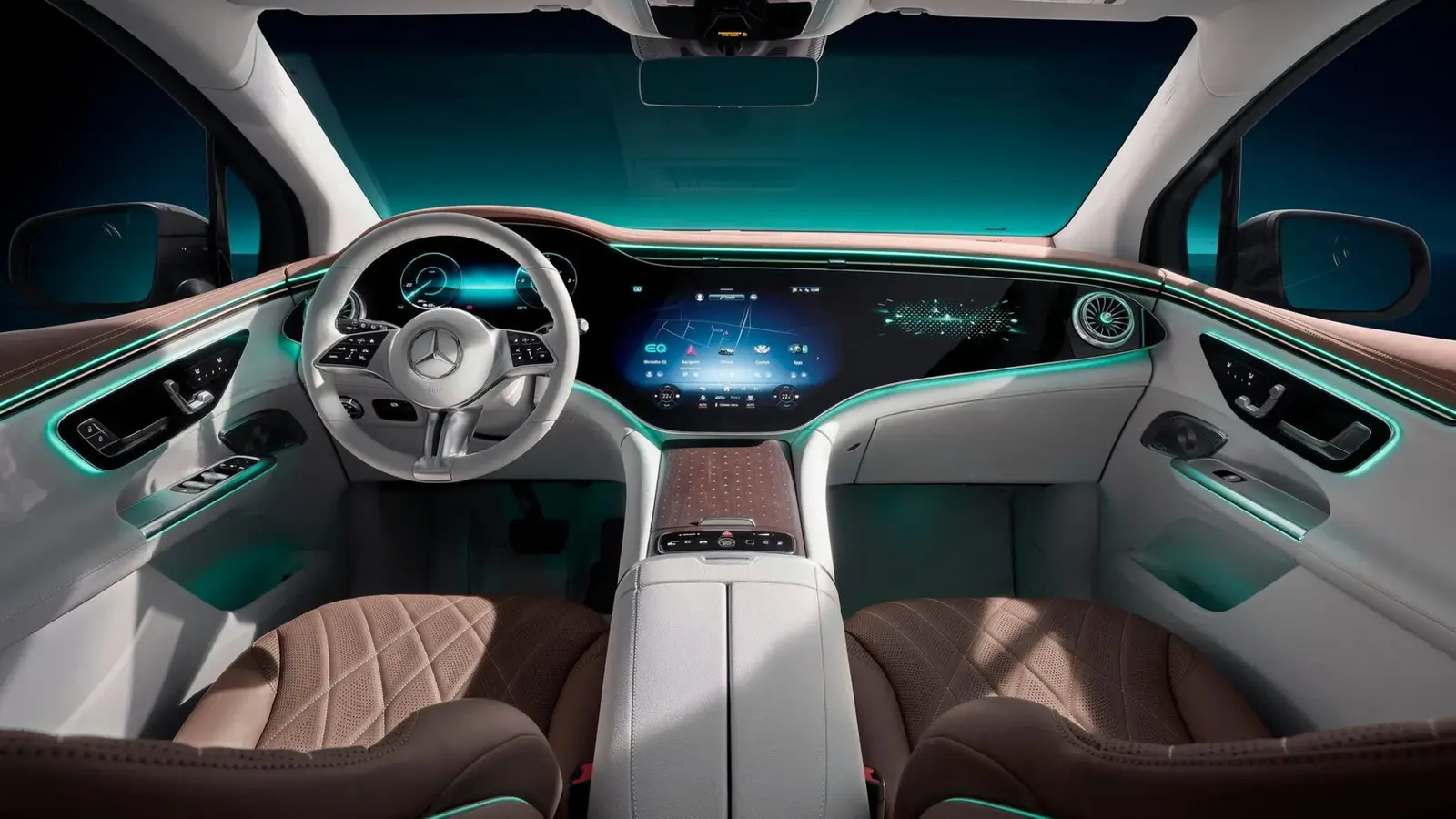
Mercedes is not backing away from its wall to wall displays. Not even close. But after years of chasing the all screen future, the brand is now admitting what many drivers have been saying all along: some things simply work better when you can press them.
That shift is starting to show inside future Mercedes models, where physical controls are set to make a meaningful comeback. Not because the company has fallen out of love with giant digital panels, but because customers never fully bought into the idea that every function should live behind glass.
Mathias Geisen, a senior Mercedes executive, told Autocar that feedback from buyers has been remarkably consistent. People like the drama of large screens. They like the sense of modernity, the wow factor, the ability to personalize what they see. But when it comes to certain everyday functions, they still want proper hard keys they can find and use without hunting through menus.
Mercedes, by its own admission, has known this for around two years. Customers were blunt. The concept looked clever, but in real life it was not always convenient. So the company began adjusting course, bringing back more analogue elements in places where digital controls had become frustrating rather than futuristic.
One clear example is the move away from haptic touch controls on the steering wheel. In their place, Mercedes is reintroducing more tactile interfaces, including physical scroll style inputs. That matters because steering wheel controls are used constantly, often while driving in traffic, changing music, answering calls, or adjusting displays. In those moments, feel matters as much as function.

The screen era is not over
Anyone hoping for a full retreat from oversized displays should not get their hopes up. Mercedes still sees big screens as central to its cabin identity, and it is easy to understand why. They create instant showroom appeal, give software more room to breathe, and allow owners to tailor the interior experience in ways traditional dashboards never could.
Geisen compared that philosophy to smartphones. The hardware may look familiar from one device to another, but the real distinction comes from software, interface design, and personal customization. In a Mercedes, that can mean setting up profiles, changing layouts, or even displaying family photos on screen. For many buyers, that kind of digital flexibility has real appeal.
Still, personalization alone does not settle the argument. Cars are not phones. Drivers use them at speed, in poor weather, at night, under pressure, and often with only a split second to spare. A touchscreen may look clean and futuristic in a studio photo, but a physical switch can feel like common sense when you are trying to adjust something quickly on the move.
That is exactly why this change matters. Mercedes is not rejecting technology. It is acknowledging that good interior design is not about replacing every button with a glossy panel. It is about knowing which features belong on a screen and which deserve a permanent physical home.
In truth, the market has been moving this way for a while. Even at the top end of the luxury world, where craftsmanship and user experience carry huge weight, physical switches never really disappeared. And among mainstream buyers, the appetite for tactile controls has stayed strong. Swipe heavy cabins may photograph well, but many owners still prefer the certainty of a real button.
So yes, the giant screens are staying at Mercedes. They are now part of the brand's visual signature. But the return of hard controls suggests the company is listening a little more closely to life behind the wheel. For drivers, that may be the best of both worlds: the theatre of a high tech cabin, with the usability of something you can actually touch.

“I cover automotive innovation, electric vehicles, and the future of mobility — where technology meets sustainability.”

Discussion
Leave a Comment