
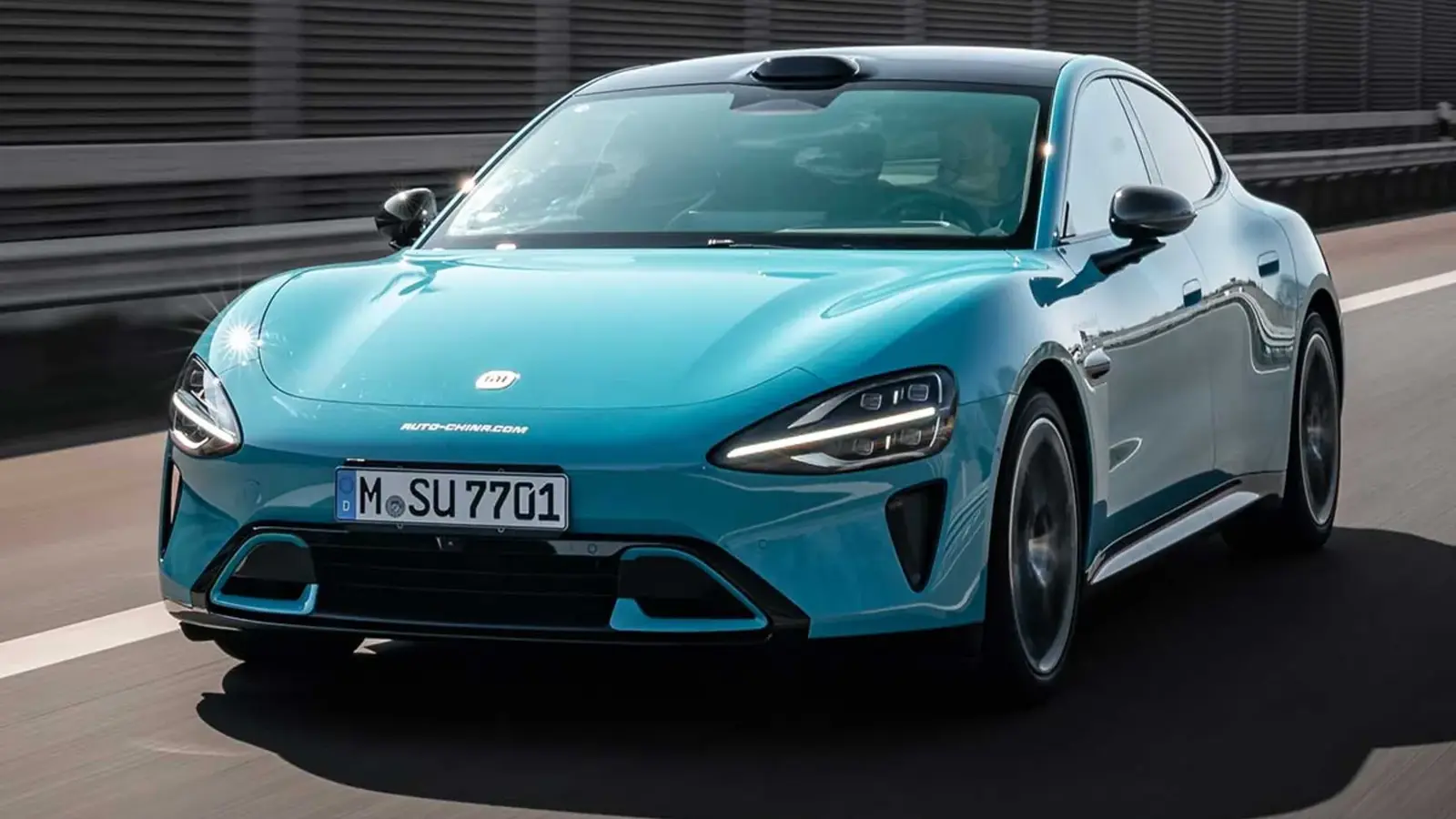
Xiaomi’s first serious shot at the electric sedan market is gathering pace fast. Just 48 days after the updated Xiaomi SU7 went on sale on March 20, the company says it has already secured more than 80,000 locked in orders, meaning customers have paid deposits and committed to the car. For a model still carving out its place in a brutally competitive EV market, that is not a soft signal. It is momentum.
The timing makes the story even more interesting. Xiaomi also reported that SU7 deliveries topped 30,000 units in April 2026, a figure that underlines how quickly the brand is moving from headline grabbing launch buzz to actual volume on the road. In the EV business, hype is easy. Deliveries are harder. Xiaomi now appears to have both.
The SU7 range currently comes in three versions, with prices stretching from about €28,100 to roughly €38,800 at current exchange rates. That keeps the car well above the entry level EV crowd, exactly where Xiaomi wants it. The company has already made clear it has no interest in chasing the bargain basement segment below around €12,800, choosing instead to pitch the SU7 as a more premium, tech heavy electric sedan.
For buyers placing orders between May 6 and May 31, Xiaomi is sweetening the deal with temporary purchase offers and financing packages. The Standard and Pro models come with incentives worth around €5,400, while the Max version gets extras valued at about €7,800. These offers include comfort and technology upgrades such as zero gravity seats with massage, extra storage arrangements, and Xiaomi’s HAD assisted driving package.
There is also a five year low interest financing plan on the table. The minimum down payment is about €6,400, and monthly payments start from roughly €400. That kind of finance offer matters because it lowers the psychological barrier for buyers who like the SU7’s design and gadget loaded cabin but may not want to pay a large lump sum upfront.
Small changes, big signals
Xiaomi has also quietly revised the SU7 lineup. From May 6, several configuration changes took effect, and they reveal something manufacturers rarely say out loud: once the order data starts speaking, the catalogue gets trimmed.
Some exterior colours have been dropped, including certain magenta and black finishes on lower trims. The Max variant also loses its special edition styling package. Wheel choices have been tightened too, with 20 inch setups now limited to selected versions and paint combinations. A few interior and exterior pairings have also disappeared from the order sheet.
This is usually less about aesthetics and more about manufacturing discipline. Carmakers simplify combinations when demand patterns become clear, especially when they want to accelerate production, reduce complexity, and keep delivery times under control.
Under the skin, the fundamentals remain the same. Xiaomi continues to use its V6S Plus motor family across the range. The Standard and Pro versions produce 235 kW, while the range topping Max uses a dual motor layout pushing output to 508 kW. That gives the flagship the kind of punch expected from performance focused electric sedans trying to blend everyday usability with straight line theatre.
Battery sizes vary depending on trim. The Standard model uses a 73 kWh pack, the Pro gets 96.3 kWh, and the Max carries a 101.7 kWh battery. Official CLTC range figures stand at 720 km for the Standard, 902 km for the Pro, and 835 km for the Max. As always, real world numbers will be lower, but even allowing for that, Xiaomi is clearly aiming to make range anxiety a weaker argument against the car.
The SU7 is not a small sedan either. It stretches to 4,997 mm long and rides on a 3,000 mm wheelbase, giving it the road presence and cabin proportions expected in the upper midsize EV class. Inside, Xiaomi leans heavily into its consumer tech roots with a 16.1 inch central touchscreen, a 7.1 inch rotating instrument display, and a head up display. LiDAR and Xiaomi HAD assisted driving hardware are included across the lineup, reinforcing the company’s message that advanced tech should be central to the product, not treated as an expensive afterthought.
Recent sales data adds a little texture to the picture. According to China EV DataTracker, Xiaomi Auto posted domestic sales of 21,440 units in March 2026, down 26.7 percent year on year, after 39,002 units in January and 20,414 units in February. The company’s monthly high point came in December 2025 with 50,212 units, while market share over that period fluctuated between 1.3 percent and 2.5 percent. Those numbers suggest a brand still finding its rhythm, but April’s delivery result above 30,000 units hints at renewed traction.
There is another reason this matters. Xiaomi is not stopping with the SU7. The Xiaomi YU7 GT is due for an official launch in late May 2026, which means the company is moving beyond a one car experiment and toward something that looks much more like a real EV portfolio. That shift changes the conversation. The SU7 is no longer just a bold first attempt from a smartphone giant. It is becoming the foundation stone of a broader automotive push.
And that is why the 80,000 order mark matters. Not simply because the number is large, but because it shows Xiaomi has managed to turn curiosity into commitment at a speed many legacy brands would envy.

“I cover automotive innovation, electric vehicles, and the future of mobility — where technology meets sustainability.”

Discussion
Leave a Comment