
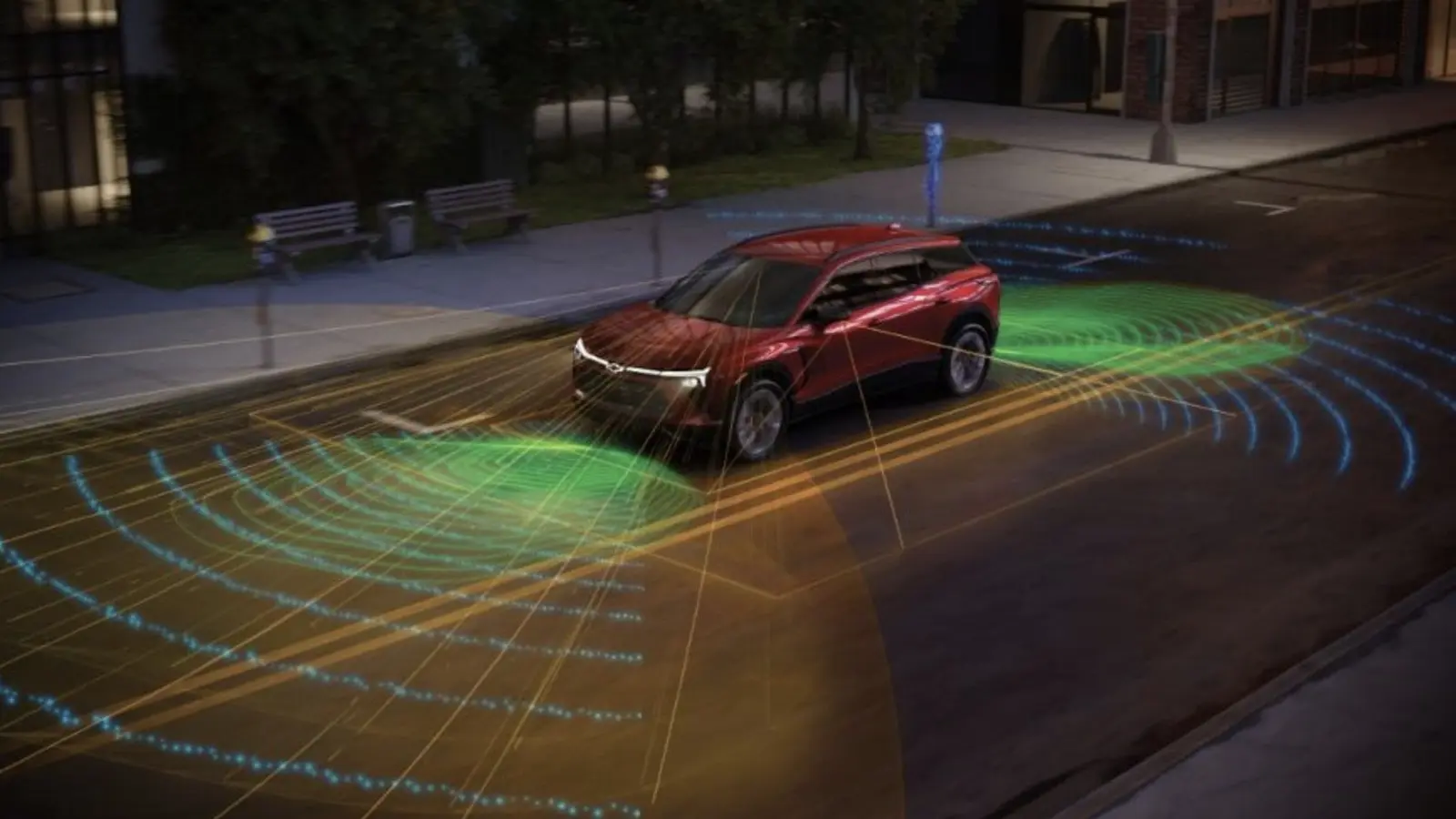
Zero crashes? It is the kind of promise that looks perfect in a keynote slide and even better in a press release. In the real world, though, traffic is messy, drivers are unpredictable, and even the smartest safety tech has limits.
That is what makes General Motors’ latest safety study both useful and easy to oversell. GM has shared fresh research from the University of Michigan Transportation Research Institute, based on data from 12 million GM vehicles built between 2020 and 2024 and more than 700,000 police reported crashes across 18 US states. The message is clear: advanced driver assistance systems can reduce certain types of crashes and injuries in meaningful ways.
And to be fair, the numbers are solid. Vehicles equipped with a full set of backing technologies, including reverse automatic braking, rear cross traffic alert, rear park assist, and a rear vision camera, saw backing crashes fall by 86 percent. Automatic emergency braking was linked to a 57 percent drop in rear end crashes. Front pedestrian braking reduced injury related pedestrian crashes by 35 percent. Lane keep assist cut roadway departure crashes by 15 percent, while lane change alert lowered lane change related crashes by 13 percent.
Those are not small gains. They matter, especially in everyday driving where a split second of distraction can turn into a bent bumper, a hospital visit, or worse. Susan Owen, GM technical fellow for safety data analytics and field research, said the findings show the company’s safety technologies are doing what they were built to do: helping drivers avoid crashes and reduce injuries in daily use.
That part rings true. The leap from fewer crashes to zero crashes is where things start to wobble.
Safety tech helps. It does not perform miracles.
The UMTRI study focused on specific crash scenarios where driver assistance features are designed to intervene: rear end collisions, roadway departures, pedestrian incidents, lane change crashes, and backing accidents. In other words, this is not a study proving cars can erase road danger. It is a study showing that targeted systems can reduce targeted risks.
That distinction matters. A lot.
Driving is not a closed system. It is a constant negotiation between weather, road design, visibility, fatigue, speed, judgment, maintenance, traffic flow, and plain old human error. Some crashes happen because a driver glances at a phone. Others happen because someone is drunk, exhausted, reckless, or simply driving too fast for the conditions. No software package can fully neutralize all of that, at least not on today’s roads with today’s mixed traffic.
Even GM’s own data tells a more restrained story than the company’s broader mission statement. Yes, some systems slash crash rates dramatically. Others deliver more modest gains. A 13 percent reduction or a 15 percent reduction is valuable, but it is not even close to elimination. It is progress, not perfection.
There is also the affordability question, and it is impossible to ignore. GM notes that some of the safety systems highlighted in the study are available on vehicles priced below about €27,600, including models such as the Buick Encore GX, Buick Envista, Chevrolet Trax, Chevrolet Trailblazer, and Chevrolet Bolt. That is encouraging. Yet the fuller the safety suite, the higher the final price tends to climb, and that means the most advanced protection is still easier to access for some buyers than others.
Then there is the broader traffic ecosystem. Even if one automaker built a near faultless car, that vehicle would still share the road with older cars, cheaper cars, poorly maintained cars, distracted drivers, aggressive drivers, cyclists, pedestrians, and everyone else who makes public roads so unpredictable. One brand cannot engineer its way out of the chaos alone.
So yes, GM deserves credit for investing in research and for showing that driver assistance systems produce measurable real world benefits. That is important, and it is far better than vague claims with no data behind them. But the company’s long standing ambition of a future with zero crashes belongs more to the language of branding than to the language of transport reality.
The smarter takeaway is simpler and more useful. Modern safety features are worth having. They can prevent accidents. They can reduce injuries. They can save lives. But they are still backup, not magic. The first line of defense remains the person behind the wheel, awake, attentive, sober, and willing to follow the rules of the road.
That may not sound as futuristic as a zero crash mission. It just happens to be true.

“Cars are evolving faster than ever. I cover electric vehicles, smart mobility, and the future of transportation worldwide.”

Discussion
Leave a Comment