
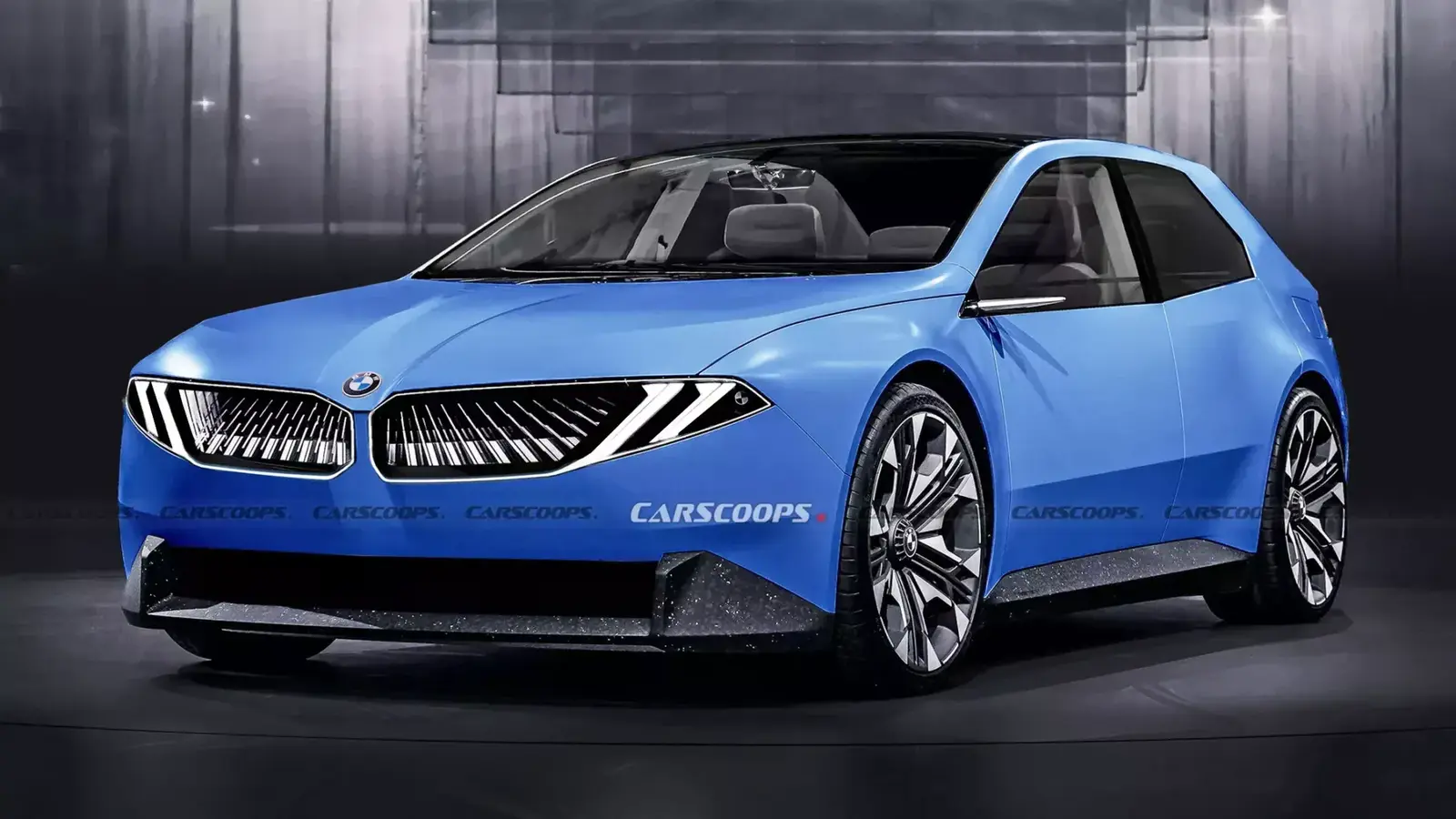
BMW is preparing a rather unusual future for the 1 Series. On paper, it will remain one model line. In reality, it is about to become two very different cars wearing the same badge. One will stick with combustion power and familiar front wheel drive roots. The other is set to go electric with a rear driven character that could give the smallest BMW a very different feel on the road.
The next generation BMW 1 Series is expected to arrive in 2028 as part of the brand’s wider product overhaul. That matters, because this is not a niche hatchback tucked away at the edge of the lineup. BMW reportedly sold close to 200,000 units of the 1 Series last year, making it one of the company’s most important compact models and a key piece of its volume strategy in Europe and beyond.
According to reports, BMW plans to offer the redesigned hatchback with petrol, plug in hybrid, and fully electric powertrains. That broad approach reflects the market as it stands today: some buyers are ready to go fully electric, others still want traditional engines, and plenty are landing somewhere in the middle. BMW seems determined to cover all three.
What makes the story more interesting is that the electric version will not simply be an EV conversion of the regular 1 Series. It is expected to sit on a different architecture, even if the design and naming stay closely aligned with the combustion model. In other words, these two cars may look related in the showroom, but underneath they will have very different engineering philosophies.

Same badge, completely different attitude
The petrol and plug in hybrid 1 Series models are expected to continue on BMW’s UKL2 platform, the same front wheel drive based architecture used by the current car. Reports suggest the familiar 1.5 litre and 2.0 litre petrol engines will carry over, joined by a new plug in hybrid option. That hybrid is said to pair the larger engine with a sizeable battery, potentially delivering around 97 km of electric only range. For everyday commuting, that would make it a much more convincing electrified option than many current compact plug in hybrids.
The EV, however, is shaping up as a different animal. It is tipped to use BMW’s Gen6 electric architecture, described as rear biased in its layout. That could restore a dynamic trait enthusiasts have long associated with the brand, even in a smaller entry level model. If the report holds true, the standard electric 1 Series may borrow from the entry level BMW iX3 40, using a rear mounted motor with 316 hp and 500 Nm of torque. Those are serious numbers for a compact hatch.
There is also talk of a hotter M flavored version using a dual motor all wheel drive setup. Output could rise to 463 hp and 645 Nm, which would place it firmly in serious performance hatch territory. If BMW follows through, the electric 1 Series would not just be a clean alternative to the petrol car. It could end up being the more exciting one.
Visually, the next 1 Series is expected to move into the Neue Klasse era, taking cues from the latest i3 and iX3 design direction. BMW design boss Oliver Heilmer has hinted that the hatchback will not be a carbon copy of those models, though. It is expected to get its own interpretation of the new styling language, possibly including a distinct grille treatment and unique surfacing. That should help preserve some individuality in a lineup that is heading toward a more unified family look.
One intriguing rumor refuses to go away: the return of a three door 1 Series. If it happens, reports suggest it may be reserved exclusively for the electric version. That would be a fascinating twist, especially at a time when compact three door hatches have become increasingly rare. For buyers craving something sportier and less practical, BMW may be tempted to bring back a little bit of old school charm in a very modern package.
Inside, the changes are expected to be easier to predict. The next 1 Series will likely adopt BMW’s Panoramic iDrive setup, bringing a new steering wheel, a wide pillar to pillar display arrangement, and a 17.9 inch central infotainment screen. It should give the compact hatch a cabin that feels much closer to BMW’s latest premium models, with a stronger focus on software, digital interfaces, and cleaner dashboard design.
Battery details for the electric version remain unclear, but expectations point to a smaller pack than the one used in larger i models. That is said to be down to cost and packaging limitations, which makes sense in a compact hatchback where efficiency, cabin space, and affordability all matter. The motors may be shared with other BMW EVs, but the battery strategy will likely be tailored to the realities of this segment.
So yes, the next BMW 1 Series may wear one familiar name. But underneath, it looks set to split into two distinct personalities. One will continue as a practical premium hatch with petrol and plug in hybrid options. The other could finally give BMW’s smallest car a rear driven electric edge. Same badge, very different heartbeat.

“I cover automotive innovation, electric vehicles, and the future of mobility — where technology meets sustainability.”

Discussion
Leave a Comment