
MINI is not standing still. While the current lineup still feels fresh, the brand is already deep into its next wave of changes, and this time the story goes well beyond a routine mid cycle refresh.
Holger Hampf, who took over as MINI design chief in October 2024 after arriving from BMW Designworks in California, says facelift work is almost complete. More importantly, he has made it clear that his fingerprints will show up on the range sooner than many expected. In his words, an upcoming LCI will be the first real glimpse of that influence.
That matters because MINI is in an interesting phase. The latest Cooper and Countryman only arrived in 2023, and the Aceman followed in 2024, yet the brand is already preparing the next visual and technical updates. If the current timeline holds, the Cooper and Countryman should be first in line for facelift revisions around late next year, with the Aceman expected to follow later in the decade.
But the bigger signal is what comes next. Development on the next full generation of MINI models has already begun, with the new era of cars expected in the early 2030s. That tells you MINI is not just tweaking trim and lights. It is mapping out what the brand should look like in a market that is changing fast, especially as electric mobility, lifestyle branding, and performance identity continue to overlap.

MINI wants a little more mud on its shoes
One of the more intriguing clues from Hampf is the possibility of an off road flavored MINI. He pointed to the growing appeal of outdoor living, road trips, and escaping the city for a few days in nature. That is a familiar trend across the industry, but it feels particularly interesting coming from MINI, a brand more associated with urban style than rough trail ambition.
The most obvious candidate is the Countryman. It is currently the only MINI in the range available with all wheel drive, and its taller stance gives it the right starting point. Whether this turns into a tougher visual package, a genuine soft roader, or something in between remains to be seen. Either way, it suggests MINI sees room to stretch its identity without losing the core shape of the brand.
And then there is the performance side. Hampf hinted that the John Cooper Works lineup still has space to grow, describing it as having room at the top. That language is telling. He even compared the idea to the gap BMW creates between its M cars and the sharper M Competition versions, which strongly suggests MINI is exploring a more aggressive JCW model above the current range.
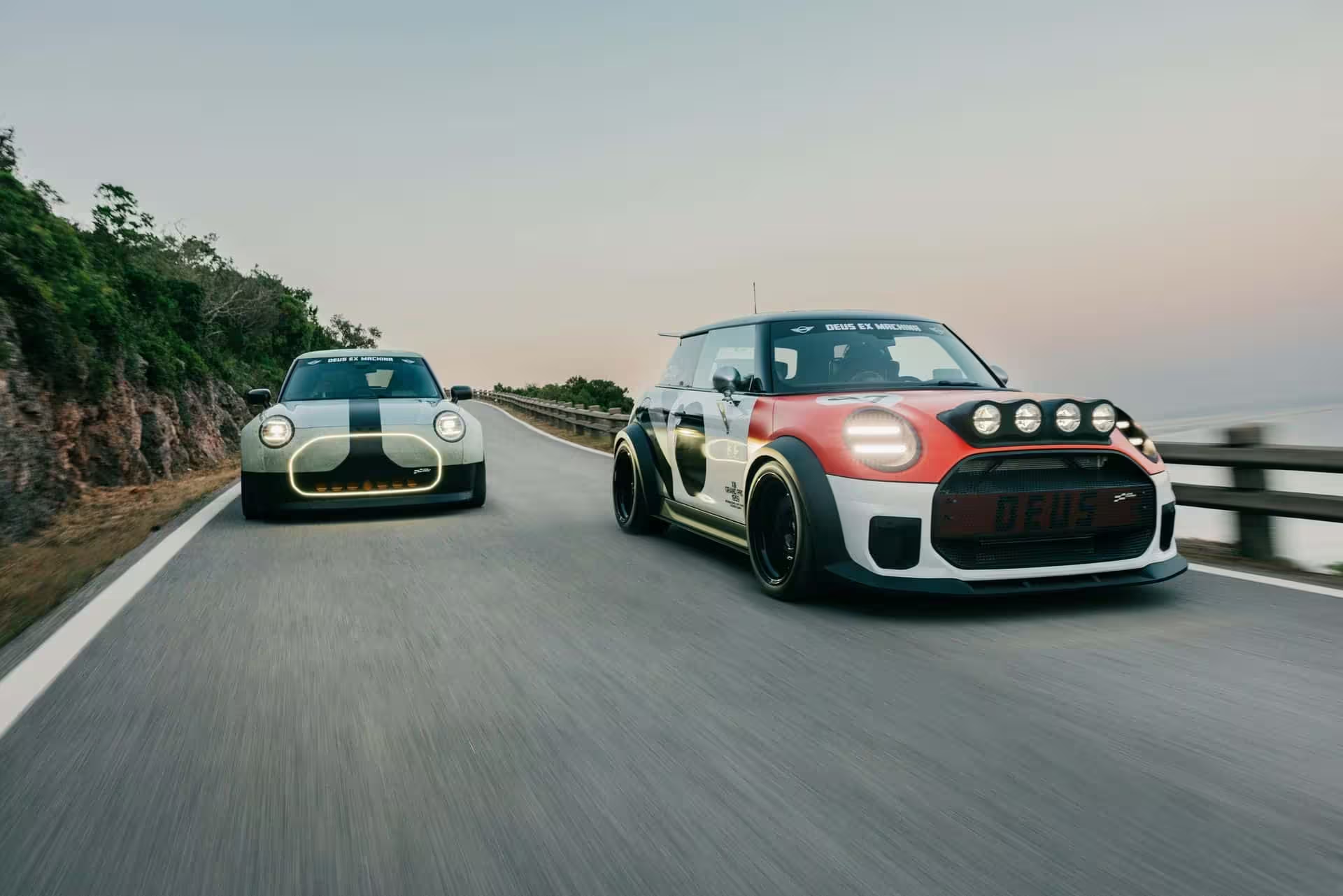
This does not appear to mean a return of the stripped out GP formula. Instead, the direction seems more likely to blend road car usability with a harder visual edge and extra performance. Think something more focused, more dramatic, but still usable beyond a track day.
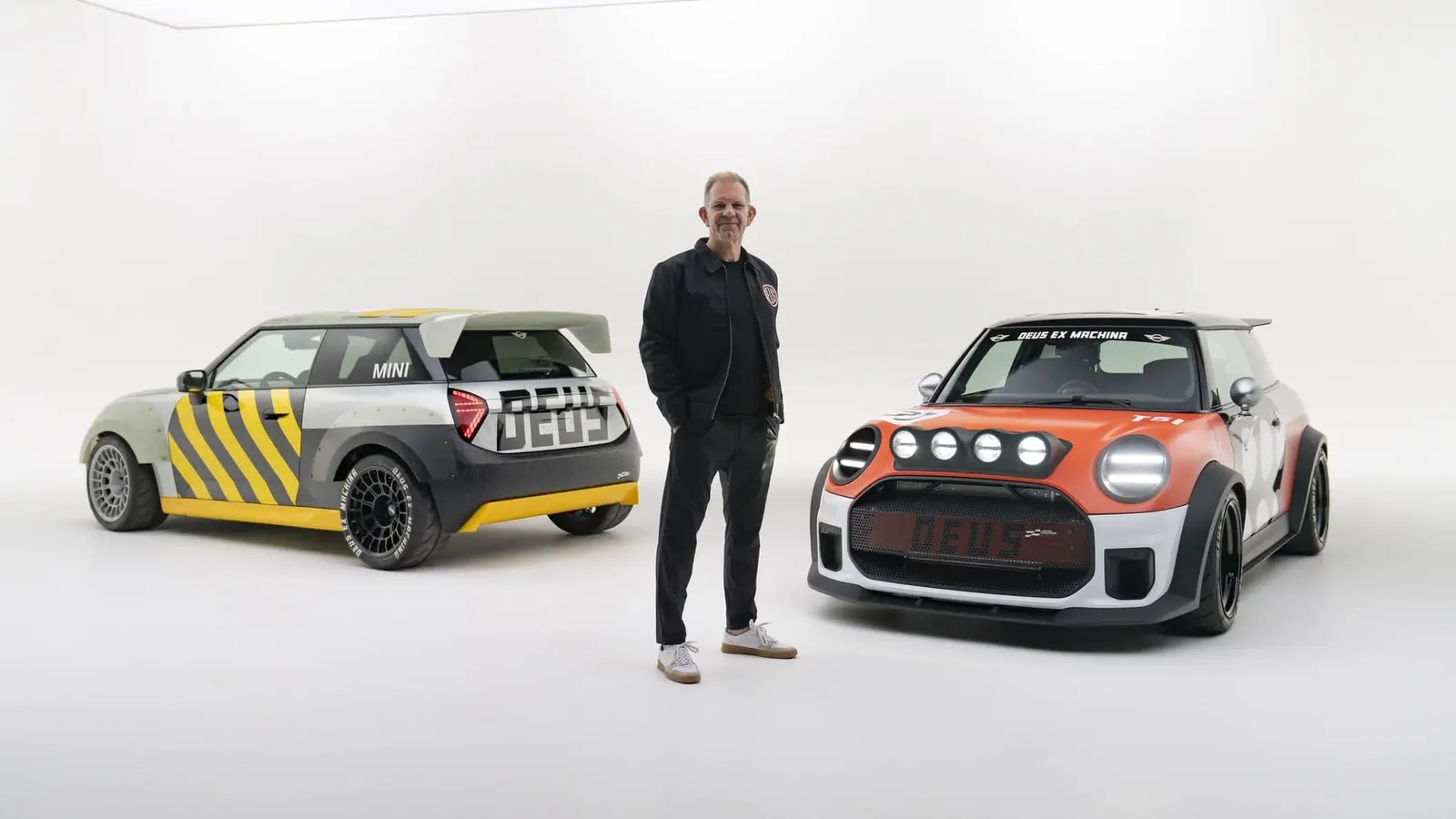
There is already a clue to that future in MINI's collaboration with Deus Ex Machina. The Skeg and The Machina concepts pushed the brand into more expressive territory with chunkier tyres, larger spoilers, and a tougher stance. Hampf described those cars as an experiment, but not an empty one. The positive reaction they received appears to have opened the door to toned down production versions.
That may be the most revealing part of all. MINI is not simply refreshing a few cars and waiting for the next product cycle. It is testing how far buyers will let the brand roam, from urban chic to adventure ready, from playful hot hatch to something a bit more unruly. For a company built on personality, that could be exactly the right move.

“Cars are evolving faster than ever. I cover electric vehicles, smart mobility, and the future of transportation worldwide.”

Discussion
Leave a Comment