
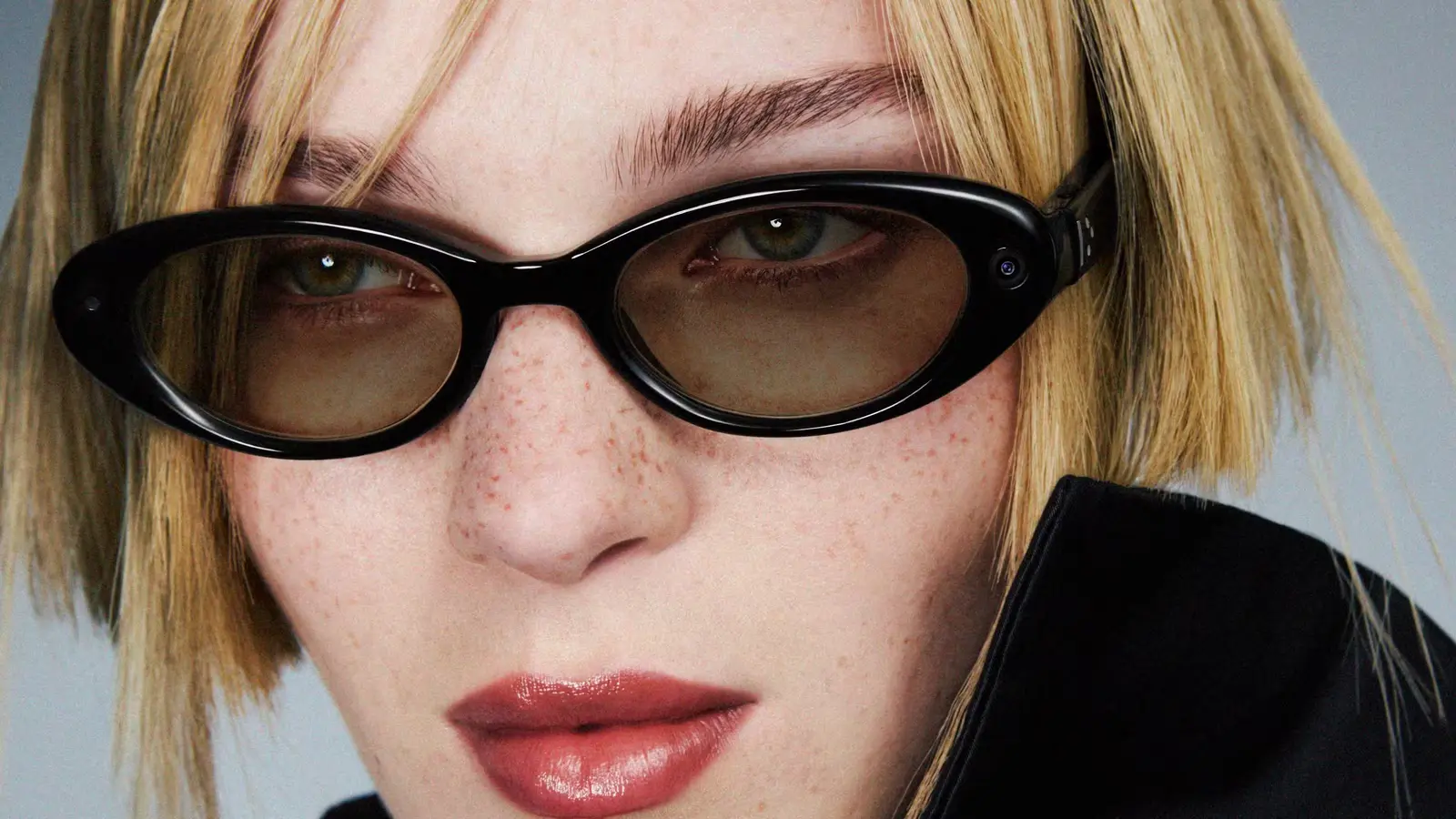
For years, smartglasses have been stuck in the same awkward place: technically impressive, socially risky. The hardware kept improving, the software kept getting smarter, but the one thing that made people hesitate was brutally simple. They looked weird.
Google and Samsung may have just cracked that problem wide open.
At Google I/O 2026, Samsung finally pulled back the curtain on its first smartglasses, and the real headline was not the processor or the XR software. It was the design. Instead of forcing everything in-house, Samsung handed the frame work to eyewear specialists Gentle Monster and Warby Parker, while Google provided the Android XR platform and Samsung handled the hardware.
That division of labor matters more than it might seem. It is a quiet admission that smartglasses are not a normal gadget. They are worn on your face, every day, in public. If they miss the style mark, the product fails before anyone even tries the features. This is not a phone in your pocket. It is part of your identity.
And that is exactly why this partnership feels smart. The eyewear brands know how glasses are supposed to sit, feel, and look. Google knows the software stack. Samsung knows how to build the hardware and connect it to the Galaxy ecosystem, giving the whole category a familiar home people already trust.
Design is the real battleground
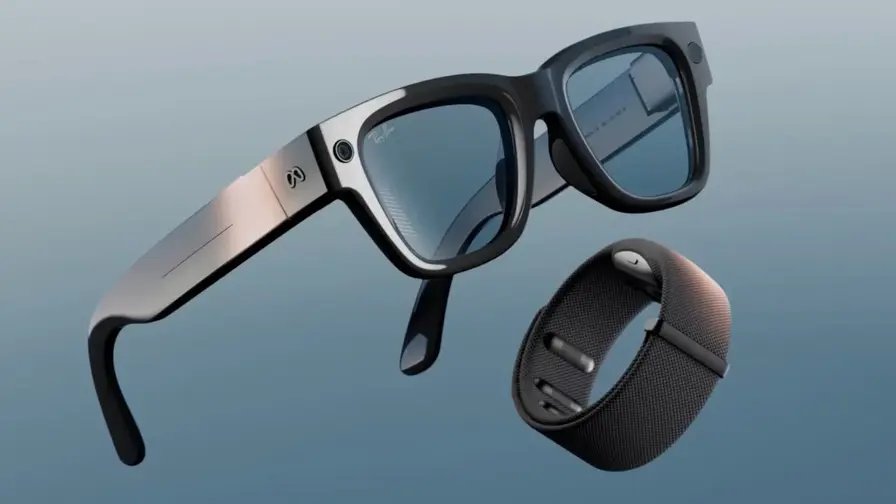
For now, the most obvious comparison is Meta’s Ray-Ban smartglasses, which helped turn the Wayfarer-style frame into the default look for the category. That makes sense. It is a flattering shape, familiar enough to feel safe, and stylish enough to pass as normal. But it has also made smartglasses design feel repetitive.
Warby Parker’s take is a small but important break from that formula. The bridge design is different, using a keyhole bridge rather than the more common top-of-the-nose fit. It changes the silhouette just enough to give the glasses their own personality. Early images also show clear lenses rather than sunglasses, and that choice says a lot.
Sunglasses sell the fantasy. Regular glasses sell the habit.
By presenting the frames as everyday eyewear, Warby Parker is making a stronger argument for mass-market adoption. These are not just for beach days, influencer posts, or polished product shots. They are for people who already wear prescription glasses, or who simply want a pair that does not scream gadget from across the room.
That understated approach may be exactly what Google and Samsung need. Smartglasses will never scale if they remain costume pieces.
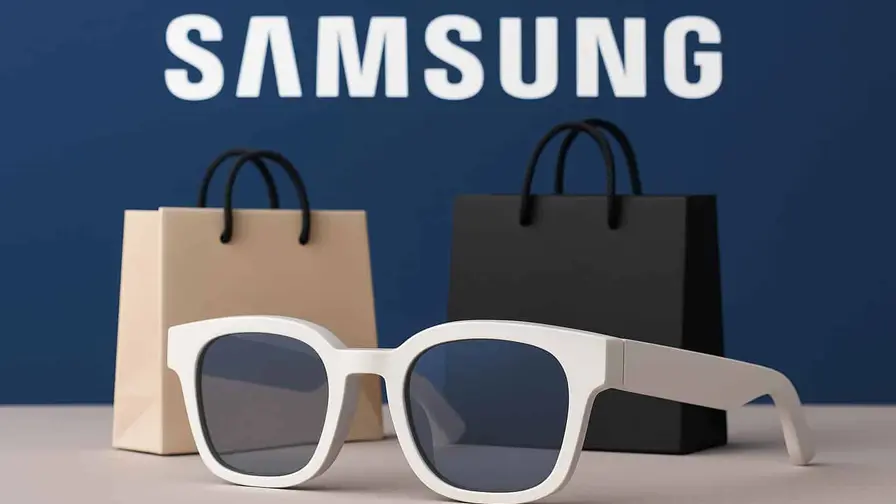

Gentle Monster brings the heat
If Warby Parker is the safe, everyday choice, Gentle Monster is the one that gives the whole project edge.
The South Korean eyewear brand carries serious cultural weight, especially among younger buyers, and it has built its reputation on fashion-forward designs that feel more runway than retail shelf. It is also no stranger to celebrity-driven momentum. Its work with Blackpink’s Jennie became so influential that the frames were widely nicknamed “Jennie glasses,” and the brand has since deepened its ties to K-pop through artists like Stray Kids’ Felix and Taeyeon.
Gentle Monster has also shown that it understands collaboration as more than branding fluff. It has teamed up with game companies on projects tied to titles like Overwatch, Tekken 8, and World of Warcraft, and it has already experimented with smartglasses before through a Huawei partnership. That history matters. It suggests this is not a fashion label dabbling in tech for attention. It is a brand that knows how to make tech look desirable.
That may be the most important ingredient of all.
Samsung and Google do not need one pair of glasses that pleases everyone. They need several distinct options that speak to different buyers, different aesthetics, and different levels of comfort. Some people will want something low-key and familiar. Others will want something bold, fashionable, and unmistakably current. The first reveal suggests they understand that.
And there is more on the way. These early models are only the beginning, with additional smartglasses expected before the end of 2026.
That is where things start to get interesting. The category is no longer drifting toward a single safe design. It is branching out. Google has spent time building Android XR with a practical, usable foundation. Samsung has avoided treating smartglasses like a quick cash grab. And the design partners bring credibility that tech brands often lack when they try to invent style from scratch.
Maybe that is what has been missing all along. Not better cameras. Not more AI. Not even better batteries.
Just glasses people actually want to wear.
If Samsung, Google, Gentle Monster, and Warby Parker can make that happen at scale, 2026 could be remembered as the year smartglasses finally stopped looking like prototypes and started looking like products.

“Some times I write about breakthrough startups, digital ecosystems, and how innovation is changing the way we build businesses.”

Discussion
Leave a Comment
Comments (2)
wait, handing frames to fashion brands fixes the social awkwardness? sounds plausible, but privacy, camera creep and price are still huge hurdles. who's testing the real UX?
Wow, these actually look wearable... finally something you'd actually wear daily. Curious about battery tho, hope it isnt bulky