

Hybrid demand is booming, but Hyundai has run into the kind of heat no carmaker wants. The company is recalling 54,337 Elantra Hybrid sedans from the 2024 to 2026 model years after identifying a fault that can cause the hybrid power control unit to overheat, and in rare cases, trigger a fire.
At the center of the recall is the HPCU, a key part of the hybrid system. According to filings with the National Highway Traffic Safety Administration, a metal oxide semiconductor field effect transistor inside the unit can overheat when electrical loads climb too high. For most drivers, that could mean the car refuses to start or suddenly drops into limp mode. In a small number of cases, though, the overheating may lead to localized thermal damage inside the assembly itself.
That is where the concern shifts from inconvenience to safety. Hyundai says it first became aware of the problem in December 2024 and began a closer examination of an affected vehicle in early 2025. Engineers carried out several teardowns and found the same transistor failure point repeatedly, which helped narrow the issue down to the software managing the system.
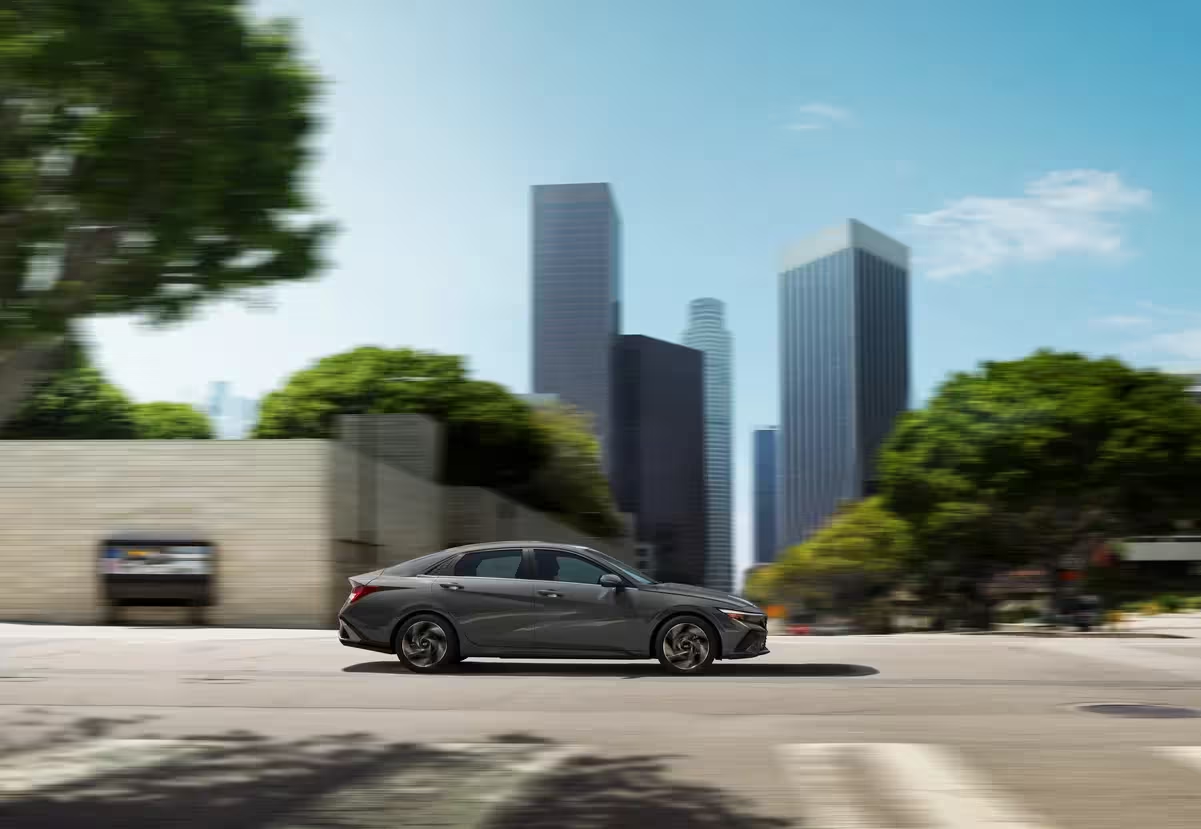
What Hyundai says went wrong
The investigation concluded that the vehicle software may not cool the HPCU sufficiently under certain conditions. In plain terms, the hardware can get hotter than it should because the control strategy is not doing enough to keep temperatures in check. Hyundai’s fix is relatively straightforward: owners will need to visit a dealership for a software update to the hybrid power control unit.
Owner notification letters are expected to be sent in mid July. Hyundai has linked four incidents to the defect so far. Only one involved a fire, and the automaker says there have been no reported crashes or injuries connected to the issue.
The recall lands at an awkward moment for the market. Hybrids are enjoying a strong resurgence as many buyers look for relief from fuel costs without committing fully to an electric vehicle. That makes the Elantra Hybrid an important model for Hyundai, especially as consumers increasingly expect electrified cars to deliver not just efficiency, but rock solid reliability as well.
For affected owners, the message is simple: do not ignore recall notices. Even when the remedy is only a software update, problems tied to overheating components deserve quick attention. In this case, Hyundai appears to have caught the issue before it turned into something larger, but a fire related recall is never the kind of headline any automaker wants attached to one of its most efficient sedans.

“I cover automotive innovation, electric vehicles, and the future of mobility — where technology meets sustainability.”

Discussion
Leave a Comment