
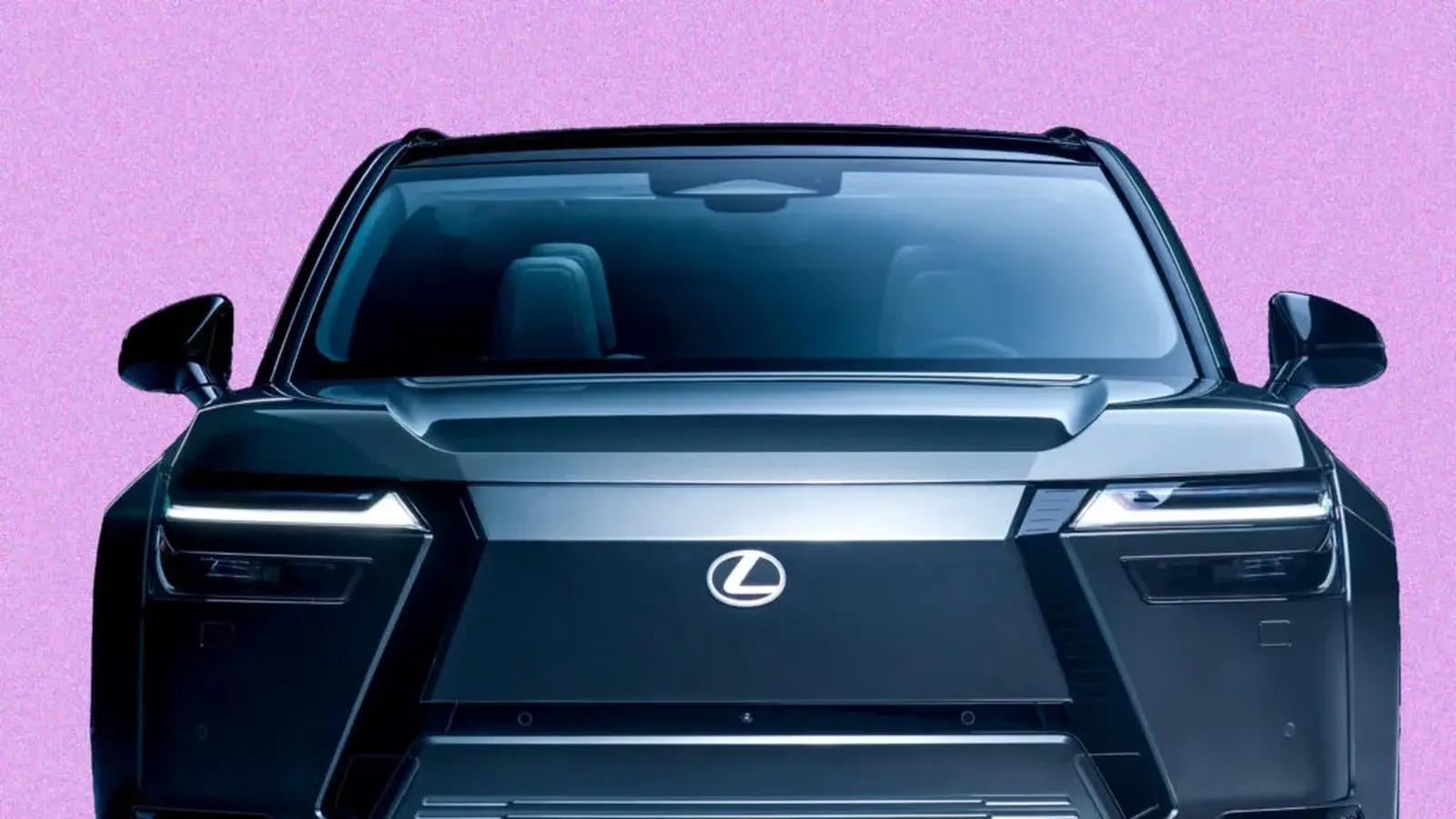
The quiet back-channel business of car brokers is running into a wall, and New Jersey is where the crackdown is getting loud. Toyota, Mazda, Kia, Lexus, and Nissan are all tightening the screws on dealer transactions linked to brokers, especially in places where those middleman deals are banned outright.
For years, brokers have occupied a murky corner of the car business. They connect shoppers with dealerships, line up leases or purchases, and collect a fee for making the deal happen. Buyers often like the convenience. Dealers sometimes like the volume. But regulators and automakers are now signaling that the arrangement has drifted far beyond what they are willing to tolerate.
That shift is no longer subtle. Several major brands have recently sent warnings to retailers, making it clear that brokered transactions can trigger real consequences. According to industry reporting, Toyota, Kia, Mazda, and Lexus have all reinforced rules limiting or prohibiting these deals. Nissan has done the same, while also reminding dealers that brokered sales will not help with factory allocation or sales targets. In plain English, a dealer may take the risk but still lose the reward.
The financial exposure could be brutal. Toyota Financial Services, Lexus Financial Services, and Mazda Financial Services have reportedly told dealers they will not buy lease or finance contracts tied to brokered deals originating in New Jersey. If one of those contracts slips through anyway, the dealer may be forced to take it back. In more serious cases, a retailer could even face termination of its franchise agreement with the automaker.
That threat matters because broker activity appears to have grown sharply, particularly across the Northeast. Some retailers say brokers now influence a huge share of regional business. One New Jersey dealer admitted that brokers had eaten away roughly half of his primary market. The proof, he suggested, shows up later when customers who arranged their purchase elsewhere still return to the local store for service and maintenance.
Why the industry suddenly cares
The fight is not really about paperwork. It is about control. Automakers and many dealers argue that brokered transactions can distort franchise rules, scramble allocation systems, and create an uneven playing field between retailers. If one store quietly feeds a stream of broker-driven deals into the system, it may gain access to incentives or inventory in ways competitors see as unfair.
Supporters of brokers tell a very different story. They say brokers save customers time, reduce stress, and strip away the least-loved part of the dealership experience: haggling. For plenty of buyers, that pitch is persuasive. A broker can feel like a shortcut through a process that still strikes many shoppers as exhausting, opaque, or both.
New Jersey regulators are not entertaining that argument right now. Earlier this year, the state Motor Vehicle Commission reminded dealers that brokering new vehicle transactions violates state rules. The warning carried real weight. Dealers were told that continued involvement could put their licenses at risk, a message that sounded far less like routine compliance language and far more like a final notice.
Even so, the retailer community is hardly united. Some dealers want stronger enforcement because they believe rivals are gaming manufacturer programs through broker-heavy sales. Others are more skeptical. They wonder whether automakers will really police the practice consistently, especially when higher volume still helps the brand on paper.
Then there is the obvious problem: proving a broker was involved is not always easy. Unless documents clearly show third-party coordination or payments, many of these transactions can pass through the system looking perfectly ordinary. That gray area helped the practice survive for so long.
Now the mood has changed. What once lived in the industry's blind spot is being dragged into full view. For dealers in states where brokering is restricted or illegal, the message from carmakers and finance arms is becoming impossible to miss: if a deal smells like broker involvement, it may no longer be worth the gamble.

“Cars are evolving faster than ever. I cover electric vehicles, smart mobility, and the future of transportation worldwide.”

Discussion
Leave a Comment