
Two years is a long silence in a field that trades on spectacle, but the quiet around Virgin Galactic is ending with a familiar sight back over New Mexico.
Why the Delta matters
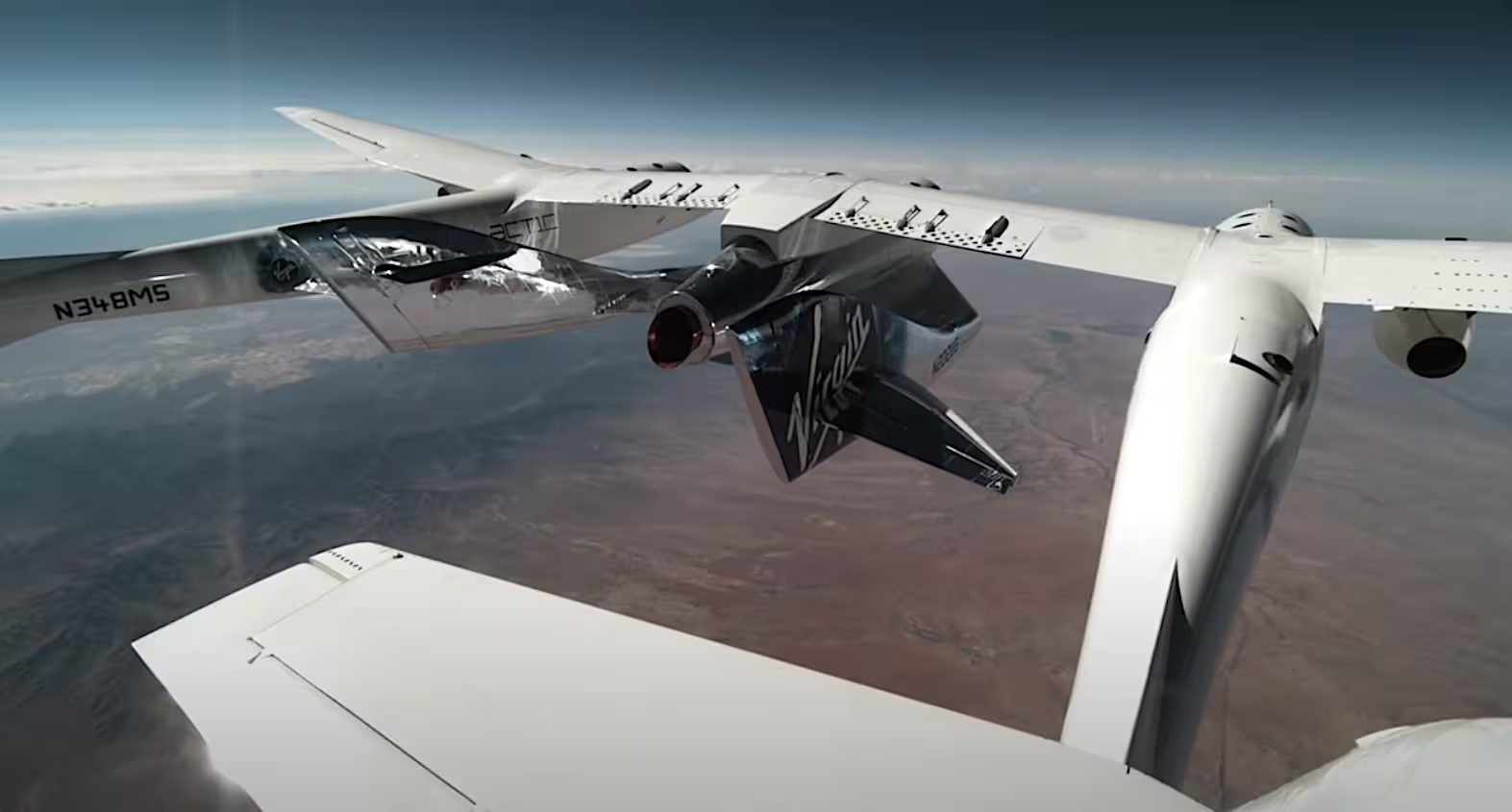
VSS Unity, the company’s lone flying vehicle until now, has been pressed back into service for a purpose that sounds modest and feels crucial: glide rehearsals. Unity logged 12 flights in total, seven of them carrying paying passengers, and last flew in June 2024 before being set aside to make room for the next model. Those numbers are small, but the lessons learned are not.

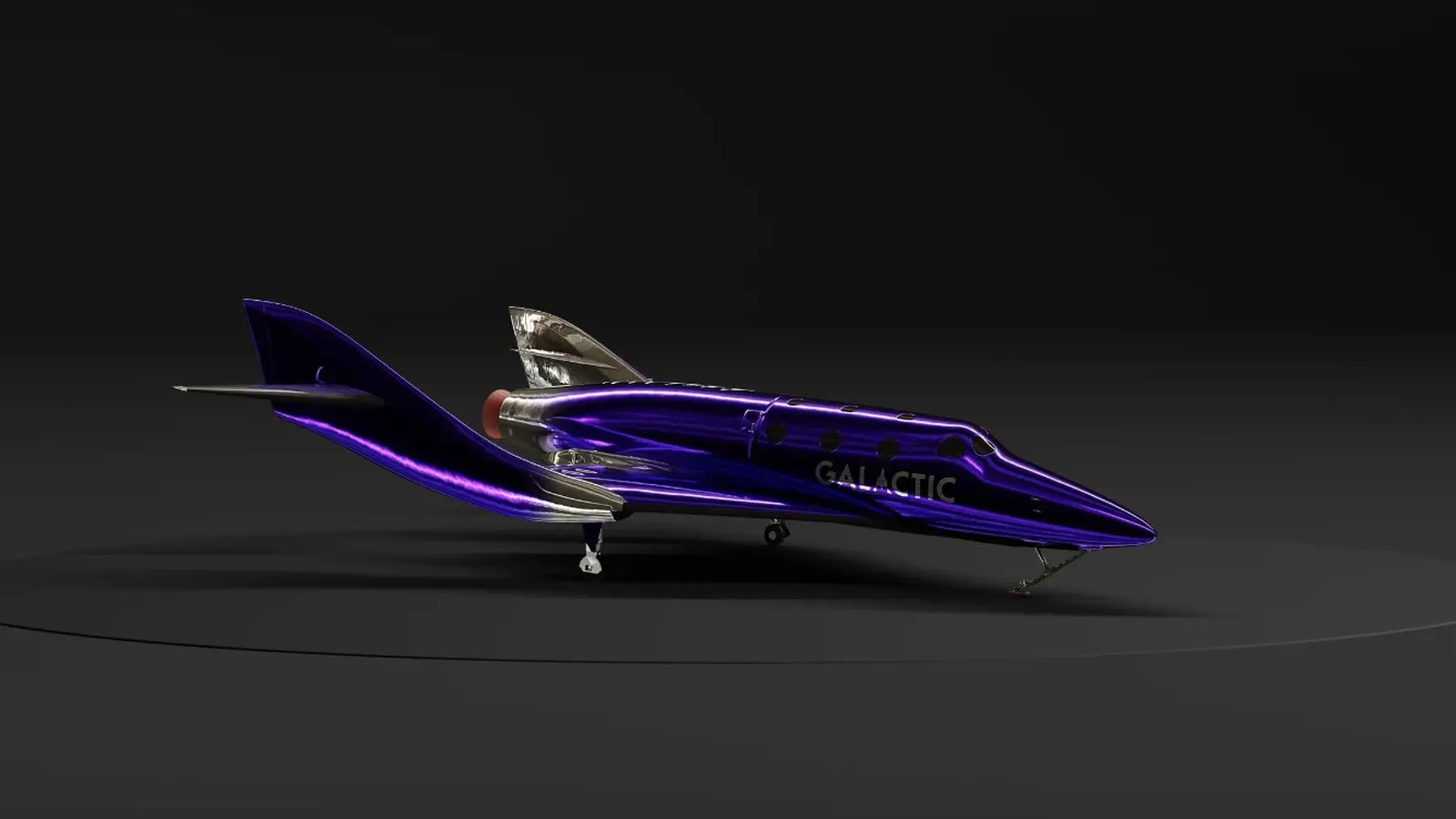
The newcomer, called Delta or simply the Spaceship by Virgin, is an evolution rather than a reinvention. Think of it as a beefed up Unity designed for repeated builds. It is slightly larger, able to take six passengers instead of four, and engineered with mass production in mind. That shift is the company’s bet that scale, not a single headline-grabbing flight, will make the business viable.
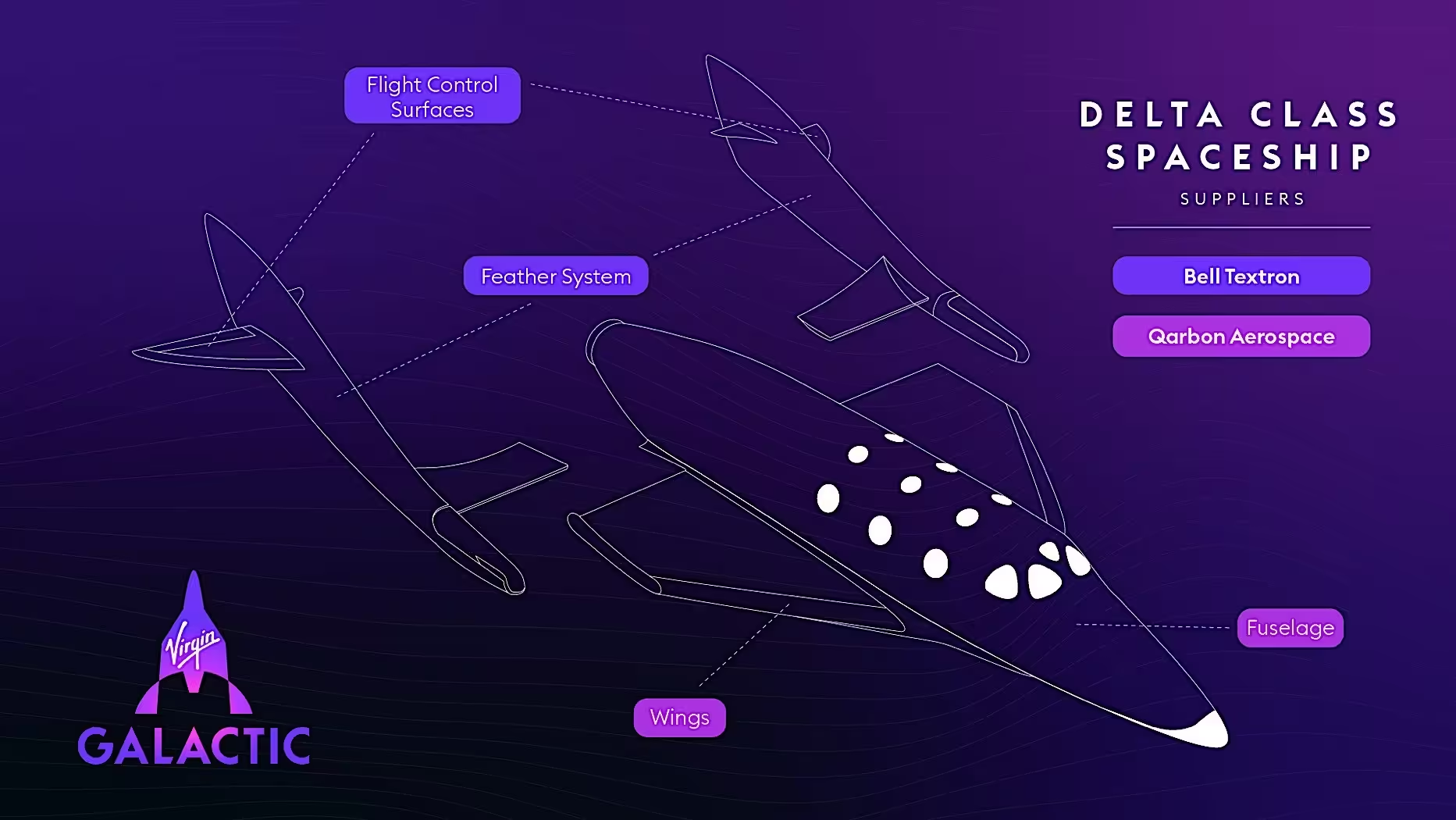
Engineering partners are already on the ledger. Bell Textron handles the feathering system that helps the vehicle re-enter safely, and Qarbon Aerospace is supplying the fuselage and wing assemblies. One Delta hull is slated for glide-only flight testing later this year. If those tests go well, Virgin plans to move into full commercial operations in the last quarter of 2026.
Why use Unity for practice? Because its glide profile, cockpit view, and landing approach mirror the new ship closely. That makes it a practical stand-in as pilots refresh muscle memory and crews run live ops on the ground. Unity’s return to the skies over Spaceport America is as much about training maintenance teams and mission control as it is about wowing spectators.
Production is shifting to a new facility in Mesa, California. Virgin hasn’t revealed how many ships will ultimately be built, but it has confirmed an ambitious usage target: each spaceship is expected to fly twice per week, with a potential lifetime tally of up to 500 missions. That cadence is where the economics get interesting. Regular rhythm could finally move the needle toward profitability, even if tickets remain priced like luxury items for the foreseeable future.
So what happens next? Expect a few months of careful glide trials, followed by more aggressive test flights when Delta moves beyond gliding. If the calendar holds, passengers will once again trade the planet’s pull for a few minutes of weightlessness before the year is out. It will not be ordinary travel overnight, but it will feel less like a rarefied stunt and more like a fledgling transport industry finding its footing.

For anyone watching the space tourism story, the return of Unity to train crews and the rise of the Delta program is the moment the experiment begins to look operational. That’s when excitement and skepticism will both matter, and when routine could finally meet the extraordinary.

“I cover automotive innovation, electric vehicles, and the future of mobility — where technology meets sustainability.”

Discussion
Leave a Comment