
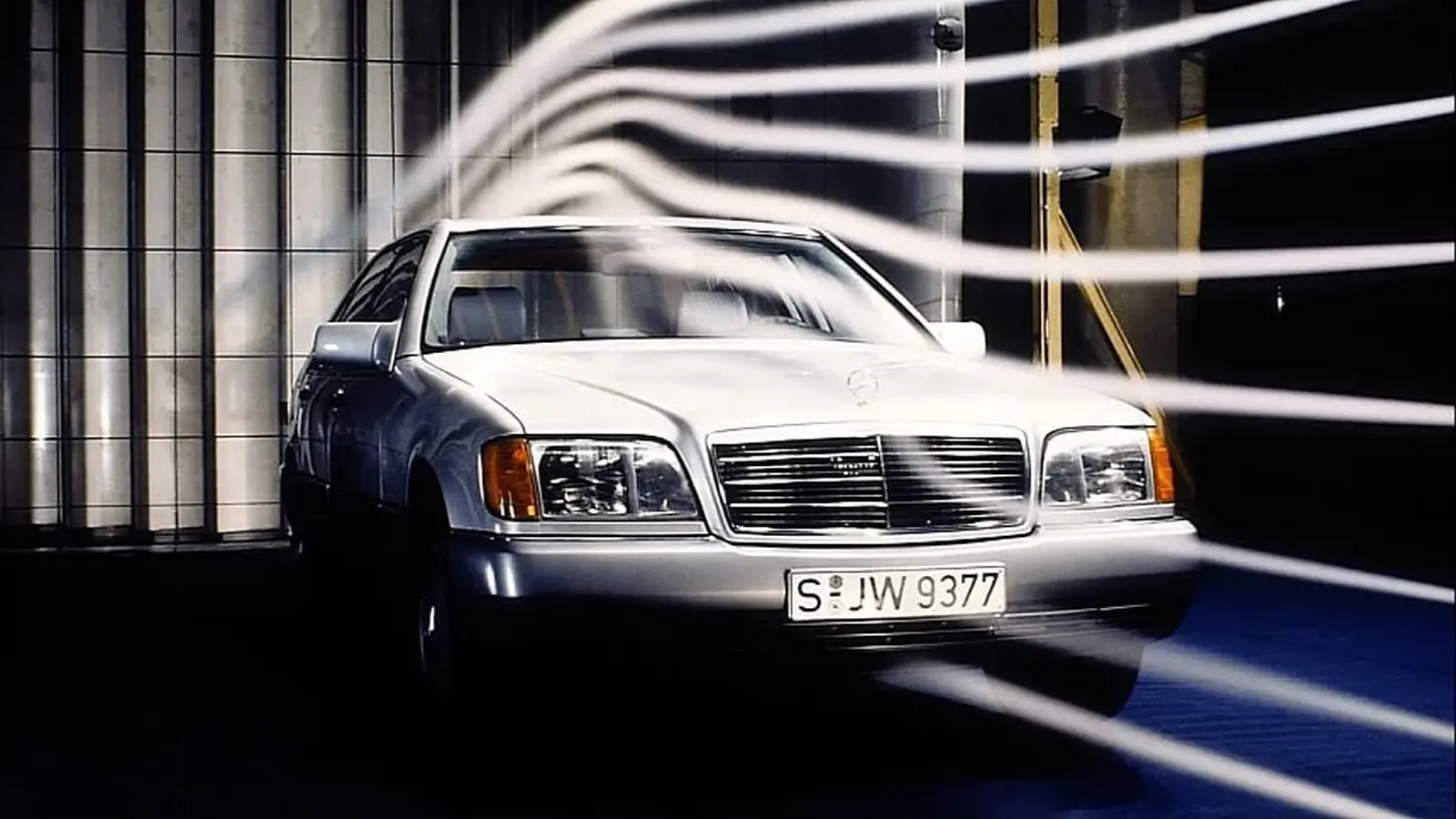
When precision becomes a personality
There is a distinctive strain in German automotive culture: an almost theological belief that if something can be engineered, it must be. That mindset has produced some of the most ingenious, refined and — occasionally — absurd cars ever made. From Stuttgart’s thick-wire harnesses to Ingolstadt’s experimental metallurgy and Munich’s electronic exuberance, German manufacturers repeatedly pushed the limits of refinement until refinement itself became an engineering problem.
This article explores a handful of flagship machines that embody that tradition: cars built to impress engineers first and customers second. They drove beautifully, felt indestructible in the showroom and delivered technological milestones that shaped the luxury market. But when the chips wore out and warranties expired, many owners discovered that brilliance can be expensive to maintain.
We’ll examine six standout examples of German overengineering — the Mercedes-Benz W140 S‑Class, BMW E65 7 Series, Audi A8 D2, Volkswagen Phaeton, BMW 8 Series (E31) 850Ci, and Mercedes CL 600 (C216). For each model I’ll cover what made it special, the systems that defined its complexity, and the long-term trade-offs that prospective buyers and enthusiasts should know. Along the way we’ll touch on performance figures, design choices, service realities and market positioning.
Why “over-engineered” isn’t always an insult
Before diving into the cars, a short distinction: "over-engineered" is often used as a critique, but it can also be praise. In this context it means vehicles where engineering ambition outpaced practical necessity or economic sense. The result is machines that are technically brilliant, sometimes ahead of their time, and sometimes impractical beyond the showroom.
These cars share traits:
- Layered systems where one technology controls or augments another (hydraulics governed by electronics, suspensions controlled by dozens of sensors).
- Use of exotic materials and manufacturing methods that raise complexity and repair cost.
- Feature creep: dozens of convenience and safety features added because they could be, not necessarily because they were needed.
For enthusiasts, these traits make the cars fascinating. For owners who don't enjoy troubleshooting networks of actuators and modules, they can be costly headaches.
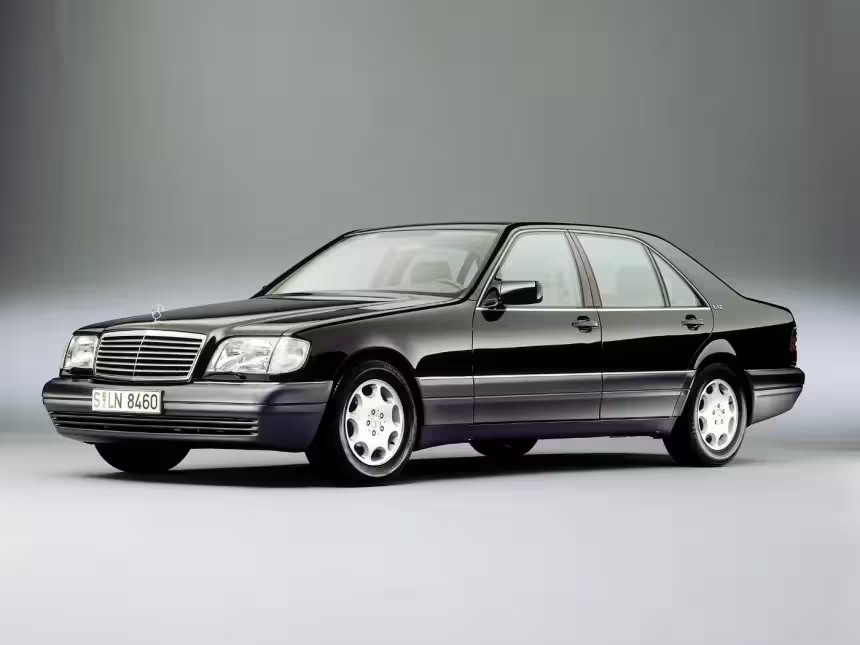
Mercedes-Benz S‑Class (W140, 1991–1998): the epitome of old‑school excess
The W140 S‑Class is frequently invoked when people discuss the era when Mercedes engineers were allowed to build without constant cost control. It was conceived as the ultimate demonstrator of luxury and engineering capability — heavy, quiet, robust and stuffed with innovation. Where contemporaries economized, the W140 doubled down.
What defined the W140:
- Monumental build: curb weights often approached 2.2 tonnes for long‑wheelbase V12s. The car felt like a rolling vault.
- Physical refinement: double‑glazed windows, soft‑close doors, electrically folding mirrors and exceptionally thick wiring looms gave the car a sensory impression of indestructibility.
- Complex suspension: multiple variants featured hydraulic and adaptive systems designed to isolate occupants from all but the most extreme road inputs.
Why it matters: the W140 was a statement. Mercedes wanted to show that the brand could make a limousine that felt like it would outlast modern civilization. It succeeded — both in image and in literal long‑term build quality — but at a cost. Development overruns and rising production expense forced Mercedes to rethink future programs and, ultimately, to prioritize cost control in subsequent generations.
Ownership reality: when everything worked, the W140 delivered a level of comfort and composure few cars can match. When it didn’t, systems such as the soft‑close mechanism, climate controls and various hydraulic components produced high repair bills. Parts are robust but often expensive; complex faults can be time‑consuming to diagnose.
Quick spec snapshot (typical ranges)
- Years: 1991–1998
- Notable engine: V12 and inline‑6/ V8 options; S600 flagship used a V12
- Key features: double‑glaze windows, soft‑close doors, extensive soundproofing, adaptive suspension
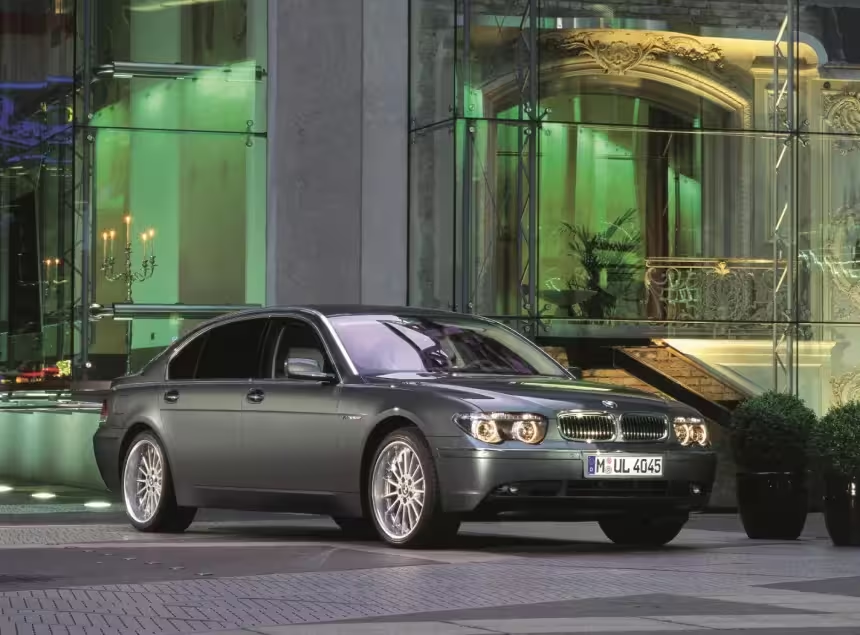
BMW 7 Series (E65, 2001–2008): innovation pushed at full throttle
If the W140 chased perfection by bolstering mechanical solutions with brute mass, the E65 7 Series did it by throwing electronics and software at every problem. This was the BMW that announced a new design language and a new technological philosophy — and simultaneously polarized buyers.
What stands out:
- iDrive debut: a single rotary controller replaced a legion of buttons. It was modern and forward‑looking, but early iterations were clunky and unintuitive, provoking complaints about usability and driver distraction.
- Electronic exuberance: drive‑by‑wire throttles, adaptive suspensions, active anti‑roll systems and elaborate powertrain management made the E65 feel like a rolling lab.
- V12 engineering showcase: the long‑wheelbase 760Li introduced BMW’s most advanced V12s to that point, with technologies like direct injection and advanced valve timing.
Why it matters: the E65 proved that electronics could centralize functions previously handled by discrete switches and mechanical linkages. That philosophy is mainstream today — but BMW learned some lessons the hard way: early software, complex CAN bus networks and a sprawl of control units increased the potential for gremlins.
Ownership reality: maintenance and repairs are often software or electronics–centric. A single faulty sensor or module can illuminate multiple warnings and degrade multiple systems. For early adopters the E65 was revelatory; for cautious buyers it could feel like owning a prototype.
Highlights
- Innovation: first visible step toward modern in‑car HMI (human‑machine interface)
- Criticism: ergonomics and early software stability
- Long‑term impact: many modern luxury cars follow the interaction model BMW introduced
Audi A8 (D2, 1994–2002): aluminum ambition
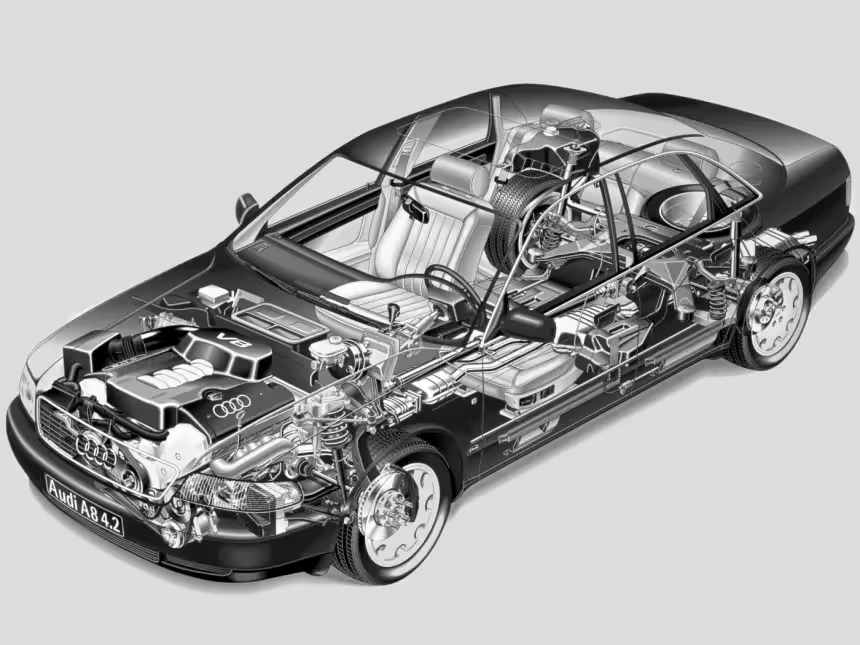
Audi’s D2 A8 marked an engineering bet on materials: the Audi Space Frame (ASF), an aluminum structure that saved weight and resisted rust, while also demanding new manufacturing and repair techniques.
What defined the D2:
- Audi Space Frame: aluminum body architecture made the A8 lighter and more rigid for its time, improving handling and efficiency.
- Tight packaging and integration: Quattro all‑wheel drive married to high‑torque engines and a chassis tuned for stability and composure.
- Early electronics: multiplexed wiring, adaptive systems and sophisticated climate controls added comfort — but also complexity.
Why it matters: the D2 pushed a mainstream brand into premium territory, showcasing that Audi could build an advanced flagship. The aluminum construction foreshadowed later lightweighting strategies across the industry, but it also taught a practical lesson: repairs are harder and costlier.
Ownership reality: aluminum panel repair requires specialist skills and equipment. Small collisions or paintwork can quickly escalate repair bills. Independent shops often avoided the A8, driving up service costs for owners who had to seek OEM‑certified facilities.
Volkswagen Phaeton (2002–2016): engineering ego in a family wrapper
The Phaeton is the classic case of a company deciding to build a halo product that was technically brilliant but commercially mispositioned. Ferdinand Piëch’s insistence that Volkswagen should demonstrate ultimate engineering capability resulted in a limousine that hid a mechanical cathedral under a humble VW badge.
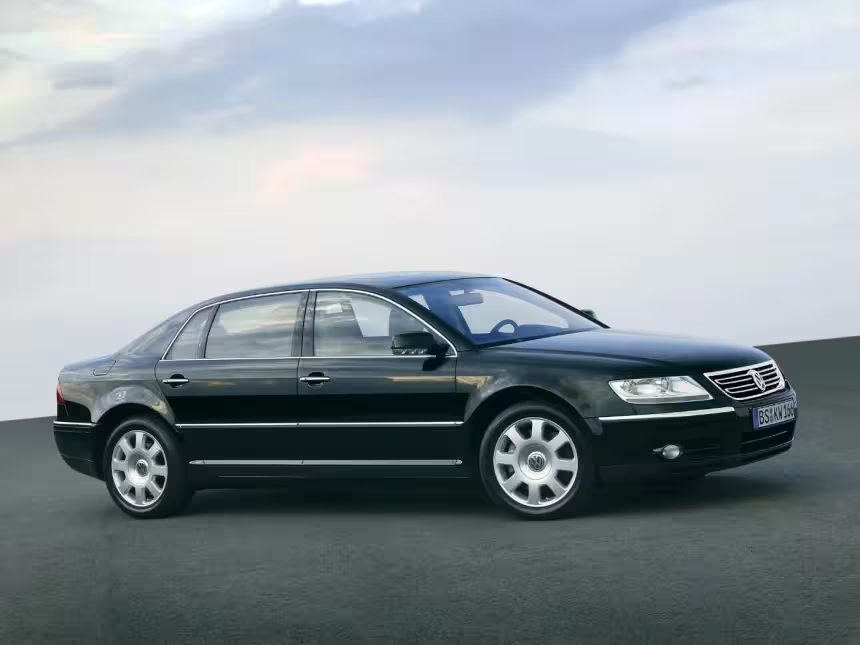
What made the Phaeton extraordinary:
- Hidden complexity: a hand‑assembled aluminum chassis, adaptive air suspension tied to hundreds of sensors, and an interior finished to near‑Bently standards.
- Powertrain pedigree: the Phaeton shared much mechanical DNA with higher‑end Volkswagen Group models, including W12 and V8 options in some markets.
- Factory theatre: cars were assembled in painstaking conditions, often described as artisan production rather than mass manufacturing.
Why it matters: the Phaeton was proof that Volkswagen could build an absolute top‑tier luxury car — but prestige and perception are part of value. Buyers were reluctant to pay six‑figure prices for a Volkswagen badge, and the model never achieved expected sales.
Ownership reality: the Phaeton is a technical masterpiece that can be expensive to upkeep. Early examples sometimes suffer from complex electronic issues, air suspension failures and coolant or seal problems that require specialized knowledge to fix. Today the cars can be bought at low prices but with the caveat that maintenance costs are nontrivial.
BMW 850Ci (E31, 1990–1999): a V12 GT with a spaceship aesthetic
The 8 Series of the early 1990s was BMW’s effort to create a halo grand tourer: low, long, and packed with the most advanced technology the company could offer. It was aspirational, technically ambitious and expensive to produce — an exemplar of BMW’s willingness to create something because it was possible.
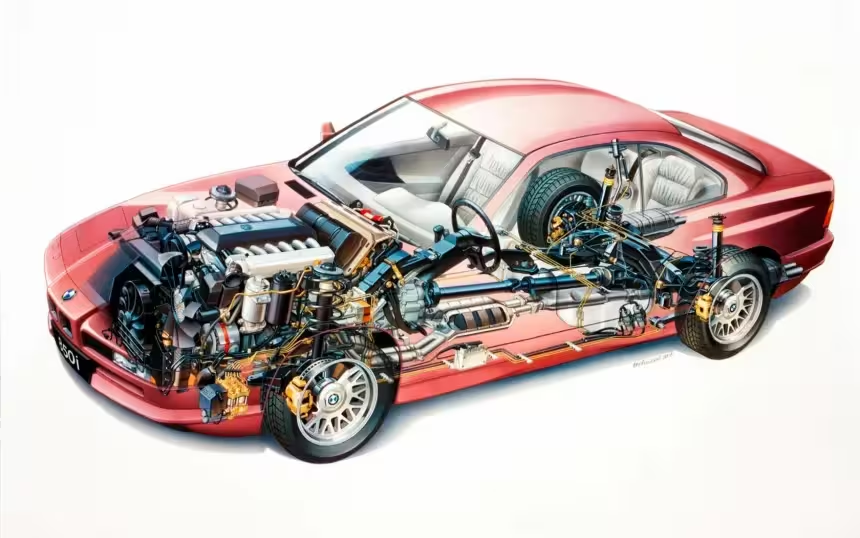
Defining elements:
- Styling and presence: pop‑up headlights, pillarless windows and a silhouette built for high‑speed stability gave the 850Ci a distinctive look that still turns heads.
- V12 refinement: the 5.0‑ to 5.4‑liter V12 options offered silky power delivery and aural distinction that remains compelling.
- Advanced electronics: drive‑by‑wire throttle, multi‑link suspension and a CAN bus architecture were cutting edge for their day.
Why it matters: the E31 8 Series proved that BMW could make a high‑speed cruiser blending performance and luxury. But market conditions — an early‑’90s economic dip and competition from lighter sports cars — limited its commercial appeal.
Ownership reality: V12s age beautifully if maintained, but service is labor‑intensive. Some routine jobs require significant disassembly; specialist knowledge and access to parts can be limiting factors for owners today.
Mercedes‑Benz CL 600 (C216, 2006–2014): twin‑turbo V12 theater
The C216 coupe distilled Mercedes’ late‑2000s technical bravado into a cohesive, dramatic package. The CL 600 paired twin‑turbo V12 power with hydraulic and electronic wizardry that made the car feel both luxurious and formidable.
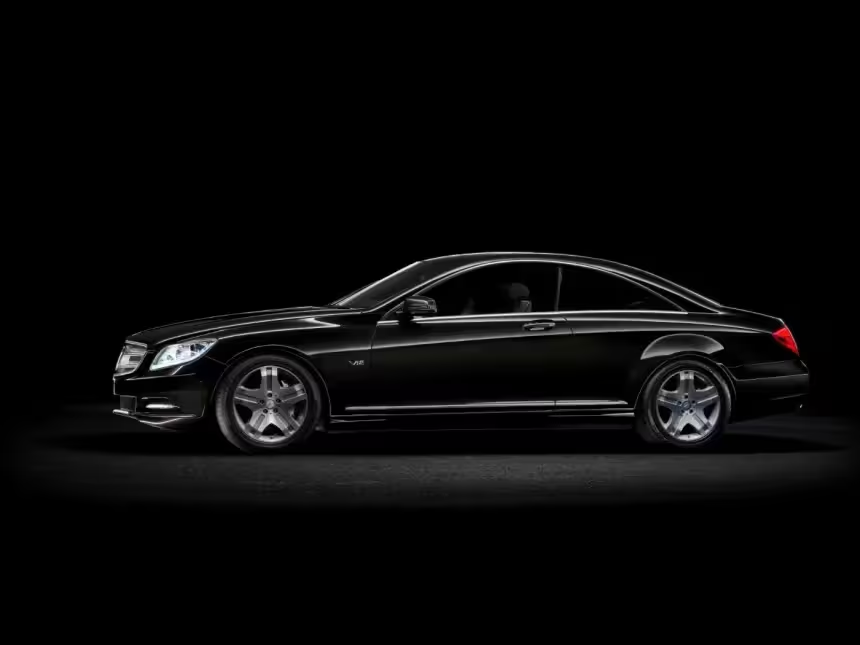
Standout systems:
- Twin‑turbo V12: prodigious torque and effortless acceleration gave the CL 600 an aura of inexorability. In many respects it was the coupe equivalent of the S‑Class V12 flagship.
- Active Body Control (ABC): Mercedes’ sophisticated hydraulic suspension delivered near‑magical body control but at the price of potential long‑term maintenance challenges.
- Comfort and electronics: seats with multiple functions (cooling, heating, massage and bolstering), driver assistance systems and a complex infotainment suite made the cabin a dense electronic environment.
Why it matters: the CL 600 embodied the last era where Mercedes would push hydraulic and mechanical systems as a route to refinement. The results were spectacular — until service time.
Ownership reality: ABC and other advanced components can be expensive to repair. Some owners convert to conventional coil springs as a cost‑saving measure. Even so, the CL 600 remains intoxicating to drive when systems are functioning correctly.
Common threads: what these cars teach us about technology and the market
- Innovation spreads. Technologies that seemed excessive at launch — centralized controllers, adaptive suspensions, multiplexed electronics — have become mainstream. Early adopters paid the higher cost of being first, but their cars shaped future generations.
- Materials and manufacturing choices matter. Aluminum frames, exotic alloys and complicated assemblies reduce weight and improve performance but increase repair complexity and costs.
- Serviceability is a design choice. When engineers prioritize performance and packaging over ease of maintenance, long‑term ownership requires specialist skills and more money.
- Perception influences value. The Phaeton demonstrated that technical achievement alone does not equal market success; brand perception and pricing play decisive roles.
Buying advice for enthusiasts and collectors
If you’re drawn to these machines because of their ambition and feel, here are a few practical tips:
- Research thoroughly: learn about common failure points for the specific model. Forums, specialist technicians and long‑term owner reports are invaluable.
- Budget realistically: initial purchase price is only part of the total cost. Factor in potential electronic, suspension and powertrain repairs.
- Prefer documented history: find cars with clear service records and, where possible, modules or components already refurbished or upgraded.
- Plan for specialist care: even routine maintenance can require expert knowledge and tools. Locate a trusted specialist before you buy.
Why collectors increasingly value over‑engineered examples
Ironically, the very complexity that made these cars difficult to own in everyday terms now contributes to their allure. Enthusiast markets prize authenticity, technological milestones and the drama of owning something that represents a pivotal moment in automotive history.
For preservation‑minded buyers, the strategy is simple: acquire thoughtfully, maintain consistently and accept that rarity sometimes carries repair costs. Well‑preserved examples of the W140, E31 and D2 A8 are earning appreciation as the tastes of collectors shift toward analog craftsmanship mixed with early electronic sophistication.
Closing thoughts
The cars covered here — Mercedes’ hulking W140 and sleek C216, BMW’s experimental E65 and elegant E31, Audi’s aluminum A8 and Volkswagen’s ambitious Phaeton — all share something essential: they represent a period when engineering ambition was often allowed to run ahead of cost accounting. The results were spectacular innovations and, sometimes, expensive consequences.
If you love cars because of engineering boldness, these models are irresistible. They are machines that make a case for excess: tactile, distinctive, and unapologetically advanced. But if you prefer predictability, low running costs and plug‑and‑play reliability, they’re reminders that perfection on paper can mean complexity in the garage.
Quote to remember:
"Engineering isn’t just about solving problems — sometimes it’s about proving what can be done. These cars are proud, complicated answers."
Whether you consider them masterpieces or money pits depends on your priorities. But there’s no denying their place in automotive history: they pushed limits, changed expectations and taught manufacturers — and buyers — valuable lessons about the balance between ambition and practicality.
Summary highlights
- W140 S‑Class: a display of indestructible luxury and hydraulic complexity; sublime in comfort but expensive to maintain.
- BMW E65 7 Series: a rolling lab for software, user interfaces and electronic systems; influential but polarizing.
- Audi A8 D2: pioneering aluminum structure that improved performance and corrosion resistance but made repairs costly.
- Volkswagen Phaeton: a halo car built to prove a point; mechanically brilliant and commercially misunderstood.
- BMW 850Ci (E31): V12 GT with spaceship aesthetics; technical and mechanical elegance, but high upkeep.
- Mercedes CL 600 (C216): twin‑turbo V12 coupe with hydraulic wizardry; breathtaking to drive, expensive to keep.
If you’re considering one of these cars as a purchase, treat the decision like acquiring a vintage instrument: it’s as much about relationships with specialists and spare‑parts networks as it is about torque and top speed. For collectors and enthusiasts, these over‑engineered German cars remain some of the most fascinating and rewarding machines on the road — provided you understand the price of their brilliance.

“I cover automotive innovation, electric vehicles, and the future of mobility — where technology meets sustainability.”

Discussion
Leave a Comment