
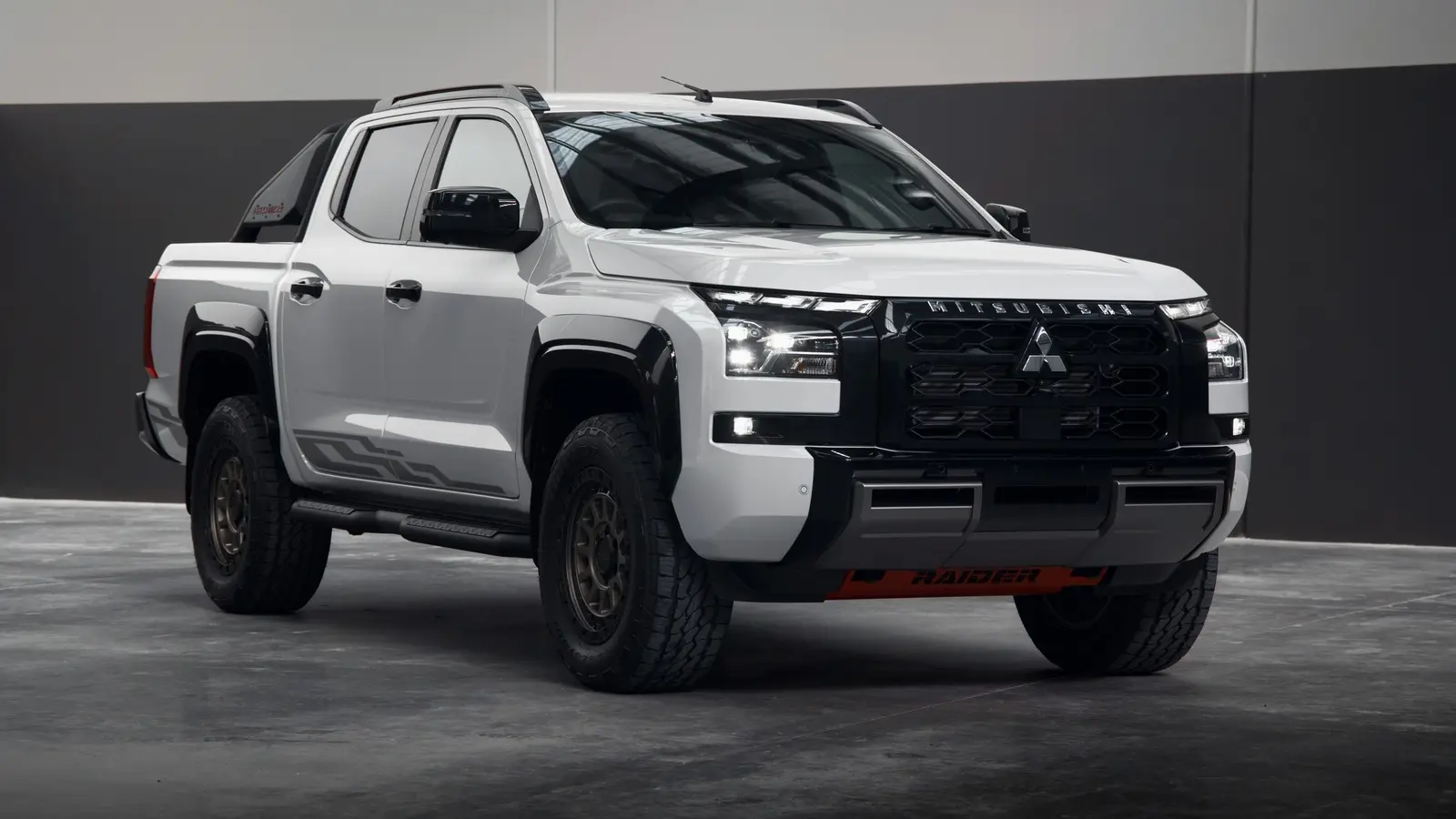
Picture a three-diamond badge on the tailgate of a midsize pickup in a U.S. dealer lot. Bold image, right? It’s the kind of comeback Mitsubishi hasn't tried since the Raider left town in 2009.
Rather than going it alone this time, Mitsubishi has asked Nissan to lend engineering muscle. The new truck is expected to ride on the same bones as the Nissan Frontier, sharing major components and powertrains. That partnership makes sense on paper: Nissan is a significant shareholder and already builds the Frontier in Mississippi.
The new truck will be assembled at Nissan's Canton plant to sidestep import tariffs.
Why location matters more than ever
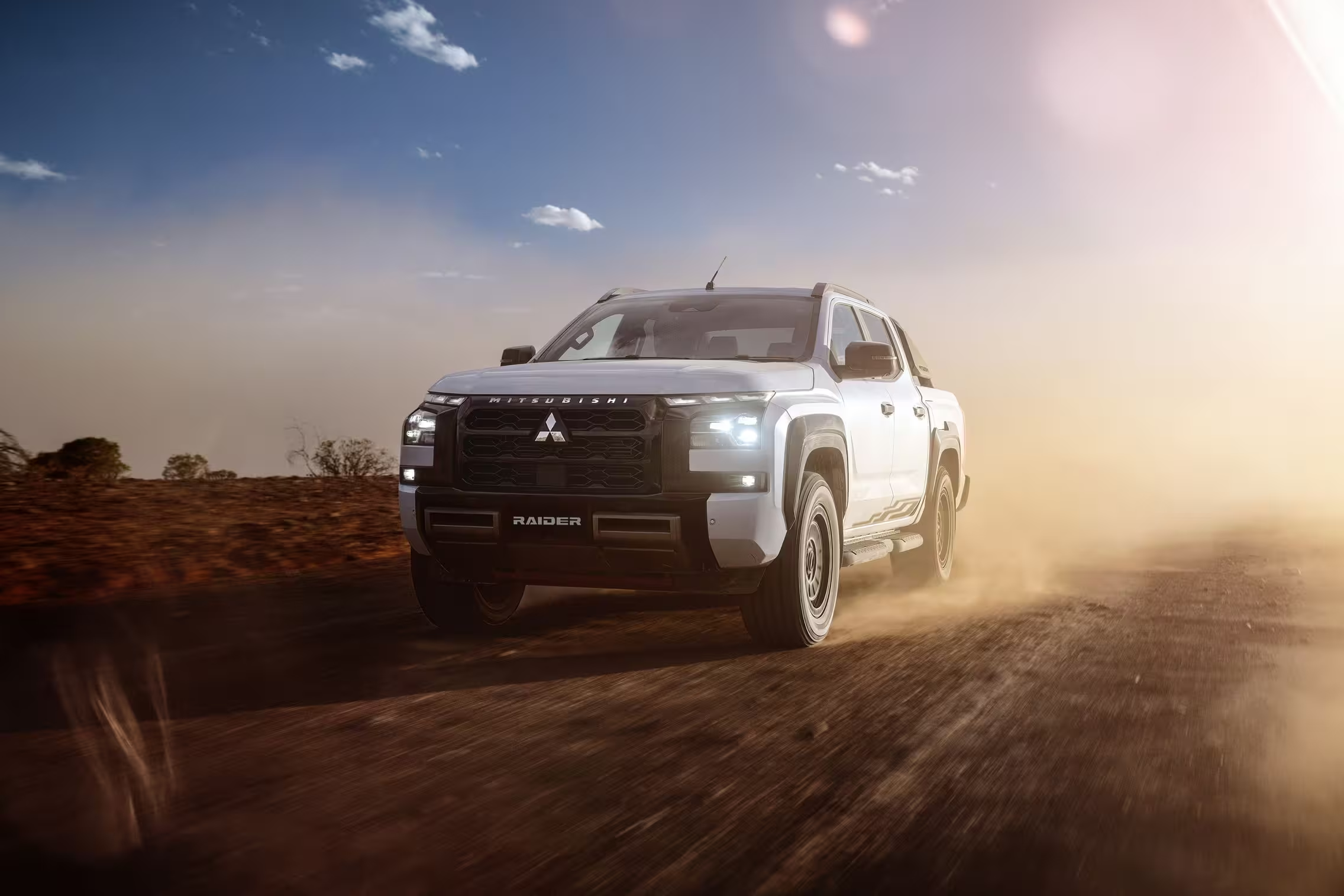
Building in Canton, Mississippi isn’t just convenient. It’s strategic. Tariffs on imported light trucks have reshaped how brands think about where to build. Domestic assembly keeps costs down and gives Mitsubishi faster access to the U.S. market without extra fees tacked onto sticker prices.
Still, the mid-size pickup ring is crowded. Toyota’s Tacoma sets the tone. Ford’s Ranger and Chevrolet’s Colorado keep raising the bar. Kia is circling, promising an American-built midsize truck before 2030. Honda quietly exited with the Ridgeline. Can Mitsubishi find a gap?
From Raider to resurrection: lessons learned
Mitsubishi’s last U.S. pickup, the Raider, was essentially a Dodge Dakota in different clothes. It was body-on-frame, offered a 3.7-liter V6 or a 4.7-liter V8, and could tow up to 6,600 pounds in V8 form. The Raider didn’t stick. Demand was weak, and Mitsubishi walked away. That memory is both a cautionary tale and a blueprint: platform sharing works, but customer expectations and identity matter more.
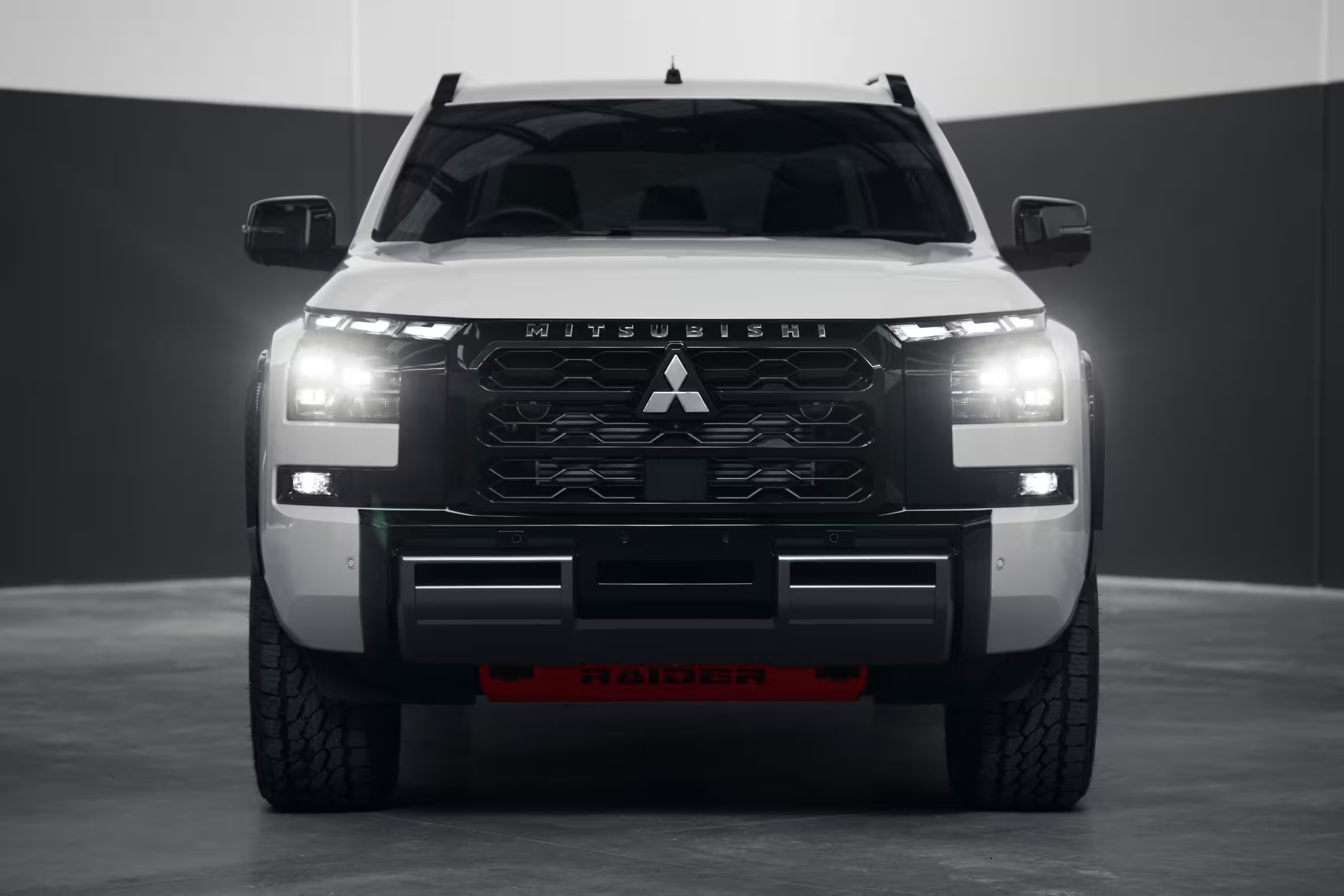
The upcoming truck is one piece of a bigger reboot. Mitsubishi aims to introduce 13 models by 2031, including two new midsize SUVs, a minivan, and a rebooted Pajero built on a body-on-frame architecture derived from the Triton pickup. Electrification shows up across the lineup too: the automaker plans five hybrids and five plug-in hybrids. Full-battery EVs don’t appear in the initial roadmap, which means three carryover models will remain pure internal combustion.
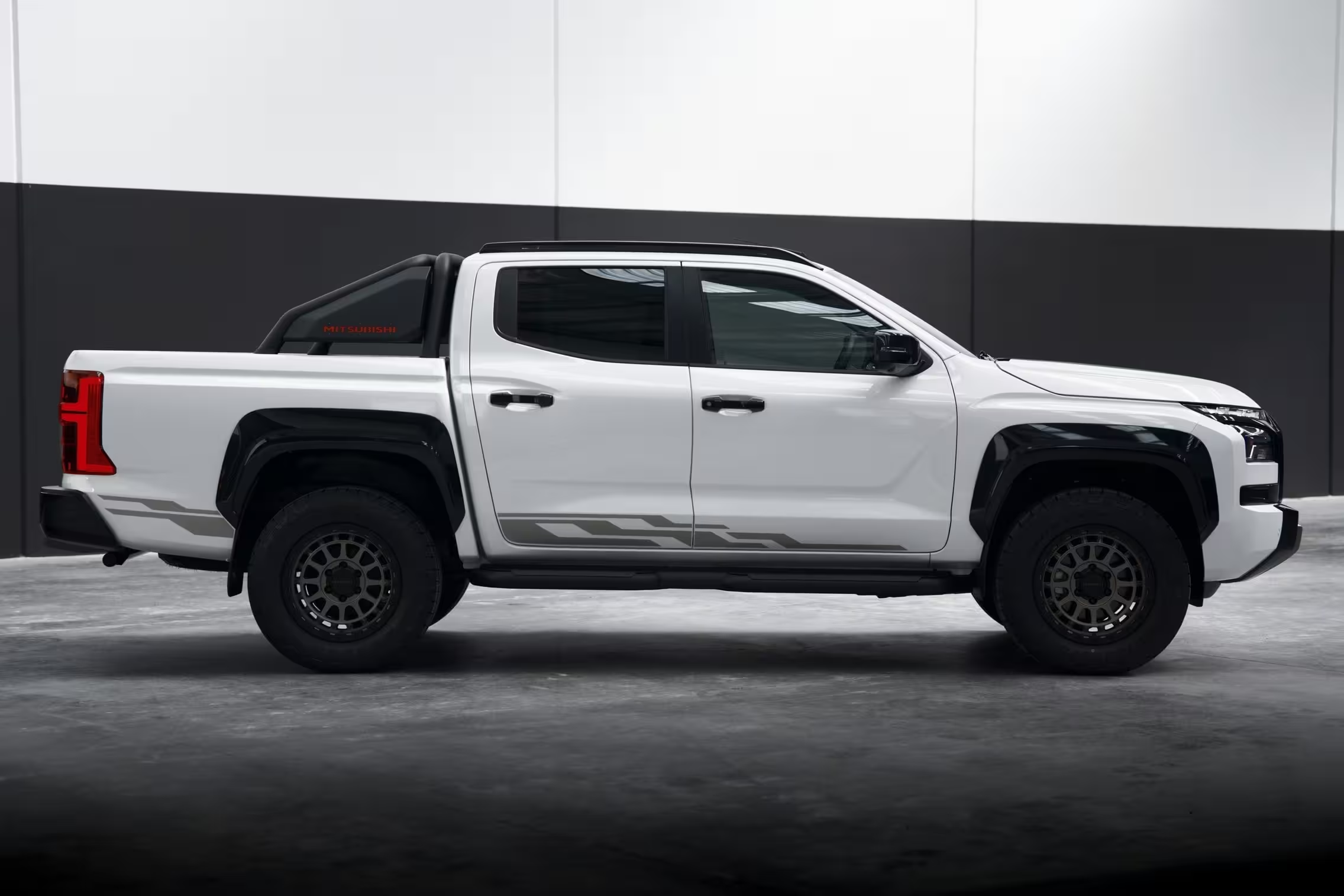
There’s another internal shift: Mitsubishi wants to shave development time from about 45 months down to 36. Faster cycles. Quicker reactions. The industry rewards speed when customer tastes change overnight.
So where does that leave us? Mitsubishi has the partnership and a manufacturing lifeline. It also has to convince U.S. buyers that this pickup brings something the Tacoma, Ranger, and Colorado don’t. Design. Capability. Value. Brand conviction. The plan feels measured rather than flashy. That might be exactly what a comeback needs.

“I cover automotive innovation, electric vehicles, and the future of mobility — where technology meets sustainability.”

Discussion
Leave a Comment