
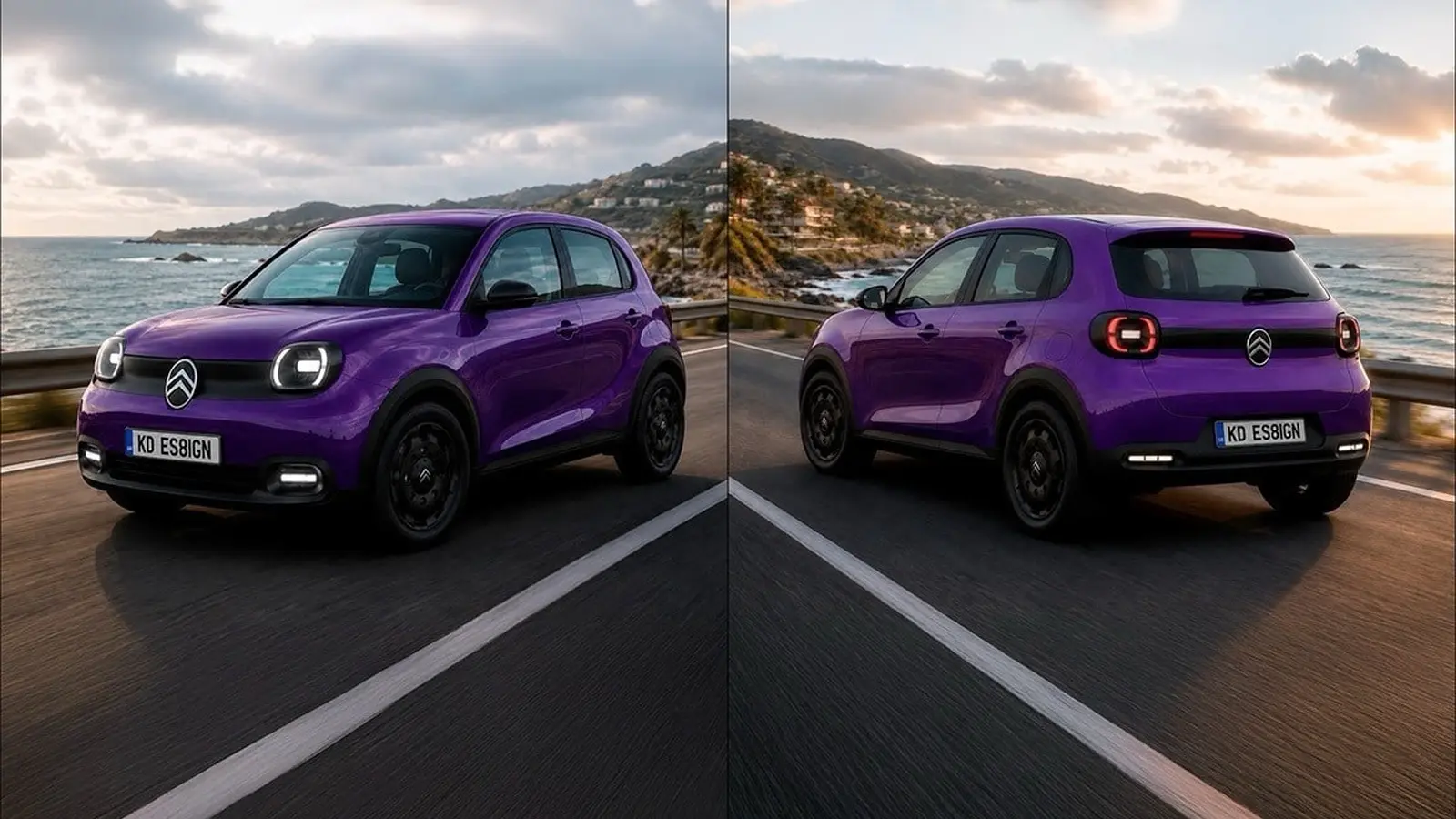
Picture this: a little Citroën meandering past a café terrace, its silhouette instantly familiar but its heart now purely electric. It’s small. It’s cheerful. And for the first time in decades the 2CV name is being groomed for a real comeback.
Stellantis has folded the revival into its ambitious FaSTLAne 2030 plan, a roughly €64.4 billion programme that aims to roll out 110 models by 2030 — 60 fresh designs and 50 facelifts. The strategy carves out a tight roster of global and regional stars; Citroën is now one of the second-tier brands entrusted with rekindling regional appeal and accessible mobility.

A budget EV with heritage DNA
The new 2CV will be fully electric and pitched at a startlingly low entry price: about €15,000. That price point positions it directly against the most affordable city EVs on the market today. Production is slated to run alongside the Fiat Panda in Italy, and the little Citroën is expected to be even more compact than the already-compact e-C3.
Why does that matter? Because a genuinely inexpensive EV from a historic nameplate could alter the equation for urban buyers who have been priced out of electric mobility. Will it deliver the same simplicity and charm that made the original 2CV an icon? That’s the question engineers and designers will have to answer without losing the car’s identity.

The original 2CV was never about flash. From 1949 to 1990 more than five million were built. It was modest, practical, and loved for its quirks. The revived model appears to lean into those values rather than chasing high-tech excess.
Teaser images released so far show a retro-flavored approach consistent with a wave of small electric revivals — think the Renault 5 E-Tech or the MINI Cooper SE in spirit if not in detail. The design language seems to nod to simplicity, with soft shapes and familiar proportions rather than aggressive angles and ornamentation.
Digital artists have already begun to iterate on that theme. Brazilian render artist Kleber Silva, known online as KDesign AG, posted CGI visions that imagine the 2CV as an ultra-budget EV. Silva drew cues from the 2009 Citroën Revolte concept and the more recent ELO prototype, aiming for maximum accessibility rather than radical innovation. The result looks like a friendly, compact hatchback tuned for tight city life.

There are risks. Low price targets can squeeze range, materials quality, or tech features. But if Citroën finds the right balance—keeping costs down while delivering a usable electric range and a pleasant urban experience—the brand could revive more than a badge; it could reignite a market niche for unapologetically affordable electric cars.
This relaunch is not just nostalgia dressed in LED lights; it’s a practical bet on getting more drivers into electric cars by making them genuinely affordable.
Expect a formal reveal at the 2026 Paris Motor Show, where we’ll get the clearest picture of how closely the production 2CV will echo the renderings and whether that €15,000 promise holds up. For now, the idea of a tiny, cheerful Citroën returning to the streets feels like one of the more optimistic chapters in the EV story.

“Cars are evolving faster than ever. I cover electric vehicles, smart mobility, and the future of transportation worldwide.”

Discussion
Leave a Comment