
4 Minutes
Which platform stops scams better: Android or iOS? Conventional wisdom often favors Apple’s walled garden, but recent survey data and device comparisons show a different picture — at least when it comes to protecting users from scam texts and fraudulent calls.
Survey snapshot: Android users report fewer scam texts
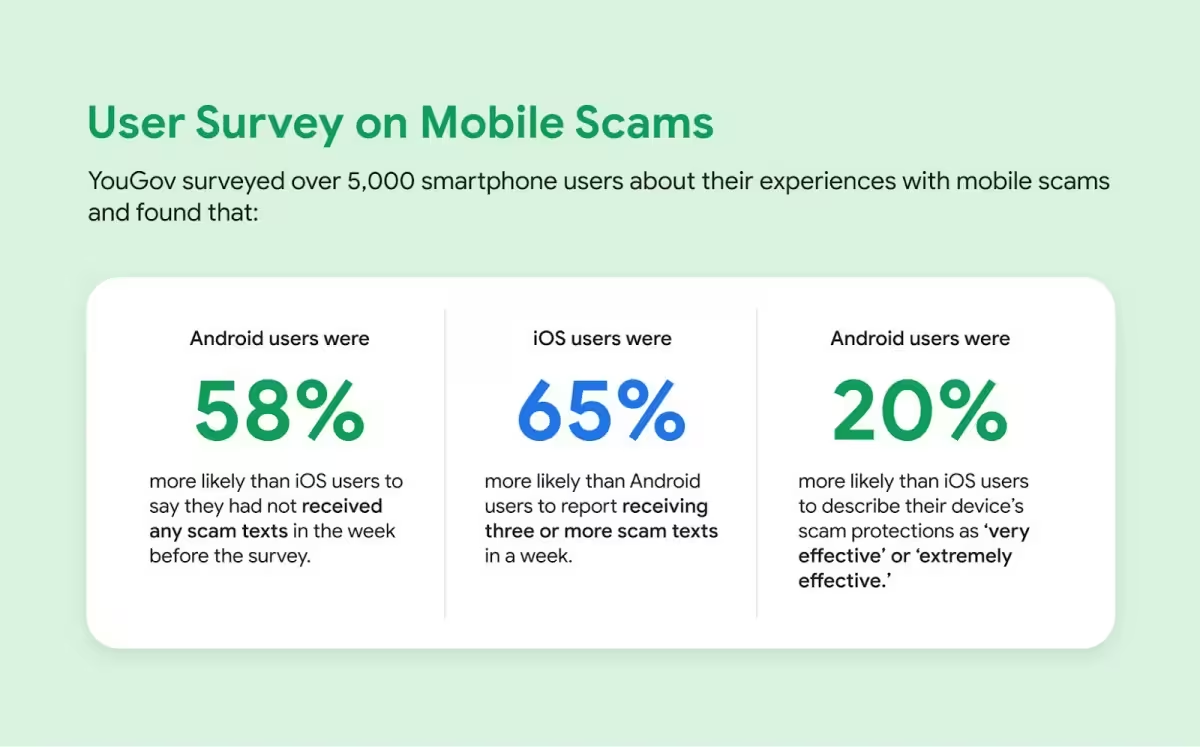
A YouGov survey of 5,000 smartphone users across the US, India and Brazil — conducted with Google’s involvement — found striking differences in how often people receive scam messages. According to the results, iOS users were 65% more likely than Android users to report getting three or more scam texts in a single week. Conversely, Android users were 58% more likely than iOS users to say they hadn’t received any scam texts in the week before the survey.
The survey also asked users to rate their device’s anti-scam capabilities. Android owners were about 20% more likely to describe those protections as “very” or “extremely” effective.
Pixel vs. iPhone: the headline numbers
Digging deeper, Pixel owners reported better outcomes than iPhone users in several categories. Pixel device owners were 96% more likely than iPhone owners to report zero scam texts, while iPhone users were 136% more likely than Pixel owners to say they’d received a heavy volume of scam messages. In the same survey, iPhone users were 150% more likely than Pixel owners to say their device did not effectively stop mobile fraud.
What Android does differently
The report highlighted several Android features that help reduce scams and social engineering attacks:
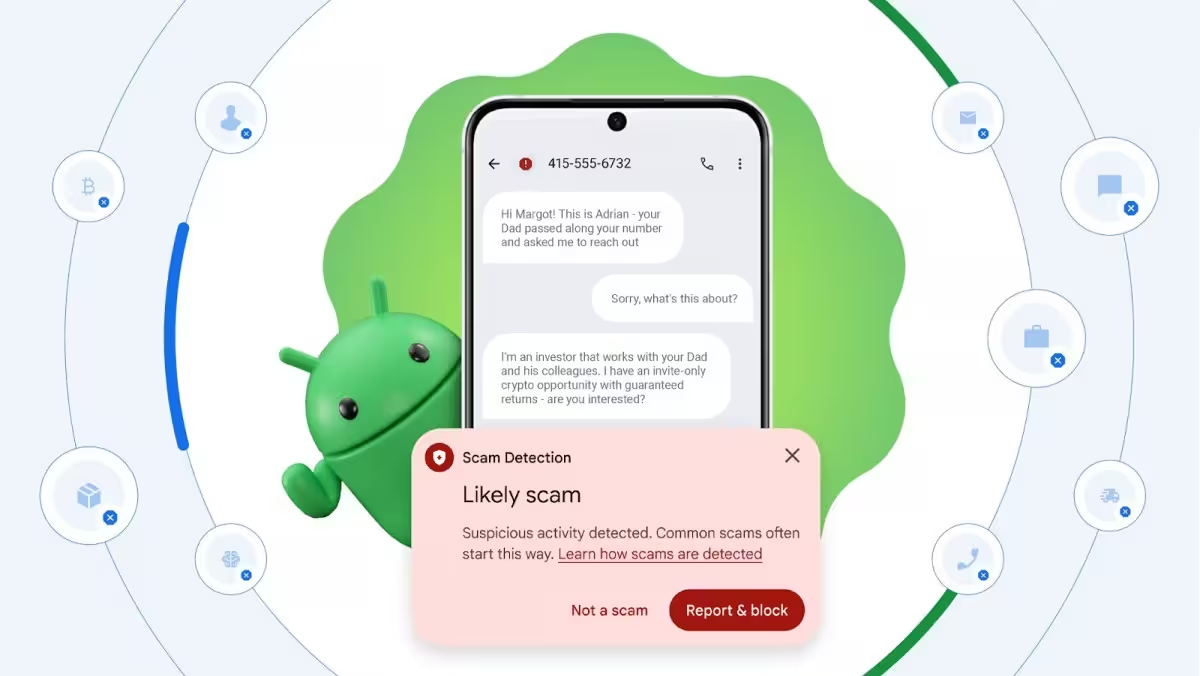
- Google Messages filtering — Known spam is filtered automatically, and suspicious messages trigger on-device Scam Detection that looks for conversational scam patterns and shows real-time warnings.
- Link blocking — Messages flagged as spam or scams can have links automatically blocked to reduce click-through risk.
- Phone by Google — The app blocks known spam calls and offers Call Screen (where available) to answer calls and root out fraud without exposing the user.
- On-device AI — Real-time analysis of unknown senders and call behavior means warnings are generated locally, improving privacy and speed.
- Call-time protections — Android can restrict risky actions during a suspicious call, like installing untrusted apps or changing security settings, to fight social engineering.
How iOS stacked up in feature checks
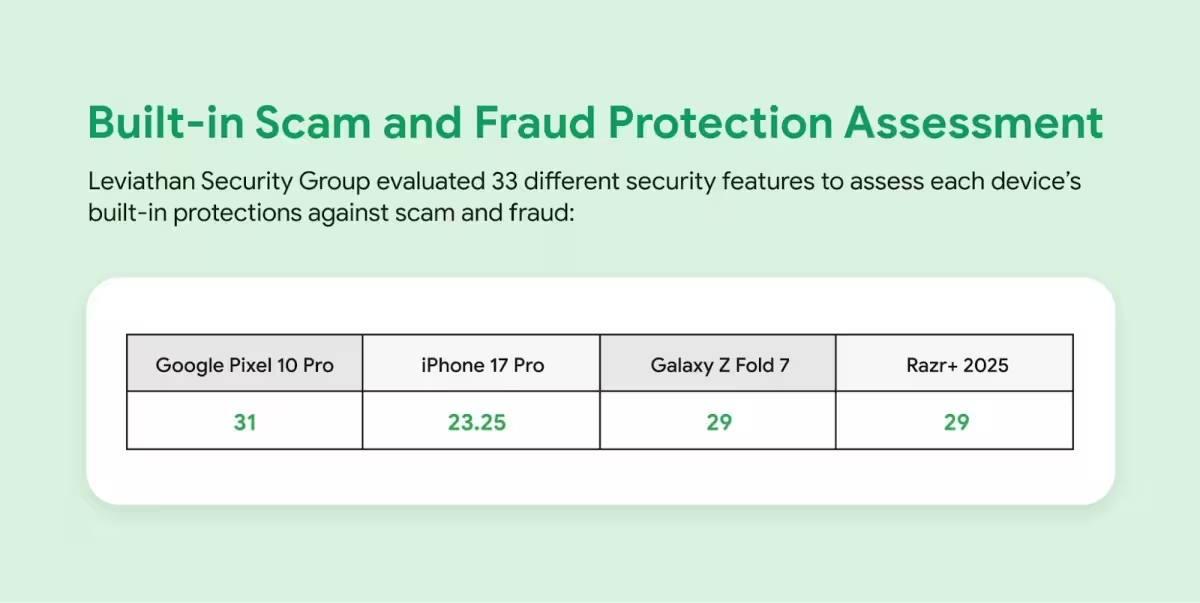
In a separate device evaluation comparing built-in scam and fraud protections on a Pixel 10 Pro, iPhone 17 Pro, Samsung Galaxy Z Fold7 and Motorola Razr+ (2025), the iPhone reportedly had the fewest security features related to scam blocking. That evaluation called out Android’s robust call screening, scam detection and real-time authentication warnings as key advantages.
Read this with a grain of salt
Two important caveats: the YouGov study was run with Google’s involvement, and surveys reflect user perception as much as technical reality. Self-reported message counts and effectiveness ratings are useful signals, but they’re not the same as impartial lab testing. Still, the combination of real-world feedback and feature comparisons suggests Android’s anti-scam toolkit — especially on Pixel devices — is delivering noticeable benefits for many users.
What it means for you
If you’re worried about scam texts and calls, look for devices and apps that offer active spam filtering, on-device scam detection, and call-screening features. Whether you choose Android or iOS, enable built-in protections, keep your messaging and phone apps updated, and treat unsolicited links and urgent-sounding messages with skepticism. For users deciding between phones, the data here suggests Pixel and other Android handsets may give an edge in blocking conversational scams right out of the box.
Source: gsmarena


Comments
Tomas
I've had a Pixel auto block a scam link in real time, saved my mom from clicking it. Not flawless tho, but noticeable win.
datapulse
wait, so iPhone users get more scam texts? sounds shady, is Google steering this survey or is it legit? feels fishy...

Leave a Comment