
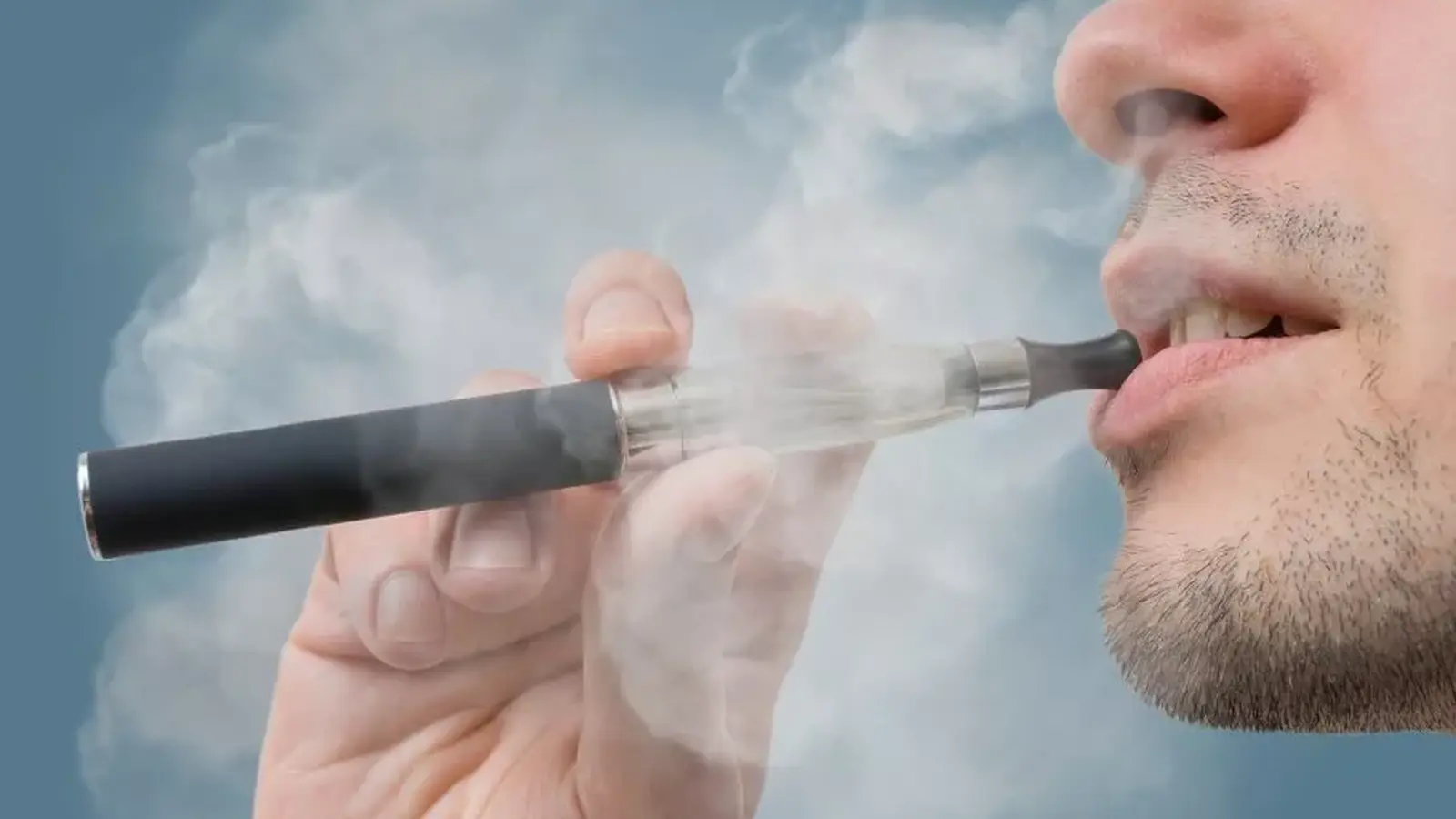
For years many treated e-cigarettes as a safer lifeline away from tobacco. That confidence is eroding. A comprehensive review led by researchers at the University of New South Wales now ties nicotine-based vaping to a probable increase in lung and oral cancers.
The evidence laid out
The authors did something simple and demanding: they pooled diverse lines of research and asked whether the whole pointed in a clear direction. Human biomarker studies, animal experiments, and laboratory analyses of e-cigarette aerosols were all considered. The conclusion: the balance of evidence points toward a likely carcinogenic role for nicotine-containing e-cigarettes in the respiratory tract and oral cavity.
What did the team find? Aerosols from popular devices contain volatile organic compounds and metal particles released from heating coils, among other toxicants. In people, researchers have documented biomarkers consistent with DNA damage, oxidative stress, and tissue inflammation—early signals on the road toward cancer. In controlled animal studies, exposure produced lung tumors. Those pieces line up in a way that makes complacency risky.
Lead researchers emphasize that this is a qualitative assessment. It does not yet provide precise, numerical estimates of how much vaping raises cancer risk over a lifetime. Long-term epidemiological studies will be needed to translate these biological signals into population-level statistics. Still, the pattern of evidence is strong enough to warrant attention now, not later.

Why this changes the conversation
There is a dangerous pattern repeating itself. Decades elapsed between early cigarette science and decisive public-health action on smoking. The UNSW team warns that a similar delay around e-cigarettes could have avoidable consequences. One particular concern is dual use: many people who take up vaping do not stop smoking combustible cigarettes. They end up exposed to both tobacco smoke and e-cigarette aerosol, a combination that can only increase harm.
Policy and clinical practice face immediate questions. Should clinicians treat vaping as a harm-reduction tool with caveats, or as a behavior that requires stricter control? Should regulators limit certain device designs or ingredients known to release carcinogens? Those debates will now proceed against a stronger scientific backdrop.
"We compiled biomarker data, animal outcomes, and chemical analyses to see whether the lines of evidence converge," the UNSW group notes in their report published in the journal Carcinogenesis. "While precise risk estimates await long-term human studies, the coherent signal suggests nicotine-based e-cigarettes are likely carcinogenic to the lung and oral cavity."
The practical takeaway is immediate: clinicians, public-health officials, and consumers should treat vaping with caution. Research priorities include long-term cohort studies that track cancer outcomes, experiments that clarify which device components and flavor chemicals are most harmful, and better surveillance of dual use. Youth prevention remains crucial; early exposure during adolescence may carry outsized risk.
Science often moves in increments. This review accelerates the timeline by bringing disparate findings into one frame. It does not close the book on vaping, but it does change the terms of the debate. The safer-alternative argument can no longer stand without careful qualification and urgent study.


“The cosmos has always fascinated me. I write about space missions, astronomy, and the technologies pushing humanity beyond Earth.”

Discussion
Leave a Comment
Comments (2)
wow, that's alarming. I switched from cigs to vaping years ago, now kinda panicked. Clinicians better update guidance, pronto.
Wait, so nicotine vapes linked to lung + oral cancers? Sounds serious but kinda preliminary, need big cohort studies tho. worried for teens...