
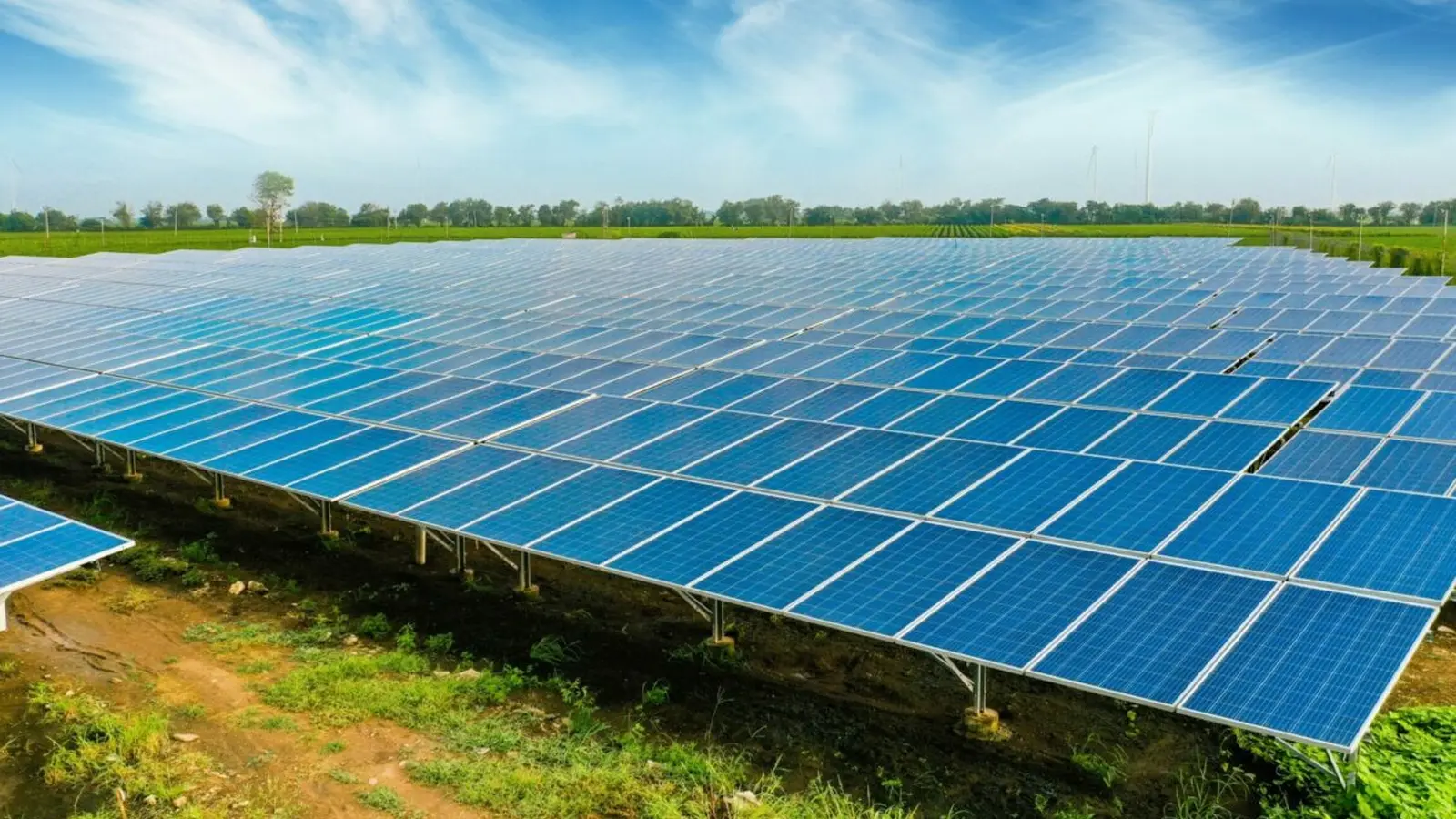
Meta, the parent company of Instagram, moved quickly this week to secure nearly one gigawatt of solar capacity as it races to meet the surging power needs of its AI-driven infrastructure. The deals are part of a broader push that already tops several gigawatts of renewable purchases this year.
Three fast deals, one clear signal: solar is scaling
Over seven days Meta signed three separate agreements to buy nearly 1,000 megawatts of solar power. With these deals, the company’s total contracted solar capacity for the year passes the three-gigawatt mark — a sign that large tech firms are leaning on solar as a cost-effective, rapidly deployable answer to data center growth.
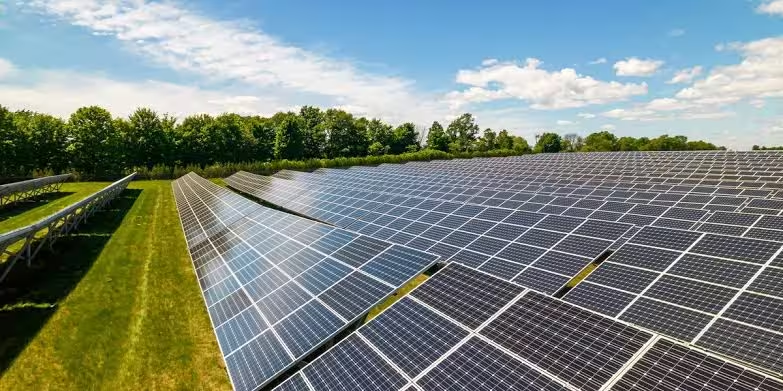
Two of the contracts are tied to projects in Louisiana and involve the procurement of environmental attribute certificates (EACs) equivalent to 385 megawatts. These projects are expected to come online within the next two years. The third deal, announced Monday, secures 600 megawatts from a large solar farm being built near Lubbock, Texas, scheduled for commercial operation in 2027.
How the power actually helps Meta’s data centers
According to Bloomberg, the electricity generated in Texas won’t be wired directly into Meta’s data centers. Instead, that clean power will flow into the regional grid, effectively offsetting the company’s local electricity consumption. The Louisiana agreements operate differently: by buying EACs Meta can claim the environmental benefits of renewable generation to compensate for carbon-intensive power it still uses.
Why experts caution against relying only on certificates
Industry observers welcome the added renewable capacity but warn that EACs alone may not be enough. These certificates were originally created to make up for higher costs of renewables; now that solar and wind costs have plunged, EACs can obscure whether companies are actually adding new clean capacity to the grid.
- Real-build vs. accounting: Experts argue that direct investment in new renewable projects should take priority over solely buying certificates.
- Timing matters: Projects that deliver firm capacity sooner are more valuable for meeting the immediate, steep electricity demands from AI training and inference.
- Grid impacts: Power that enters the local grid can offset emissions, but the location and timing of generation relative to consumption still affect net carbon outcomes.
In short, while Meta’s recent purchases underline the tech sector’s pivot to solar, analysts say the company — and its peers — should couple certificate purchases with targeted investments in new renewables and grid upgrades to credibly decarbonize AI growth.
What this means for the renewable energy landscape
The speed and scale of Meta’s deals underline two trends: solar’s falling costs and its fast build times. For data center operators and cloud providers facing explosive AI-driven demand, solar offers a practical path to expand capacity without the long lead times of some alternatives. Still, if corporate claims of renewable sourcing are to match reality, more transparent, additional investments in new generation will be necessary.
Imagine AI centers humming with activity powered by large-scale renewables — it’s possible, but only if companies move from offset accounting to building the clean infrastructure the grid needs. Meta’s latest move is a step, but many say it’s not the final one.


“I love exploring gadgets, apps, and trends that redefine how we connect, work, and play in a digital world.”

Discussion
Leave a Comment
Comments (2)
Cool they signed big deals fast, but certificates alone = window dressing. Build new farms, upgrade the grid, do it faster pls
Not convinced, buying EACs feels like green accounting. If the solar isn't local and timing off, are they really cutting emissions? hmm