
6 Minutes
A clear pattern has emerged from a surprisingly broad data set: sperm left sitting around tend to lose quality. That conclusion, drawn from nearly 55,000 men and dozens of animal studies, upends a long-standing piece of fertility advice and reframes how clinicians and biologists think about reproductive timing.
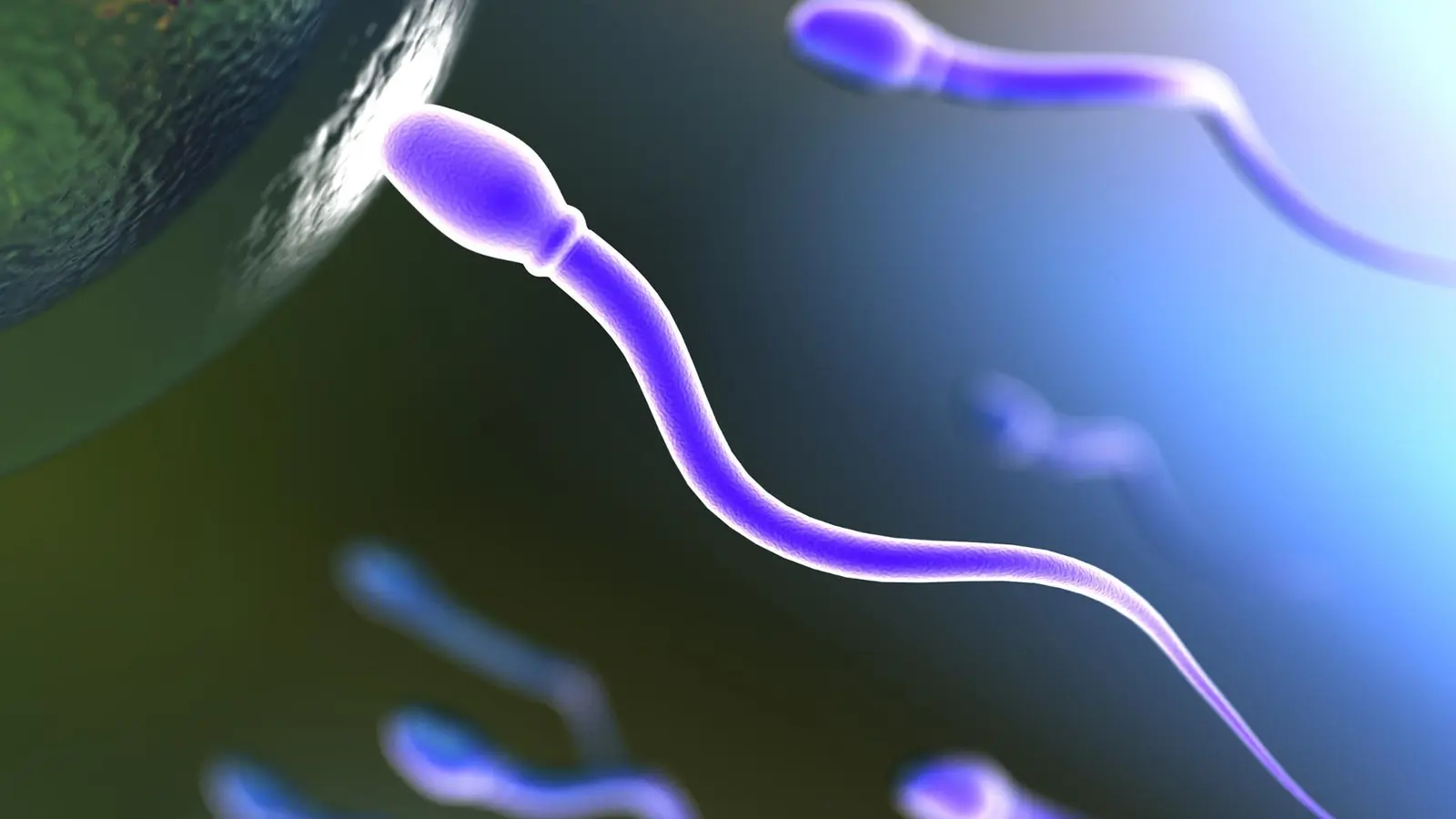
New research indicates that prolonged sperm storage may reduce sperm quality across a wide range of species.
For decades, the default recommendation for men asked to provide semen samples has been simple: abstain for several days. The logic was straightforward — longer abstinence produces larger counts. The new synthesis of human and comparative animal research argues that this trade-off has been underappreciated: stored sperm age, and aging carries measurable costs for motility, viability, and DNA integrity.
What the study looked at and what it found
Researchers combined results from 115 studies of humans totaling 54,889 men with 56 studies across 30 non-human species, spanning insects, birds, and mammals. The pattern was consistent. As the interval since ejaculation lengthened, markers of sperm performance deteriorated. The decline occurs independently of the male’s chronological age — mature sperm themselves go through a process researchers call post-meiotic sperm senescence.
Post-meiotic sperm senescence is a technical term for a simple idea: once sperm complete meiosis and leave the testis, they have limited energy reserves and little capacity for cellular repair. Over time, oxidative stress and molecular damage accumulate. That damage shows up as reduced swimming speed, fewer viable cells, and higher levels of DNA fragmentation — factors that matter for fertilization and early embryo development.

Sperm tagged with green fluorescent protein in the testes and seminal vesicles (male sperm storage organs) of a male Drosophila fruit fly.
Across species, more frequent ejaculation — whether through intercourse or masturbation — was associated with healthier sperm pools. This does not mean every man should adopt the same routine, but it does suggest that shorter abstinence windows can provide fertility benefits in many contexts, including assisted reproductive technologies like IVF.
Sex differences and biological safeguards
Storage matters in both sexes. Females in many species store sperm for varying periods; in humans sperm can survive inside the female reproductive tract for several days. The comparative analysis found that females often maintain sperm quality better than males during storage. Evolution appears to have favored specialized female adaptations: storage organs and secretions rich in antioxidants that nourish and protect sperm, prolonging their viability.

Sperm in the spermathecae (specialized long-term sperm storage organ) in a female Drosophila fruit fly.
Those biological differences provide two important insights. First, ejaculates should be seen as dynamic populations of cells undergoing birth, death, and aging, rather than static quantities. Second, the mechanisms female animals use to preserve sperm point to potential bioinspired strategies to improve artificial sperm storage for clinics and conservation programs.
Clinical and conservation implications
The study raises practical questions for reproductive medicine. World Health Organization guidelines currently allow up to seven days of abstinence before semen sampling. The new evidence suggests that upper bound may be longer than optimal. Several clinical reports already indicate that samples collected after shorter abstinence windows — sometimes within 48 hours — can yield better IVF outcomes, likely because of reduced DNA damage and improved motility.
For fertility clinics, the takeaway is nuanced. Clinics balance sperm concentration against quality; for some diagnostic or therapeutic situations, a short period of abstinence may maximize chances of successful fertilization. For conservationists, frequent collection schedules might help captive breeding programs for endangered species where sperm aging undermines reproductive success.
Expert Insight
"We tend to think of sperm as inert cargo, but they are living cells with a lifecycle," says Dr. Lena Morales, a reproductive biologist not involved in the study. "Practical adjustments to how and when samples are collected can have outsize effects on outcomes. This paper gives clinicians and conservationists a stronger evidence base to tailor protocols."
Lead investigators at the University of Oxford emphasized that the effect sizes are not dramatic for every individual, but consistent enough to matter at population and protocol levels. Regular ejaculation provides a measurable boost — a small nudge that can improve sperm health by limiting the time sperm spend exposed to oxidative damage.

How this changes the conversation around fertility
These findings do not overturn all current practice. They do, however, encourage a shift from a single, one-size-fits-all instruction toward context-aware guidance: consider the purpose of the sample, the patient’s history, and the specific assisted reproduction technique being used. The interplay between sperm concentration and quality is delicate. Timing matters.
The study also underscores the value of cross-disciplinary approaches. By bringing together biomedical data and zoological studies, researchers can spot general biological principles that single-discipline work might miss. Those principles feed back into human medicine, lab protocols, and species conservation.
Conclusion
Sperm are not timeless. Time in storage matters. Shortening abstinence in many clinical and conservation contexts may preserve sperm function and reduce DNA damage. The evidence supports a pragmatic rethink: in reproduction, as in many areas of biology, small procedural changes informed by comparative science can yield real-world benefits.
Source: scitechdaily



Leave a Comment