

Listening to music or playing an instrument may do more than lift mood — a large new study suggests regular musical activity is associated with substantially lower rates of dementia and milder cognitive decline among older adults. Researchers link music engagement to better global cognition and day-to-day memory, highlighting a low-cost, accessible approach to supporting brain health in later life.
How the study was done and who was examined
Researchers at Monash University analyzed data from 10,893 adults aged 70 and older who had no signs of dementia at baseline. Participants came from two major studies, ASPREE and the ALSOP sub-study, and reported their regular leisure activities, including whether they listened to music frequently and/or played an instrument. The analysis tracked cognitive outcomes over time to compare rates of dementia and clinically relevant cognitive impairment between those engaged with music and those who were not.
Key findings: lower risk and better memory
The results, reported by New Atlas and the Monash team, were striking. Frequent music listening was associated with a 39% lower rate of developing dementia and a 17% lower risk of cognitive impairment. Playing an instrument correlated with a 35% lower dementia rate. Participants who both listened and played instruments showed a 33% reduced risk of dementia. Beyond diagnosis rates, music engagement was linked to improvements in overall cognitive function and episodic memory — the recall of everyday events.

Why the results are promising — and why they're not definitive
It is important to emphasize this study is observational. That means it demonstrates strong associations but cannot prove music directly prevents dementia. Confounding factors — such as social engagement, education, general health, or other lifestyle choices — could also influence outcomes. Still, the findings build on a growing body of research showing that music activates brain regions involved in memory, emotion and attention.
What neuroscience tells us
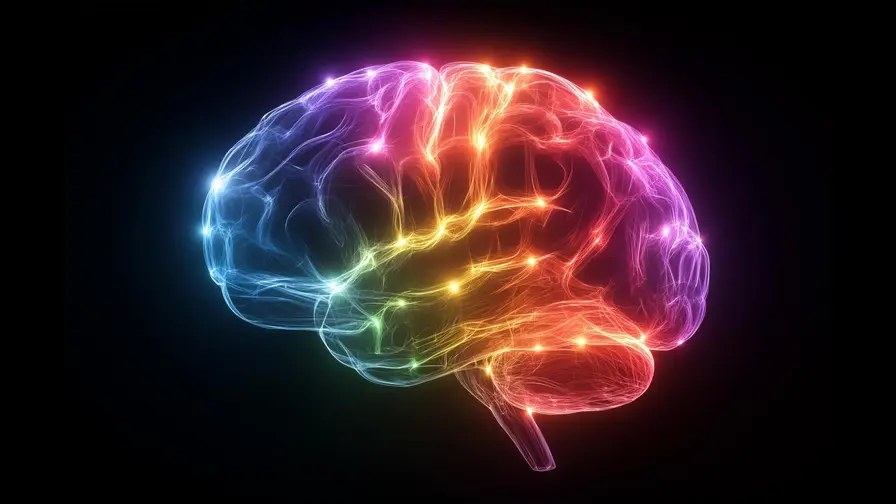
Previous experiments, including work from researchers at Northeastern University in 2022, have shown that music — especially familiar or nostalgic songs — can strengthen connectivity between the auditory cortex, the brain's reward system, and prefrontal regions involved in executive control and memory. Those neural interactions help explain why music often evokes vivid memories and strong emotions, and why it could plausibly support cognitive resilience.
Historical and practical context
Music therapy has a long history stretching back centuries as a method to engage different brain systems. Despite this heritage, structured musical approaches have not always been widely integrated into care for older adults. Monash researchers suggest that because music is inexpensive, widely accessible, and culturally adaptable, it could be a promising tool to reduce cognitive problems or delay the onset of dementia when added to broader lifestyle strategies.
What experts and researchers say
Monash investigators note that brain aging is not determined solely by chronological age or genetics — lifestyle and environmental choices play a role. 'Our data indicate that relatively simple activities like listening to music or playing an instrument may contribute to better cognitive outcomes in later life,' the authors write. They call for further randomized trials to test causation and to identify which musical interventions are most effective.
Practical takeaways for older adults and caregivers
- Regular engagement matters: consistent listening or playing appears more beneficial than occasional exposure.
- Personal relevance helps: prior studies suggest songs tied to personal memories may have stronger effects on brain networks.
- Pair music with social and physical activities: combined lifestyle approaches generally show the best cognitive outcomes.
While more research is needed to prove cause-and-effect, this large observational study strengthens the case for music as a low-risk, enjoyable component of cognitive health strategies for older adults.

“The cosmos has always fascinated me. I write about space missions, astronomy, and the technologies pushing humanity beyond Earth.”

Discussion
Leave a Comment
Comments (2)
i used to play piano with my grandma, she remembered songs long after other stuff faded. Music probs helps, for sure.
Wait 39% less dementia from just listening? hmmm sounds promising but is causation clear or just lifestyle confounds...