
6 Minutes
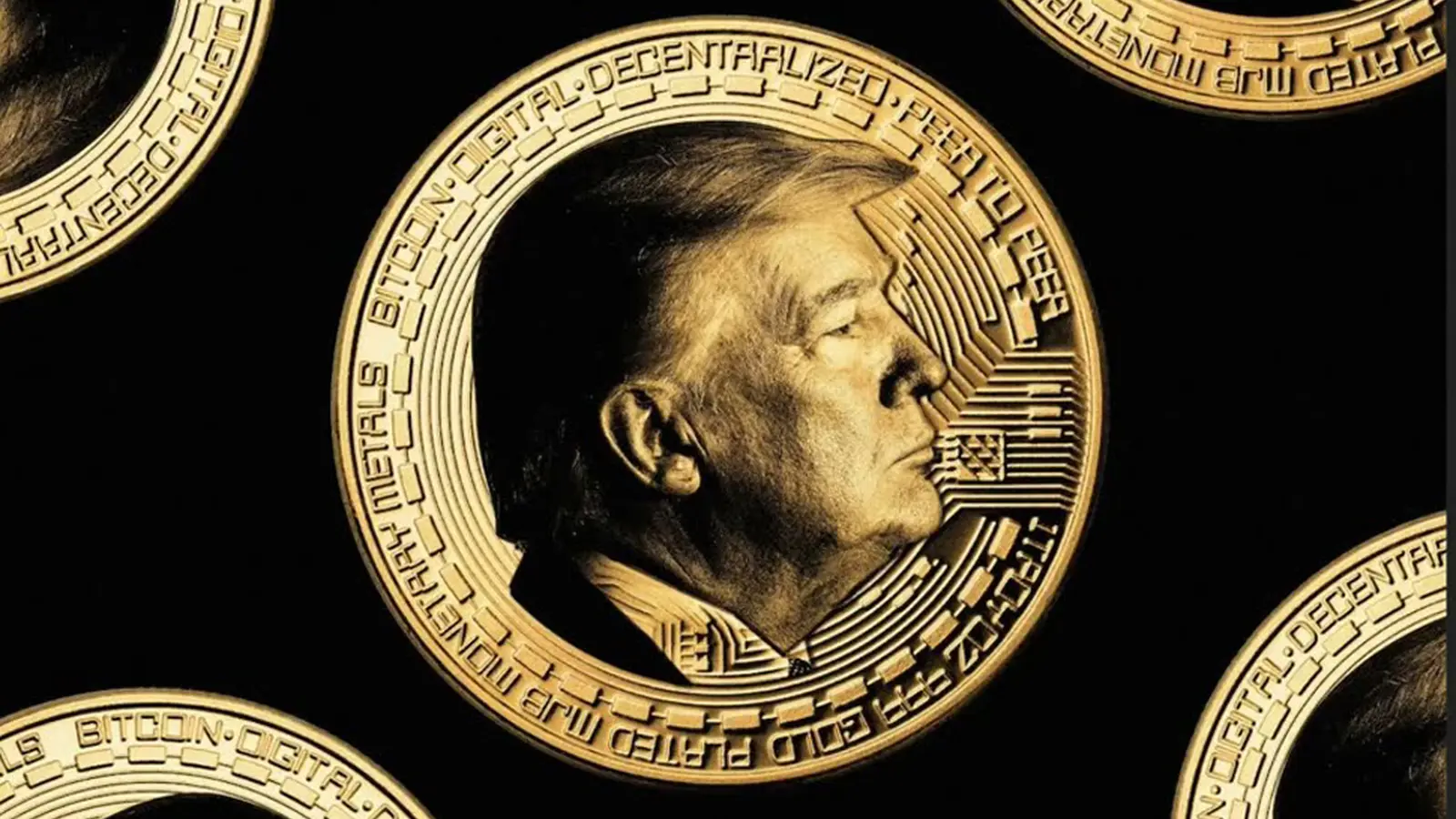
Trump’s memecoin generated huge payouts amid massive retail losses
President Donald Trump’s officially backed memecoin has produced an estimated $636 million payout to him while nearly one million buyer wallets recorded combined losses of about $3.81 billion, according to recent blockchain analytics and Trump’s 2025 financial disclosure.
Blockchain analytics and the disclosure
Data from blockchain analytics firm Nansen shows 988,905 wallets that purchased the TRUMP token had cumulative losses of $3.81 billion through the end of June. That total includes both realized losses and unrealized, or paper, losses from holders who still retain tokens. The scale of the losses drew renewed attention after Trump’s financial filing revealed a $636 million payout tied to the memecoin, and at least $1.4 billion in crypto-related income during the reporting period.
The disclosure attributes a large portion of that crypto income to licensing agreements and token sales carried out by Trump-backed World Liberty Financial (WLFI). Unlike most retail investors, the filing indicates Trump benefited from revenue generated by trading activity and licensing regardless of whether the token price rose or fell.
Price action, token metrics, and market dynamics
TRUMP’s price has plunged dramatically since launch. Nansen reported the token traded around $1.76 at the end of June, roughly 97% below its all-time high of $75.35. Early buyers and automated traders who timed the market captured most of the gains, while a much larger number of later entrants sustained the majority of losses.

The analytics firm found that fewer than 500,000 wallets realized about $4 billion in combined profits, indicating profits were concentrated among a relatively small group of early participants and sophisticated traders. Memecoins frequently experience rapid volatility, and the TRUMP token followed that pattern: early momentum drew retail demand, allowing pre-positioned traders and bots to sell into spikes.
Retail investors absorbed the bulk of the damage
Nansen’s breakdown suggests roughly two out of every three wallets that bought TRUMP ended up losing money. Interviews and public comments from some retail investors describe a sense of betrayal and financial harm; one buyer who invested a sizable sum told reporters that he had lost around half his stake and called the project close to a "legal scam." These accounts highlight the asymmetric outcomes common in memecoin markets, where hype and social promotion drive waves of retail participation.
WLFI wallets also skewed heavily toward losses. Among 26,663 WLFI wallets tracked by Nansen, about 85% were underwater, with combined losses near $83 million versus approximately $23 million in profits. Analysts note that real losses are likely higher due to off-exchange and secondary-market transactions that are not always publicly traceable.
How the structure favored creators and intermediaries
The TRUMP memecoin’s launch and distribution mechanism reportedly generated fees and licensing revenue that benefited the issuer and affiliated entities. In many token launches, creators can capture revenue through direct token allocations, transaction fees, or licensing agreements tied to branding. Those structures can produce outsized returns for project insiders and early collaborators even as the broader holder base suffers.
Automated traders and experienced crypto participants often exploit rapid price swings by entering early and selling into retail-driven spikes. That dynamic concentrates gains among a small cohort and leaves later buyers to absorb downturns when momentum fades.
Political fallout and regulatory implications
Trump’s crypto earnings have become a political flashpoint. The 2025 disclosure triggered renewed calls in Washington for tougher ethics rules governing officials who create or promote crypto tokens. Senator Kirsten Gillibrand has renewed proposals to bar government officials and their spouses from launching or endorsing memecoins, and congressional negotiators are currently weighing the CLARITY Act, which includes provisions on stablecoin yields, anti-money-laundering safeguards, and ethics limits.
In public comments, Trump has defended his crypto ventures, saying he was unaware of the full $1.4 billion figure and insisting there was nothing improper about making money from digital assets. A White House spokeswoman characterized his approach as fostering a strong U.S. crypto ecosystem, while critics argue the overlap of political influence and token promotion presents clear conflicts.
What this means for crypto investors and the market
The TRUMP token saga underscores several recurring lessons for crypto investors: memecoins remain high-risk instruments prone to extreme volatility; token launches can be structured to favor insiders and early backers; and social media promotion by public figures can dramatically amplify retail demand. For crypto-savvy investors, rigorous due diligence, awareness of tokenomics, and understanding on-chain allocation data are essential to assessing risk.
Regulators and lawmakers are watching closely. The debate over how to protect retail investors while preserving innovation in decentralized finance and cryptocurrency markets is likely to intensify as high-profile cases feed into legislative and oversight discussions.
For traders and holders, the episode is a reminder to monitor wallet-level data, on-chain flows, and project governance before allocating capital to memecoins or other speculative token launches. As the industry evolves, transparency and clearer rules may help reduce asymmetric outcomes that leave most retail participants holding losses while insiders realize outsized gains.
Source: crypto


Leave a Comment