
Xiaomi's EV Push: Record Monthly Sales and Faster Deliveries
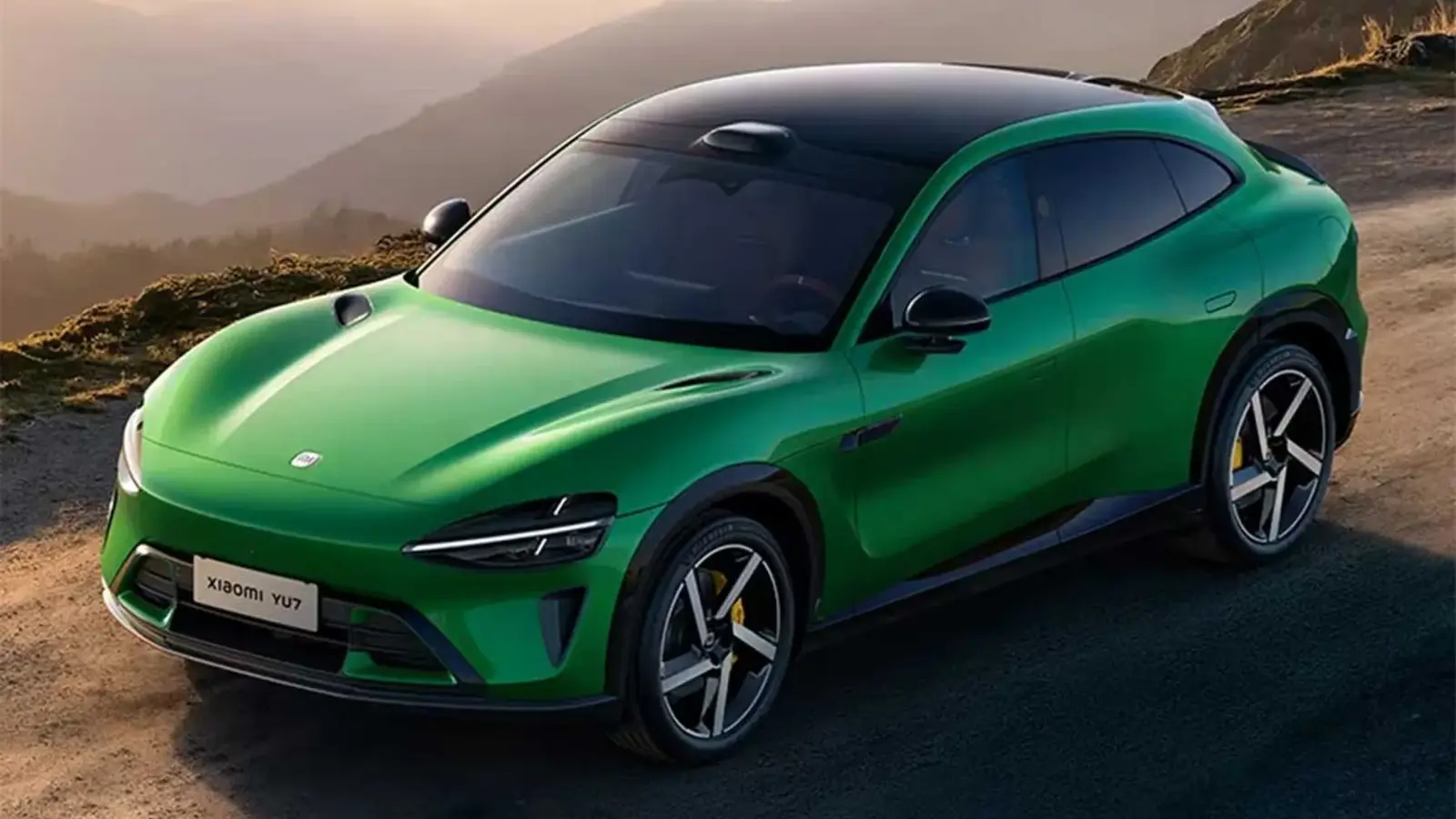
Xiaomi has quietly vaulted into the top tier of China's electric vehicle market. With a sharp ramp-up in production of its compact electric crossover, the YU7, the tech giant has logged consecutive monthly sales records and dramatically shortened delivery wait times for many buyers.
For the third month in a row, Xiaomi reported rising sales after adding the YU7 to its lineup. In September the company sold 41,948 electric vehicles—its first month above the 40,000 threshold—and it expects October to exceed that level as well. Those figures indicate annual production capacity is on track to surpass 500,000 vehicles, a striking achievement for a brand that was primarily known as a smartphone maker just two years ago.
Faster handovers despite long queues
As production speeds up, customers who preordered the YU7 are seeing meaningful improvements in delivery timing. Some buyers have had their delivery dates moved forward by roughly 10 weeks—meaning a March 2026 handover instead of June 2026. New orders still face waits of around 37–40 weeks, which remains lengthy but is substantially better than earlier lead times.
Critics have argued that falling wait times could reflect cancellations or weaker demand, but the sales data tell a different story. The steady increase in monthly EV sales suggests demand is outpacing current manufacturing capacity, not collapsing.
Where YU7 fits in Xiaomi's EV lineup
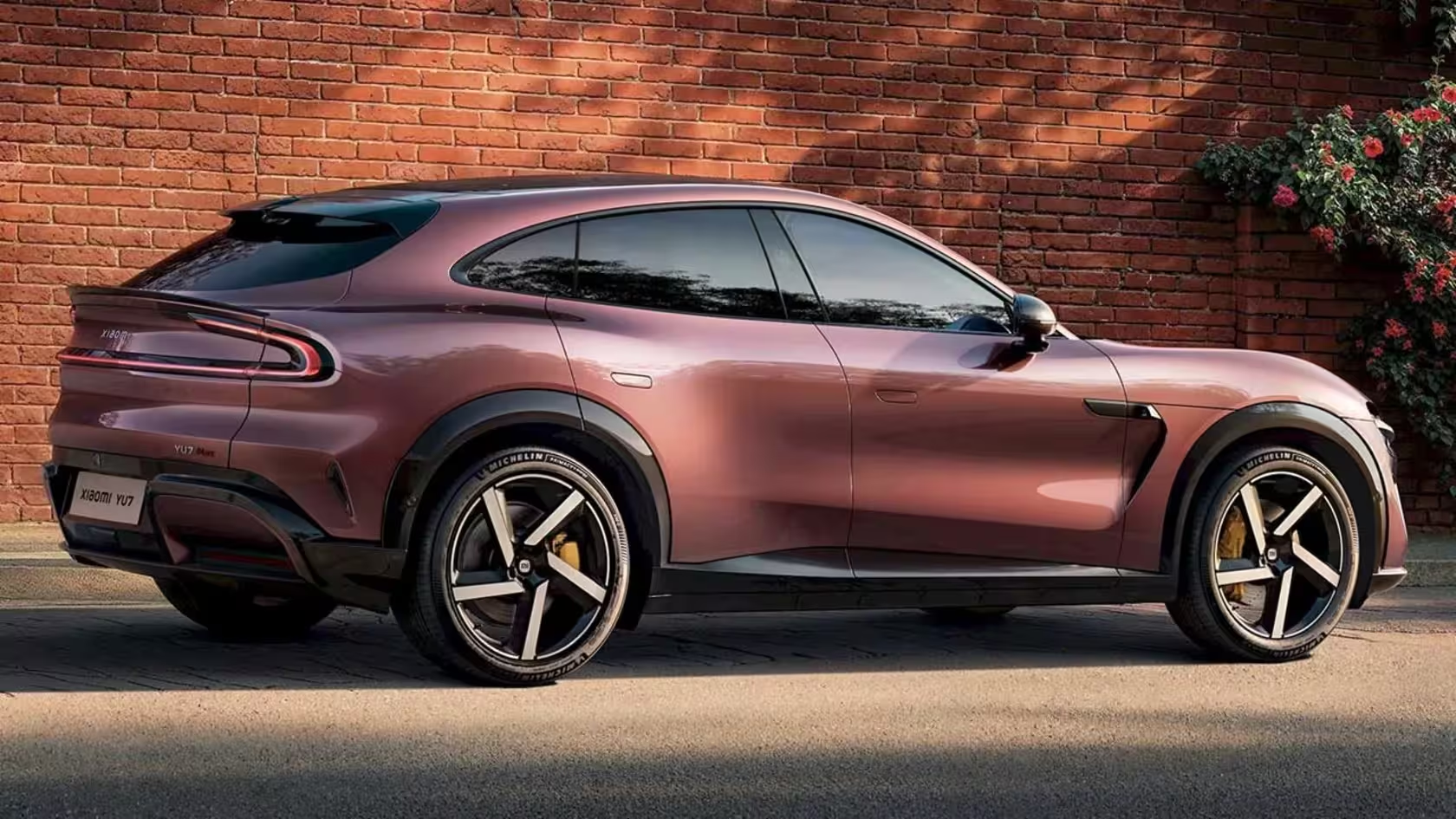
YU7 is Xiaomi's second EV after the SU7 sedan. Positioned as a compact electric SUV/crossover, the YU7 targets mainstream buyers looking for a blend of style, tech and efficiency. While Xiaomi hasn’t published a full spec sheet for every market, the YU7 is designed to compete on:
- Practical interior space and modern infotainment
- Competitive electric range and charging performance
- Value-driven pricing compared with legacy automakers
These features, together with Xiaomi’s experience in consumer electronics and software, help explain why buyers are willing to wait.
Market implications and context
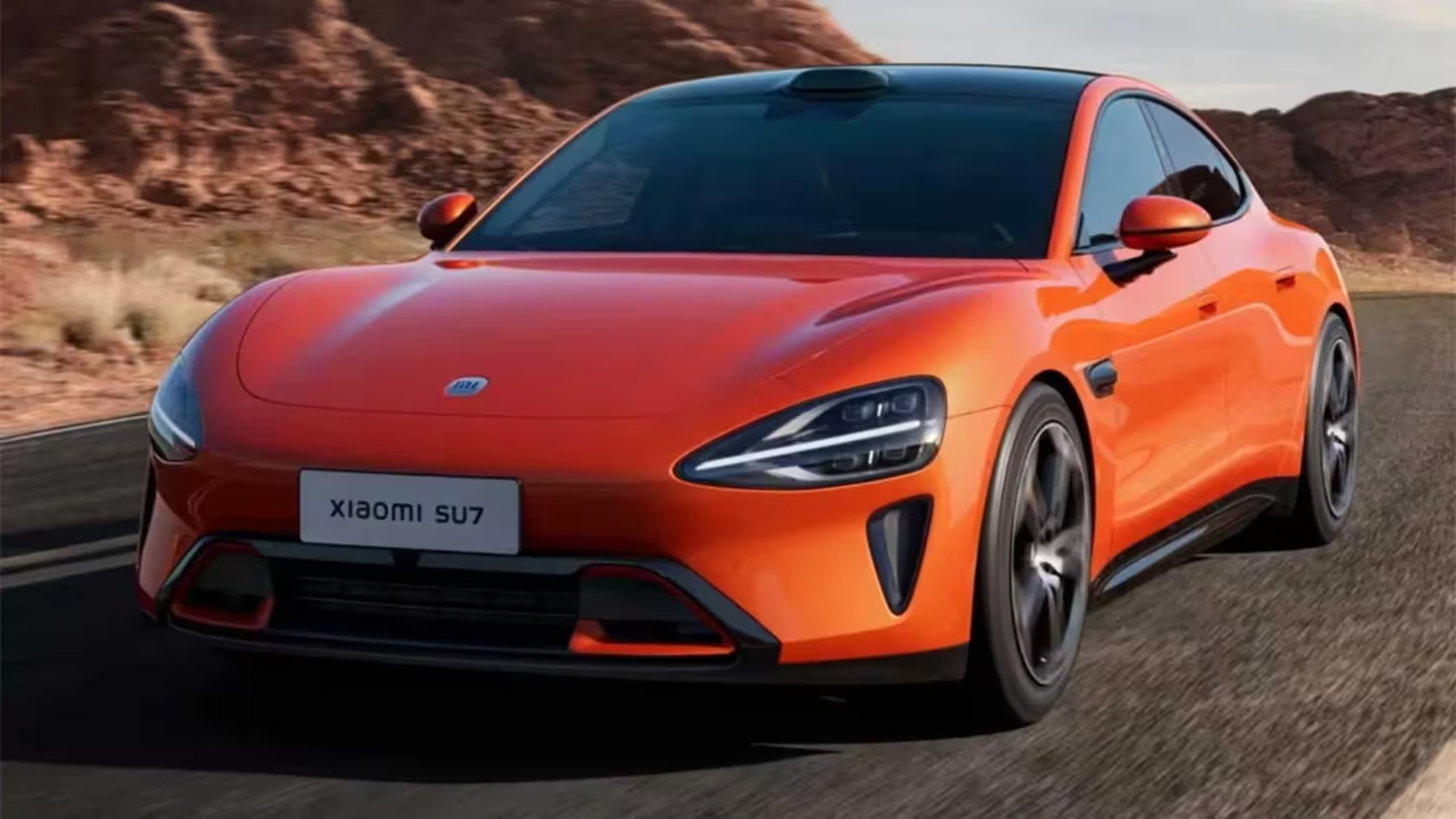
Xiaomi’s rapid traction is notable when compared to other tech giants. Apple, after years of rumors about a car, reportedly shelved its electric vehicle project. Xiaomi, by contrast, has launched the SU7 sedan and now the YU7 crossover successfully, demonstrating that a well-funded consumer-tech company can cross into vehicle manufacturing and quickly scale.
Quote: "The YU7's arrival has accelerated Xiaomi's EV roadmap, showing demand far outstrips current production capacity," said an industry analyst.
What to watch next
- Will Xiaomi sustain monthly sales above 40,000?
- How quickly can the company expand capacity toward a 500k annual run-rate?
- How will legacy automakers respond on price and features?
As Xiaomi continues to build factories and refine production lines, the YU7’s success could reshape expectations for tech-branded electric vehicles in global markets.


“I cover automotive innovation, electric vehicles, and the future of mobility — where technology meets sustainability.”

Discussion
Leave a Comment
Comments
No comments yet. Be the first.