
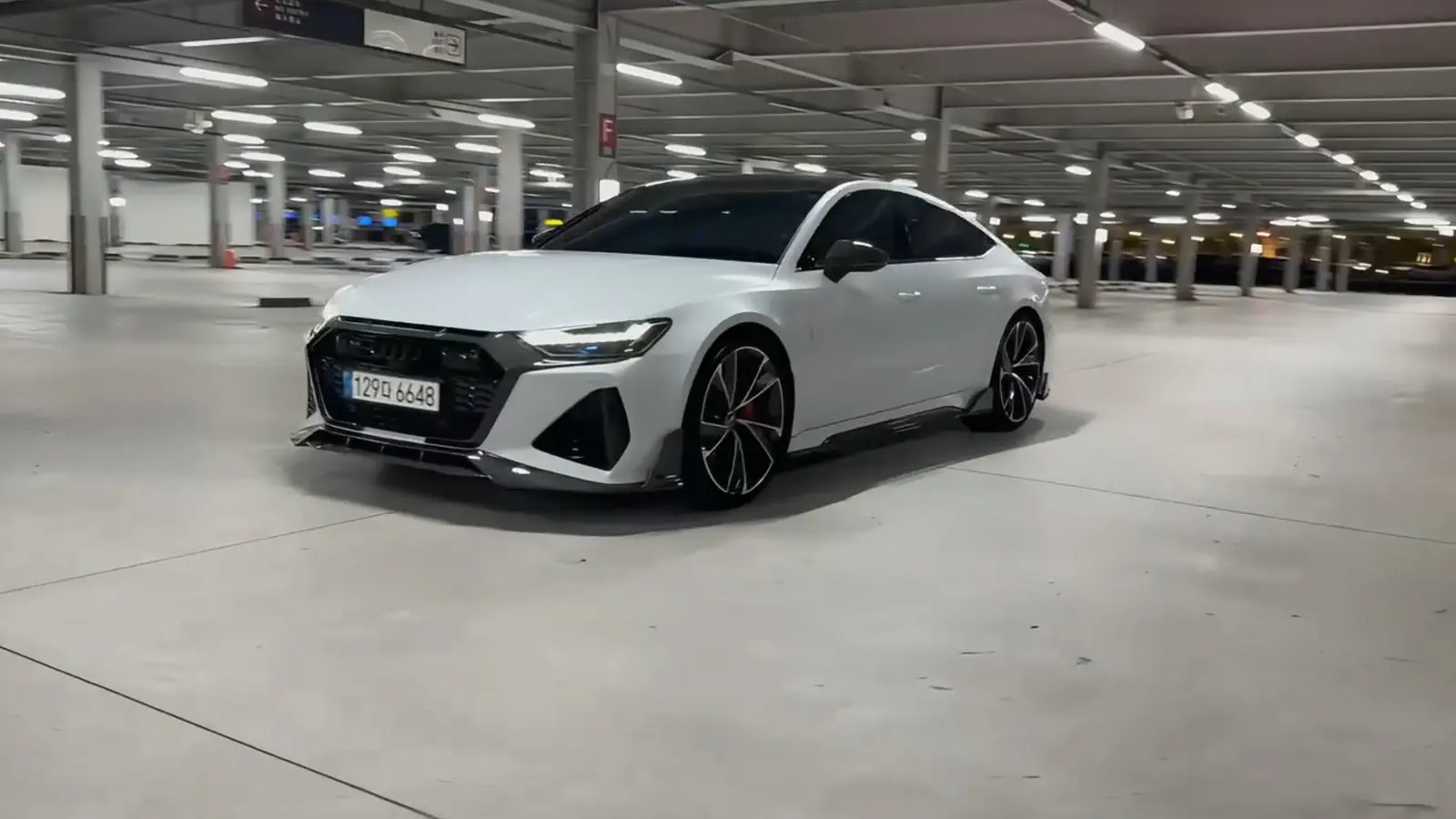
Korean Owner Gives RS 7 a Subtle Carbon Fiber Upgrade
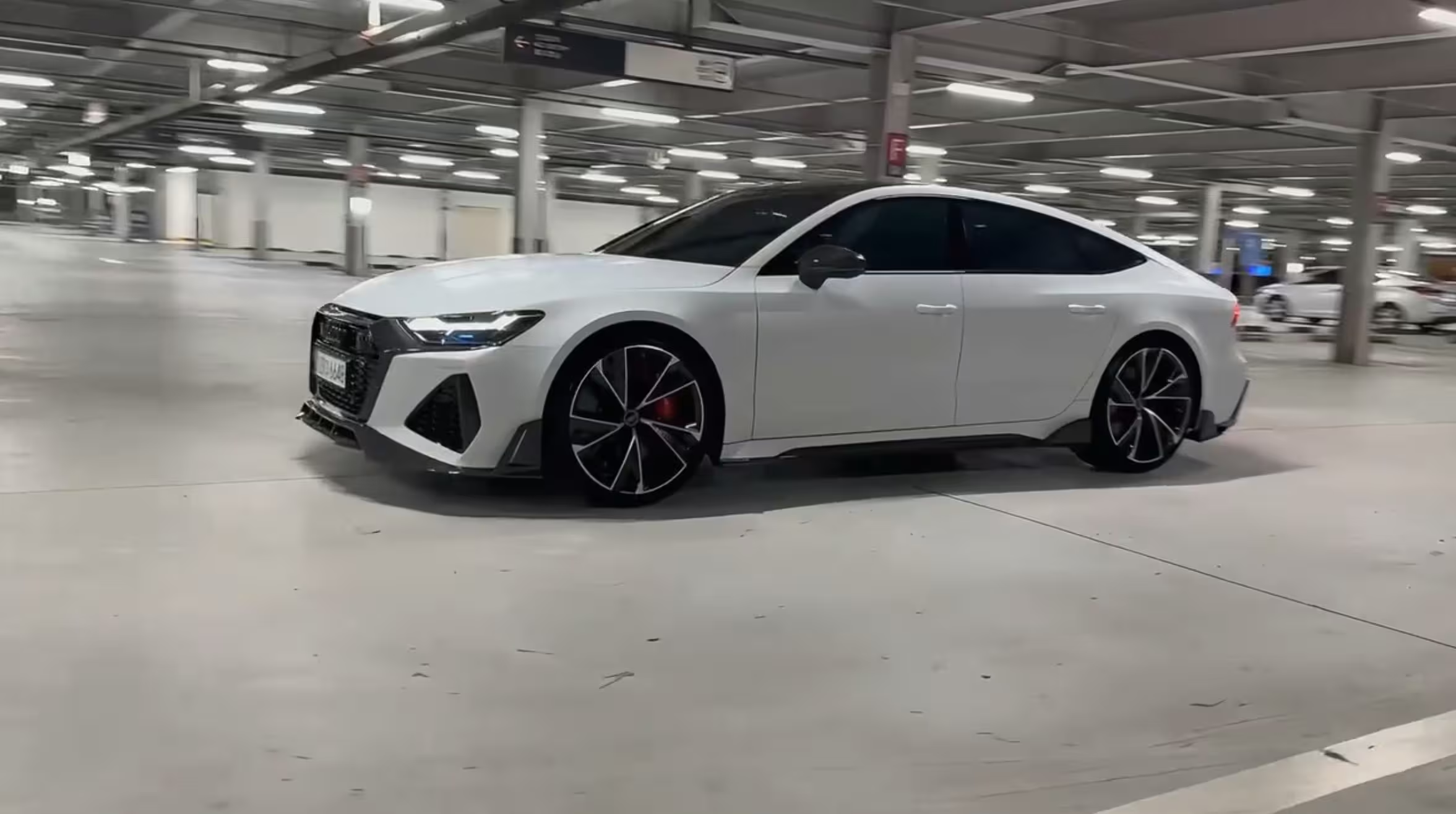
A white Audi RS 7 Sportback recently surfaced online showing a tasteful carbon fiber transformation — and it wasn't executed by Audi's own design team. The vehicle, reportedly based in South Korea, is fitted with a Soft Body Kit from DarwinPro Aero that accentuates the RS 7's aggressive lines while remaining restrained and elegant.
What was changed?
The visual package emphasizes lightweight, high-contrast elements that work with the RS 7's factory sheetmetal rather than overpowering it. The main exterior modifications include:
- Carbon-fiber grille surround and an aftermarket chin spoiler with side blades
- New side skirts and a tailgate spoiler to sharpen the profile
- A rear diffuser featuring a four-fin layout and a central reflector-style light
- Large dual-tone alloy wheels with visible red brake calipers
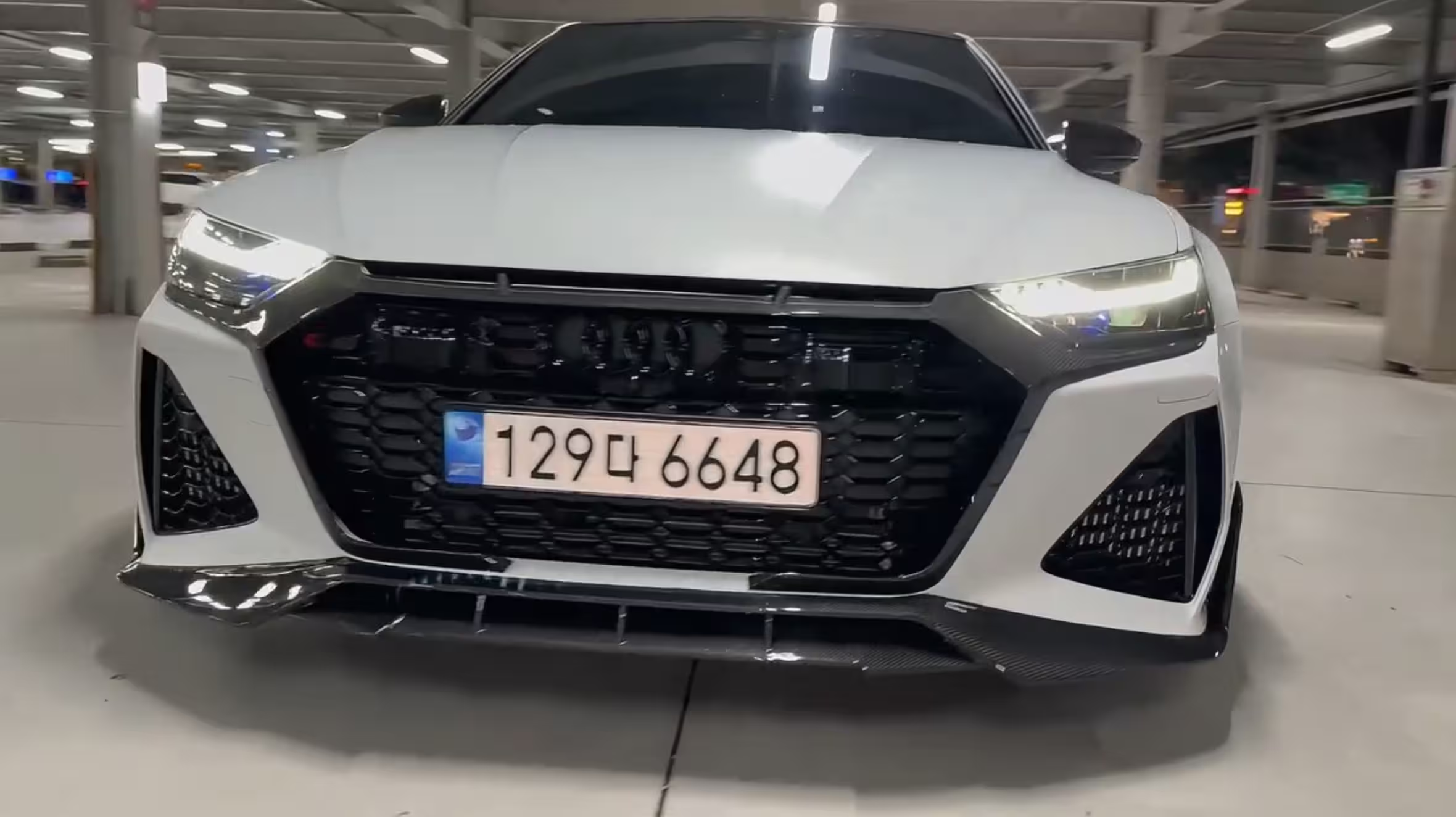
These subtle carbon fiber parts create visual depth against the car's white paint, giving the Sportback a more purposeful stance while preserving the model's factory character. The kit focuses on contrast and refinement: glossy dark surfaces juxtaposed against a bright body color tend to read as precision detailing rather than aggressive tuning, an approach many owners prefer when they want to enhance, not redefine, a high-end grand tourer.
Wheels and stance: stock or aftermarket?
The Sportback in the photos wears a set of sizeable dual-tone wheels with Audi's four-ring badge in the center. At a glance, it's not certain whether these are factory Audi OEM wheels or high-quality OEM-style aftermarket replicas, but the overall fitment is intentional: wide enough to fill the arches while maintaining appropriate clearance for suspension travel and steering geometry. The bright red brake calipers remain visible, reinforcing the RS 7's performance identity.
A short cinematic clip shared by DarwinPro Aero on social media — reportedly recorded by the owner in a parking lot — demonstrates how the Soft Body Kit alters the car's presence without drifting into extreme tuner territory. For many enthusiasts, that balance is desirable: the car looks distinctive and modern, but still like a plausible factory variation rather than a daily-driven project car.
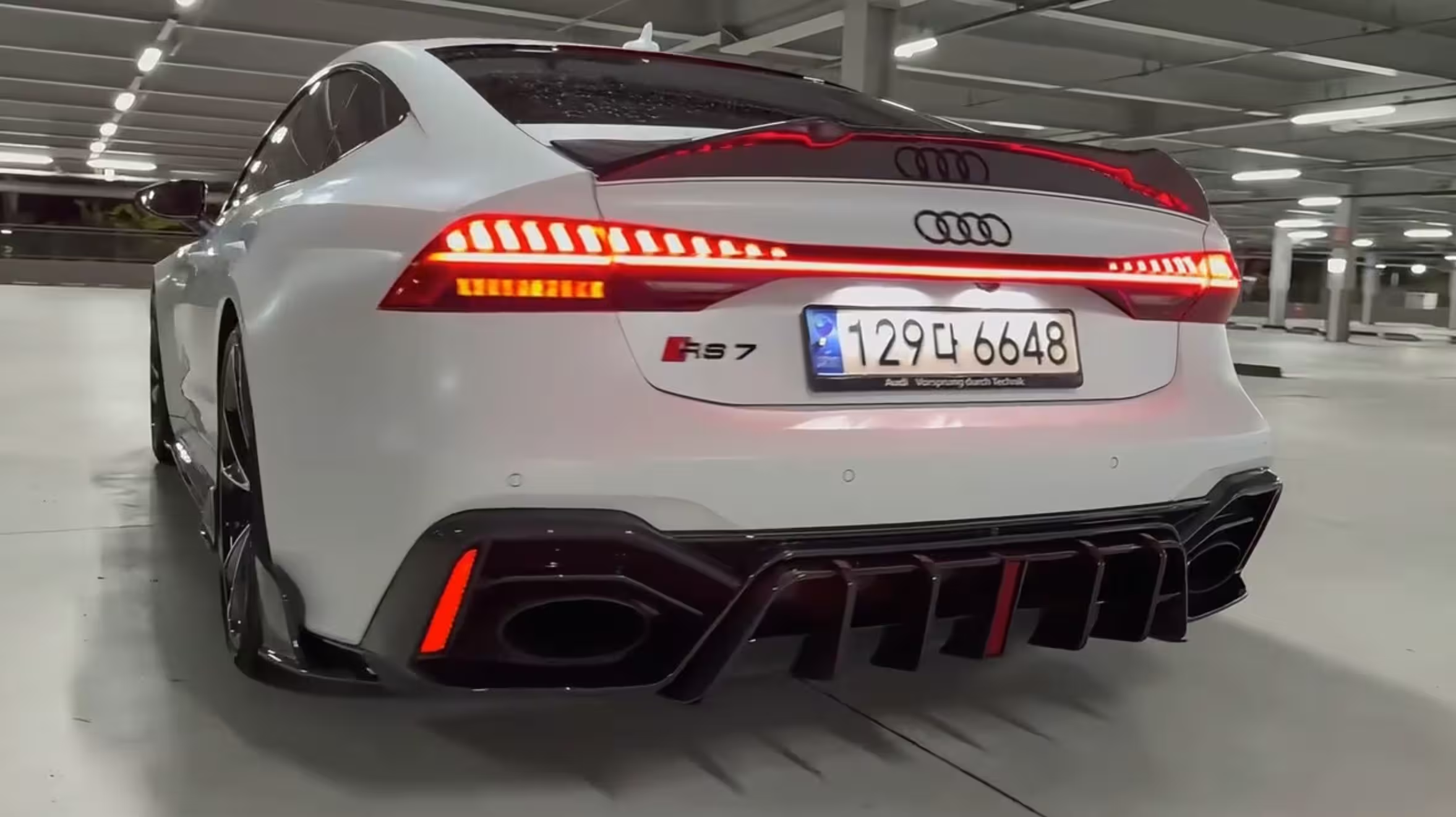
Design intent and materials
Carbon fiber is used primarily for visual impact and weight management in well-executed kits. In this example, the material choice serves several purposes: it provides a high-contrast finish against the white paint, offers a perceived premium upgrade, and reduces unsprung mass in areas where lightweight components make a tangible difference. The grille surround and chin spoiler in particular appear to be glossy carbon fiber, showing a tight weave that implies factory-style molding and quality control.
Beyond aesthetics, a properly designed carbon-fiber body kit can have aerodynamic benefits. Chin spoilers and side blades can influence airflow under the car, reducing lift at higher speeds and improving stability. Rear diffusers and tailgate spoilers help manage wake turbulence, which can reduce drag and improve rear-end downforce. While the DarwinPro Aero package shown here looks primarily aimed at style, informed buyers often seek kits that offer both visual refinement and measurable aerodynamic gains.
Performance reminder: the RS 7 under the skin
While the exterior changes are the most visible, the RS 7 Sportback retains its factory drivetrain and chassis systems, which are central to the car's appeal. Key performance specifications for the second-generation RS 7 are well-documented and help explain why enthusiasts choose this platform for tasteful customization:
- Engine: 4.0-liter twin-turbocharged V8 with mild-hybrid assistance
- Power: 621 bhp (approximately 463 kW / 630 PS)
- Torque: around 647 lb-ft (850 Nm)
- 0-62 mph (0-100 kph): roughly 3.4 seconds in standard configuration; some stock examples and optimized variants have unofficially approached 3.0 seconds in real-world testing
This hardware combination delivers both comfortable daily usability and supercar-like acceleration, making the RS 7 a popular canvas for owners who want to enhance styling, handling, or exhaust character without necessarily increasing peak power. Many tuning shops and owners opt to keep the engine largely stock when pursuing understated exterior upgrades, prioritizing reliability and factory-like drivability over headline-grabbing horsepower figures.
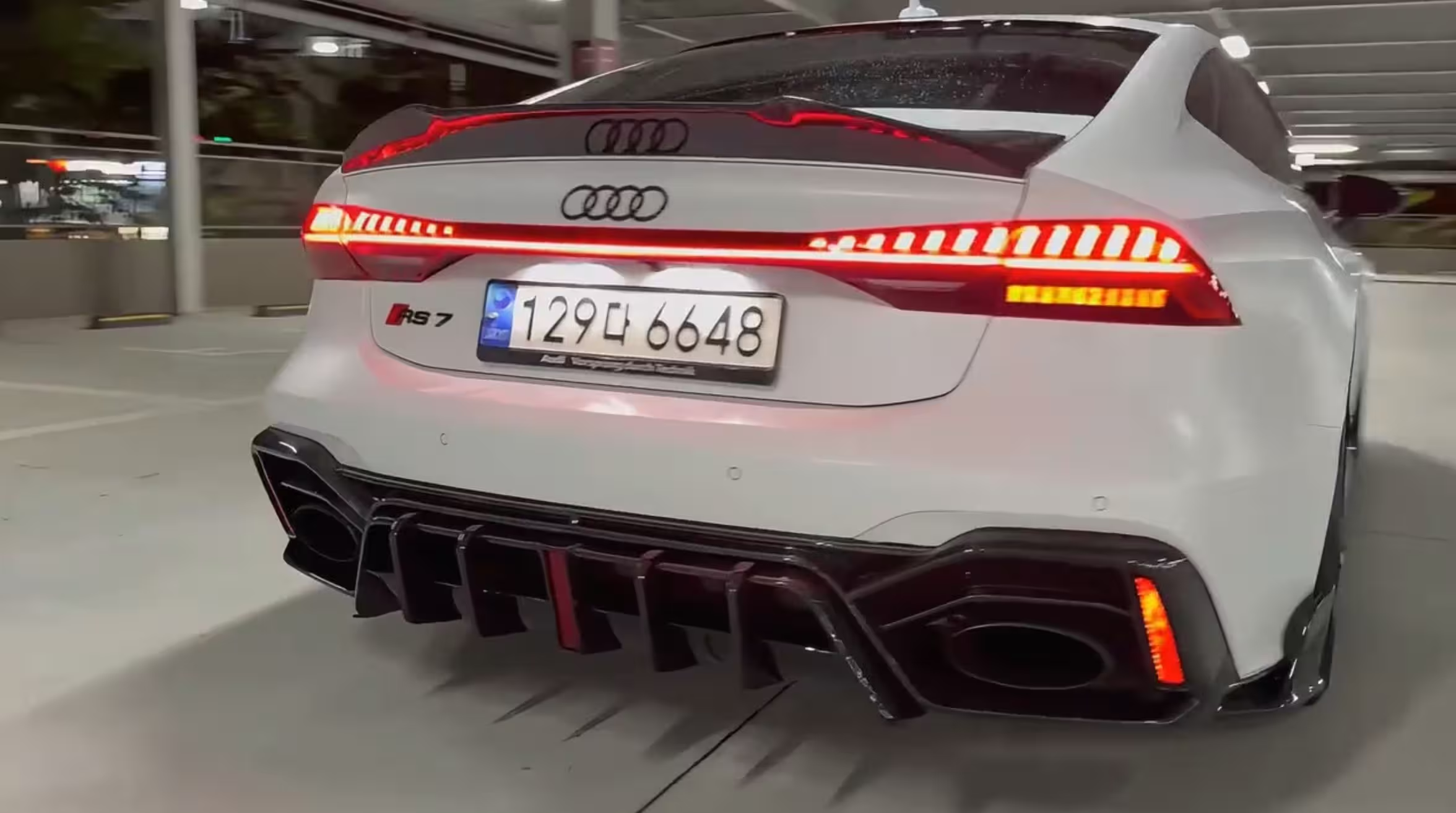
Fitment, ride height, and handling considerations
Wheel fitment and ride height are critical to achieving a cohesive look while preserving the RS 7's dynamic behavior. The photographed car appears to sit at a factory-like ride height, suggesting the owner retained stock suspension tuning—likely air suspension in many RS 7 setups—which allows for adjustable ride height and a comfortable compromise between daily comfort and spirited driving dynamics.
Owners considering similar cosmetic upgrades should keep a few technical points in mind:
- Clearance: aftermarket chin spoilers and side skirts must account for road curvature, speed bumps, and curb approach angles to avoid premature damage.
- Wheel offset and tire sizing: proper offset preserves suspension geometry and prevents rubbing; professional measurement is recommended before swapping wheels.
- Brake cooling: larger wheels can improve airflow to brake systems, but aggressive cosmetics that restrict airflow can raise operating temperatures.
- Weight distribution: while carbon fiber reduces component mass, the overall effect on handling is typically modest for exterior parts; however, every reduction in unsprung mass can incrementally improve response.
Why tasteful tuning matters for high-end performance cars
There are several reasons many RS 7 owners favor subtle upgrades rather than extreme modifications. Tasteful tuning respects the vehicle's original design intent, maintains resale value, and reduces the risk of compromising reliability or warranty coverage. For a model like the RS 7 Sportback, which blends luxury and performance, restrained visual enhancements can amplify the car's strengths without turning it into a show-only vehicle.
Key advantages of a measured approach include:
- Preserved drivability: keeping powertrain components stock or lightly tuned helps maintain smooth power delivery and long-term durability.
- Higher resale appeal: buyers of late-model performance cars often prefer examples that look refined and well-maintained rather than heavily modified.
- Balanced aesthetics: enhancements that complement factory lines are more likely to age gracefully and be seen as tasteful upgrades instead of fad-driven changes.
DarwinPro Aero and the global aftermarket scene
DarwinPro Aero is one of several specialist manufacturers producing body kits and aerodynamic components for premium and sports cars. Companies in this segment typically balance visual design, material quality, and aerodynamic testing to varying degrees. While some kits are designed primarily for show, others are engineered with wind tunnel data or CFD (computational fluid dynamics) analysis to deliver measurable gains.
In markets like South Korea, Japan, the UK, and select parts of Europe and North America, there's a strong culture of customizing high-end cars with parts that either echo factory options or offer an elevated design language. The presence of a DarwinPro kit on an RS 7 highlights how global aftermarket brands can provide alternatives to official manufacturer accessories while still appealing to owners who want a refined aesthetic.
Market context and why this matters
Audi is winding down production of the second-generation A7 and its range-topping RS 7 Sportback. That production timeline elevates interest in well-executed examples—especially those that respect the model's original design language. As manufacturers transition to new platforms and new RS models (such as anticipated future RS 6 iterations in sedan and Avant forms), the current RS 7 may increasingly be viewed as a last-of-its-kind model for collectors and enthusiasts.
When supply of a specific generation starts to decline, cars that are sympathetically modified—upgrades that enhance aesthetics or minor performance elements without altering the car's fundamental character—often maintain or even increase in desirability. The DarwinPro-equipped RS 7 shown here fits that profile: it is distinct enough to be noticed but conservative enough to remain broadly appealing.
Quote: 'Sometimes subtle upgrades are the most effective — this RS 7 proves that,' said a moderator from a well-known tuner community after the DarwinPro Aero post. Comments like this reflect a broader sentiment within performance car circles: incremental, quality-focused modifications often deliver the best combination of appearance, function, and long-term value.
Cost, installation, and ownership considerations
Owners contemplating a similar carbon fiber upgrade should budget for multiple factors beyond the headline price of a kit. Typical considerations include:
- Parts cost: high-quality carbon-fiber components are more expensive due to material and manufacturing costs; prices vary widely based on brand and finish.
- Paint and prep: blending or color-matching adjacent panels can increase costs if components are painted or partially painted.
- Professional installation: precision fitment is important for aesthetics and longevity; professional installers can ensure correct alignment and secure mounting.
- Warranty and insurance: confirm whether aftermarket parts affect existing warranties and check insurance policies for coverage implications.
- Maintenance: carbon fiber surfaces require different care than painted panels; protecting clear coats and avoiding abrasive cleaners helps maintain the finish.
For owners who want to maintain warranty protection while adding visual upgrades, some opt for reversible modifications or use parts that can be easily removed before service visits. This pragmatic approach balances personalization with practical ownership needs.
Practical next steps for interested owners
If you’re considering a similar transformation for an RS 7 or another high-performance grand tourer, here are recommended steps:
- Research reputable brands and compare weave quality, finish options, and real-world reviews.
- Seek out owner photos and videos to evaluate how parts look on the vehicle in different lighting and angles.
- Consult with a qualified installer about fitment, hardware, and any required modifications to existing trim or sensors.
- Request references or examples of previous installations from the vendor or shop to verify workmanship quality.
- Consider the total cost of ownership, including maintenance and insurance implications, before committing.
Why the RS 7 remains a popular tuning platform
The RS 7 Sportback combines a powerful drivetrain, advanced chassis technology, and a high-quality interior package, which together create a platform that responds well to tasteful personalization. While the car is capable of significant power upgrades, many owners prefer enhancements that emphasize design coherence, functional aerodynamics, and quality materials. The balance of luxury and performance also means owners often prioritize long-term reliability and retain the vehicle's usability as a daily driver.
From an aftermarket perspective, cars like the RS 7 attract both boutique tuners and larger manufacturers because they offer a large addressable market of discerning buyers. The combination of performance, prestige, and platform longevity makes the RS 7 an attractive candidate for bespoke and limited-run body kits, custom wheels, and interior refinements.
Conclusion
Whether you appreciate carbon fiber styling, aftermarket wheels, or high-performance grand tourers, the Korean-tuned Audi RS 7 shown here is a clear example of how restrained modifications can enhance an already potent package. The DarwinPro Aero Soft Body Kit accentuates the RS 7’s lines without masking the car’s character, and the choice to maintain strong factory performance underscores a preference for balance over extremes.
For enthusiasts, this RS 7 reinforces a key idea in modern vehicle personalization: high-quality, tasteful upgrades can increase visual appeal and owner satisfaction without sacrificing the fundamentals that made the car desirable in the first place.
Highlights
- Tasteful carbon-fiber Soft Body Kit from DarwinPro Aero
- Strong factory performance remains unchanged
- Growing interest as the second-gen RS 7 nears end of production
In short, for those who value subtlety, quality materials, and a coherent design approach, this Korean-owned RS 7 offers a compelling template: make purposeful changes that complement the car's original strengths rather than competing with them.

“Cars are evolving faster than ever. I cover electric vehicles, smart mobility, and the future of transportation worldwide.”

Discussion
Leave a Comment