
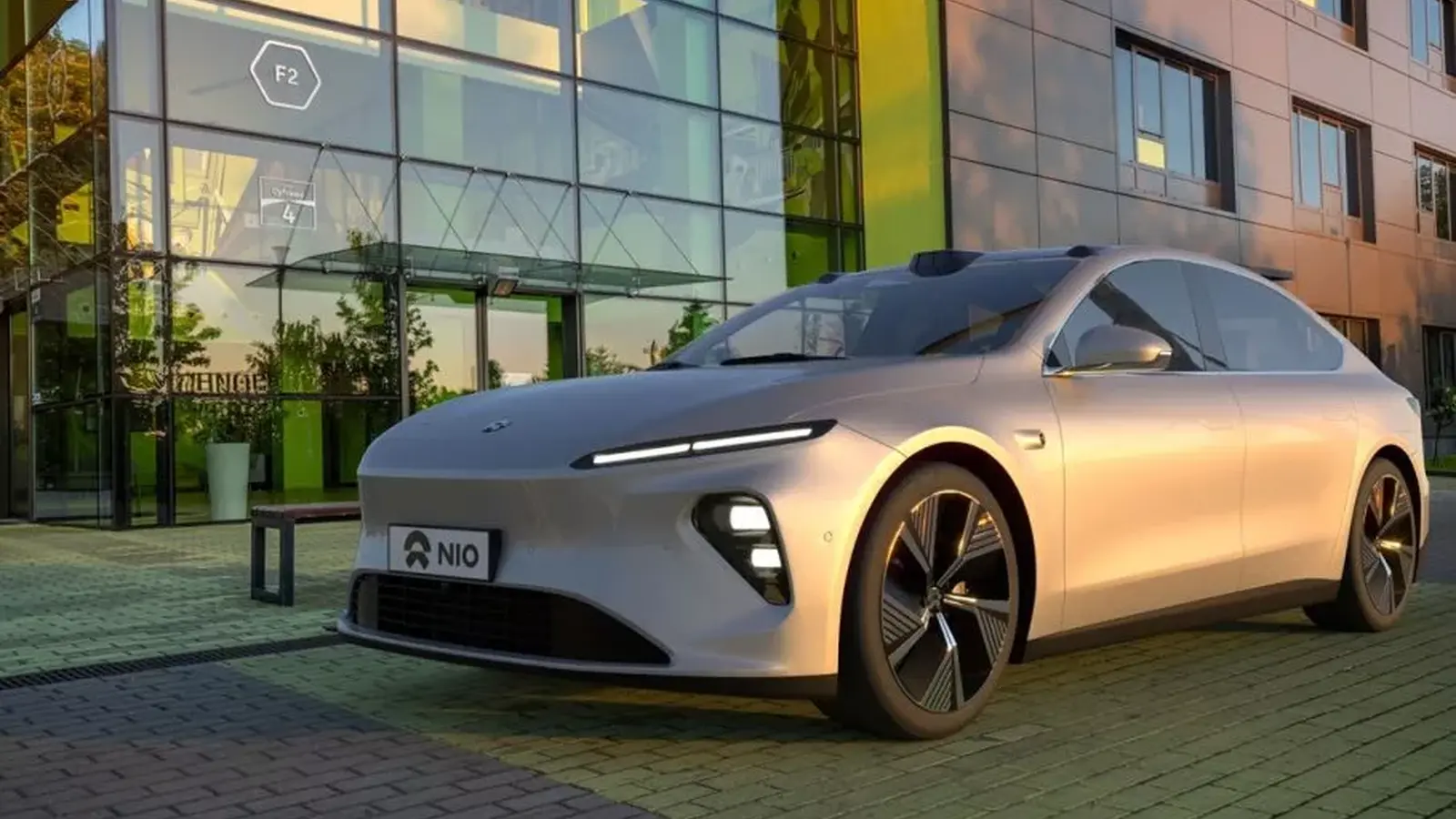
New studies: Chinese electric cars and electromagnetic safety
A wave of recent testing — including work by the German Automobile Club ADAC and China Automotive Technology and Research Center (CATARC) — has eased concerns about electromagnetic field (EMF) exposure in electric vehicles. The findings show that modern electric cars, especially recent Chinese models, emit far lower electromagnetic radiation than many feared, and in many cases substantially less than traditional gasoline cars.
Key findings from ADAC and CATARC
ADAC tested 11 battery-electric vehicles, several plug-in hybrids and one gasoline car. Peak EMF readings tended to be near occupants feet, while head and torso zones registered minimal exposure. Importantly, all measured values were well below international safety limits. Charging had only a modest effect on EMF levels, and notably DC fast charging often produced lower readings than slower AC charging.
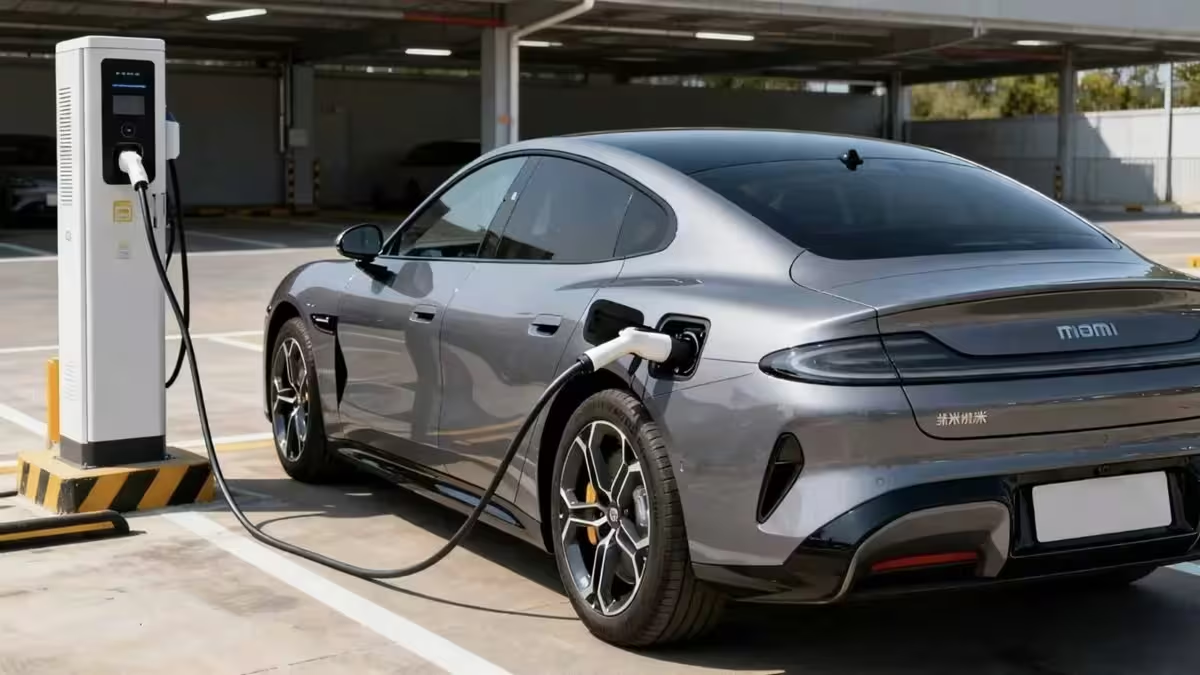
CATARC, which evaluated over 300 vehicles in 2025, has driven the conversation further by promoting the NESTA certification system for new-energy vehicles. NESTA assesses cars across six safety domains: charging safety, electromagnetic safety, functional safety, high-voltage safety, battery safety and fire safety.
Chinese models earning high marks
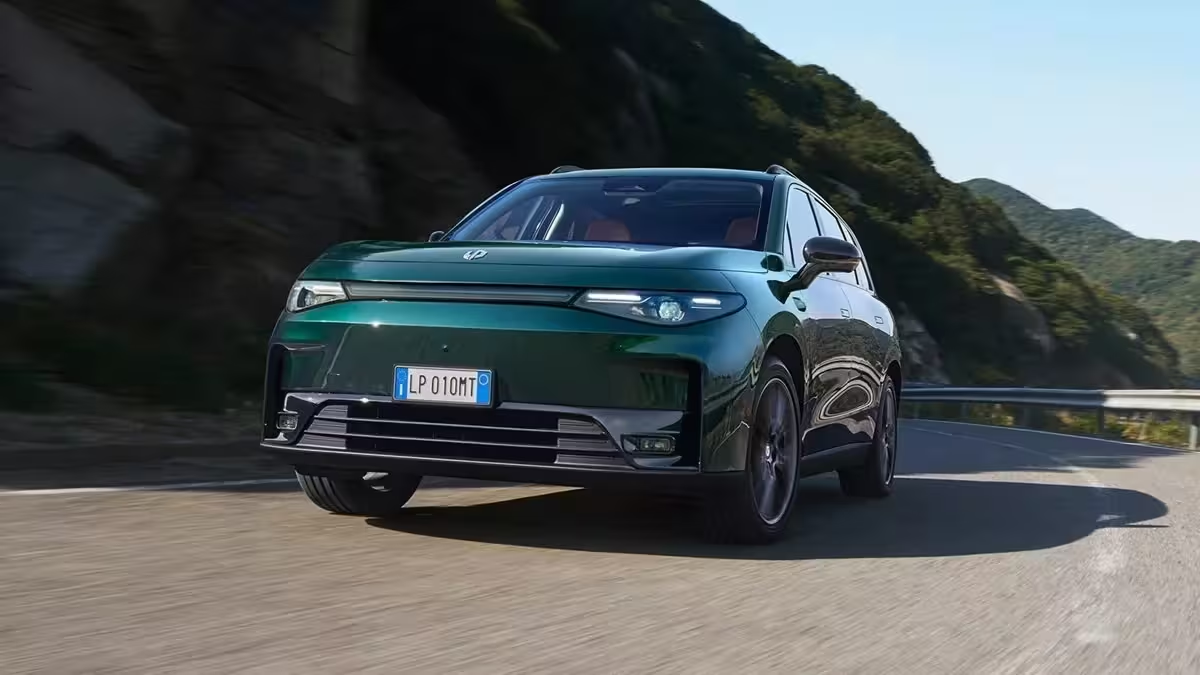
Fourteen Chinese models have already secured NESTA approval. Highlights include AITO M7, JETOUR Zongheng G700, Omoda/Enovate L90, Li Auto i8, M-Hero M817, FALCON A9L, Xiaomi YU7, BYD Han L, Lynk & Co 900, Oxid Exelentix ES/ET and Geely Galaxy Starship 7 EM-i.
NESTA also named top performers in each category for 2025. Examples:
- Charging safety: BYD Han L, Lynk & Co 900, Hyundai Alexio
- Electromagnetic safety: Mercedes-Benz CLA, Li Auto i8, ZEEKR 9X, Geely Galaxy M9
- Battery safety: JETOUR Zongheng G700, AITO M7, M-Hero M817, Toyota bZ3X
- Fire safety: SAIC H5, AITO M8, Omoda L60, iCar V23
These results underline a broader trend: Chinese automakers are investing heavily in safety and certification to compete in global EV markets.
How low are the EMF levels?
Measured cabin magnetic fields were extremely low. Typical readings in the front row ranged from 0.8 to 1 microtesla (μT), with rear seats at about 0.3 to 0.5 μT. To put that in perspective, China’s safety threshold is 100 μT — meaning in-cabin levels are only about 1% of that limit. Everyday household items such as electric blankets can emit 10 to 50 μT, which further highlights how modest EV exposure levels are.
Bottom line: current generation Chinese electric cars deliver reassuringly low electromagnetic emissions, and widely adopted certification programs like NESTA give buyers measurable proof of safety.
What drivers should know
- EMF exposure inside modern EVs is well below international safety limits
- DC fast charging does not necessarily increase EMF risk compared with AC charging
- Certification systems and public testing are making EV safety more transparent
For consumers and car enthusiasts, the takeaway is clear: concerns about EMF in EVs should be tempered by the data, and Chinese manufacturers are achieving strong validation as they expand globally.

“I cover automotive innovation, electric vehicles, and the future of mobility — where technology meets sustainability.”

Discussion
Leave a Comment
Comments (2)
wow, EVs safer than I thought. Chinese makers stepping up, NESTA sounds legit. still, where are long term studies? battery fire stats?
Is this even true? 0.8 μT sounds tiny but who measured, under what conditions... DC fast charging lower than AC? seems odd, need raw data pls