
A federal judge has issued a landmark ruling that forces Google to limit all default search agreements to one year — a decision that could upend the search giant's long-standing shortcuts to default placement on phones and browsers.
Yearly renewals: how the rule reshapes default search deals
The U.S. District Court for the District of Columbia, presided over by Judge Amit Mehta, ordered that any contract giving Google default search status on devices or within AI-powered apps must last no longer than one year. This is an extension of the court’s 2024 finding that Google held an unlawful monopoly in the search and advertising markets. Rather than allowing multi-year lock-ins, the new ruling requires annual renegotiation for default placement.
Practically speaking, Google can still pay device makers and browser vendors to be the preselected search engine. But the decision removes the safety net of multi-year agreements that previously cemented Google’s dominant position. The idea is straightforward: shorter contracts make room for rivals to compete for default spots, especially emerging AI-powered search alternatives.
What this means for Apple, Samsung and the AI arms race
Major partners like Apple and Samsung have historically signed multi-year deals that helped entrench Google's reach across billions of devices. Under the new rule, those ties must be renegotiated annually — a change that reduces Google’s long-term leverage and opens a periodic window for competitors to bid for default status.
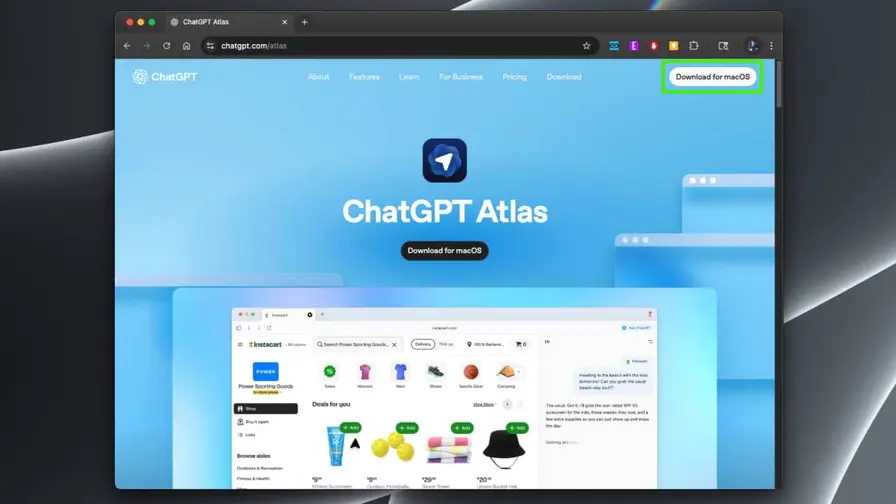
The timing matters. Google faces growing pressure from AI-focused challengers. OpenAI recently introduced the Atlas browser with ChatGPT-driven search features, and other AI browsers such as Comet from Perplexity are vying for users as well. Annual contracts could let those newcomers secure trial runs as default options on more devices, improving their visibility and adoption.
Judge Mehta emphasized that the one-year cap is necessary to enforce antitrust remedies effectively and to let competition breathe. While Google has signaled it will appeal multiple antitrust orders — including related rulings on the Play Store and past threats around the Chrome browser — the immediate effect is to limit the long-tail advantage that multi-year deals produced.
For consumers, the change could mean more variety in which search engines or AI assistants appear out of the box. For device makers, it creates regular opportunities to re-evaluate partnerships and potential new revenue streams. And for competitors, it’s a structural chance to win placement that was once locked down for years.
Whether annual renewals will rapidly translate into meaningful market share shifts remains to be seen. Contracts can still be renewed year after year, and Google retains deep pockets. But forcing yearly renegotiations introduces friction into a system that long favored incumbency — and in tech, even a small shift in default placement can change user behavior overnight.

“I cover emerging technologies, digital innovation, and the intersection of tech and everyday life. My goal is to make complex trends accessible and inspiring.”

Discussion
Leave a Comment
Comments (2)
wow didn't expect that, this could actually shake things up! finally a crack in the default fortress. still, expect appeals and delays 🤔
is this even real? Google can just renew every year, keep paying, so defaults may not change much. though AI browsers might get a foot in the door, curious...