
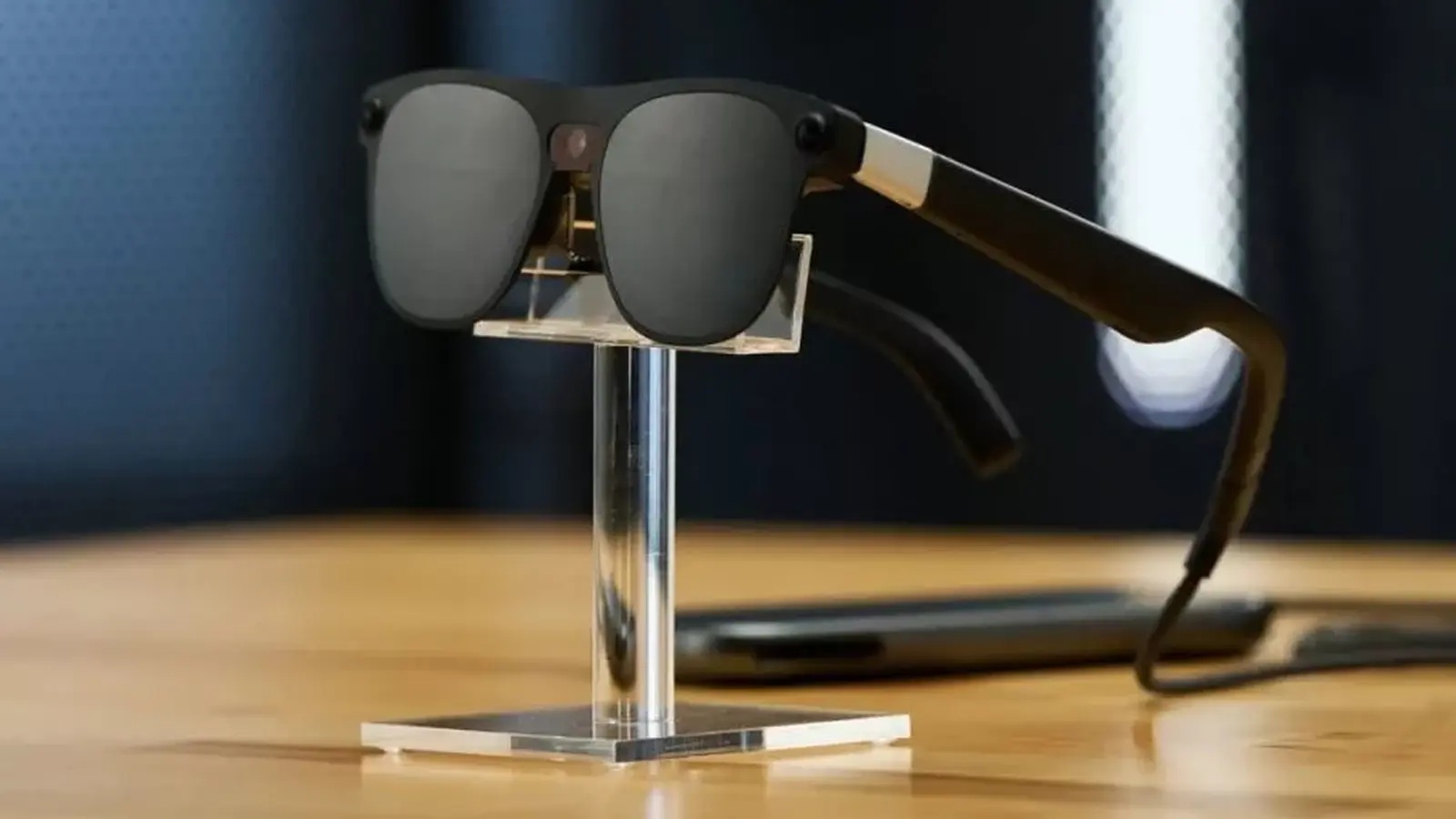
Google is rethinking wearable XR by betting on subtle, stylish smart glasses rather than bulky headsets. Over the next two years the company plans to roll out three distinct Android XR models designed to blend into daily life and bring AI-powered visual assistance to the street and office.
A two-year roadmap: three lightweight models
Instead of following a single-device strategy like some rivals, Google aims to cover different user needs with a trio of designs. Each targets a particular balance of features, weight and discretion:
- Audio-only (expected 2026): Looks like regular eyewear and drops a display entirely. It includes a camera, microphone and speakers so Gemini AI can analyze scenes, answer questions and take photos—no screen needed.
- Single-eye display (expected 2026): Builds on the audio model with a tiny, inconspicuous display over one lens. It shows navigation cues, ride-hailing status or music controls while keeping the frame lightweight.
- Dual-eye display (expected 2027): The premium option with displays for both eyes, enabling depth cues and richer mixed-reality experiences without the bulk of current headsets.

What makes these devices stand out is the software and partnerships behind them. Gemini AI is at the center of the experience, acting like a second pair of eyes: users can prompt the glasses with natural commands such as "look at this," ask for context about what the camera sees, request a photo, or get instant search results—often without touching a phone.
Design matters too. Google has teamed up with well-known eyewear labels like Gentle Monster and Warby Parker to make sure frames feel fashionable rather than gadgety. The aim is clear: hide the tech inside desirable, everyday eyewear so people feel comfortable wearing it in public and at work.

These moves signal a broader shift from stationary, heavy XR rigs toward subtle, assistive wearables. By offering choice—audio-first, single-eye, or full dual-eye mixed reality—Google is betting that a spectrum of lightweight glasses will ease mainstream adoption of augmented experiences.


“I cover emerging technologies, digital innovation, and the intersection of tech and everyday life. My goal is to make complex trends accessible and inspiring.”

Discussion
Leave a Comment
Comments
No comments yet. Be the first.