
3 Minutes
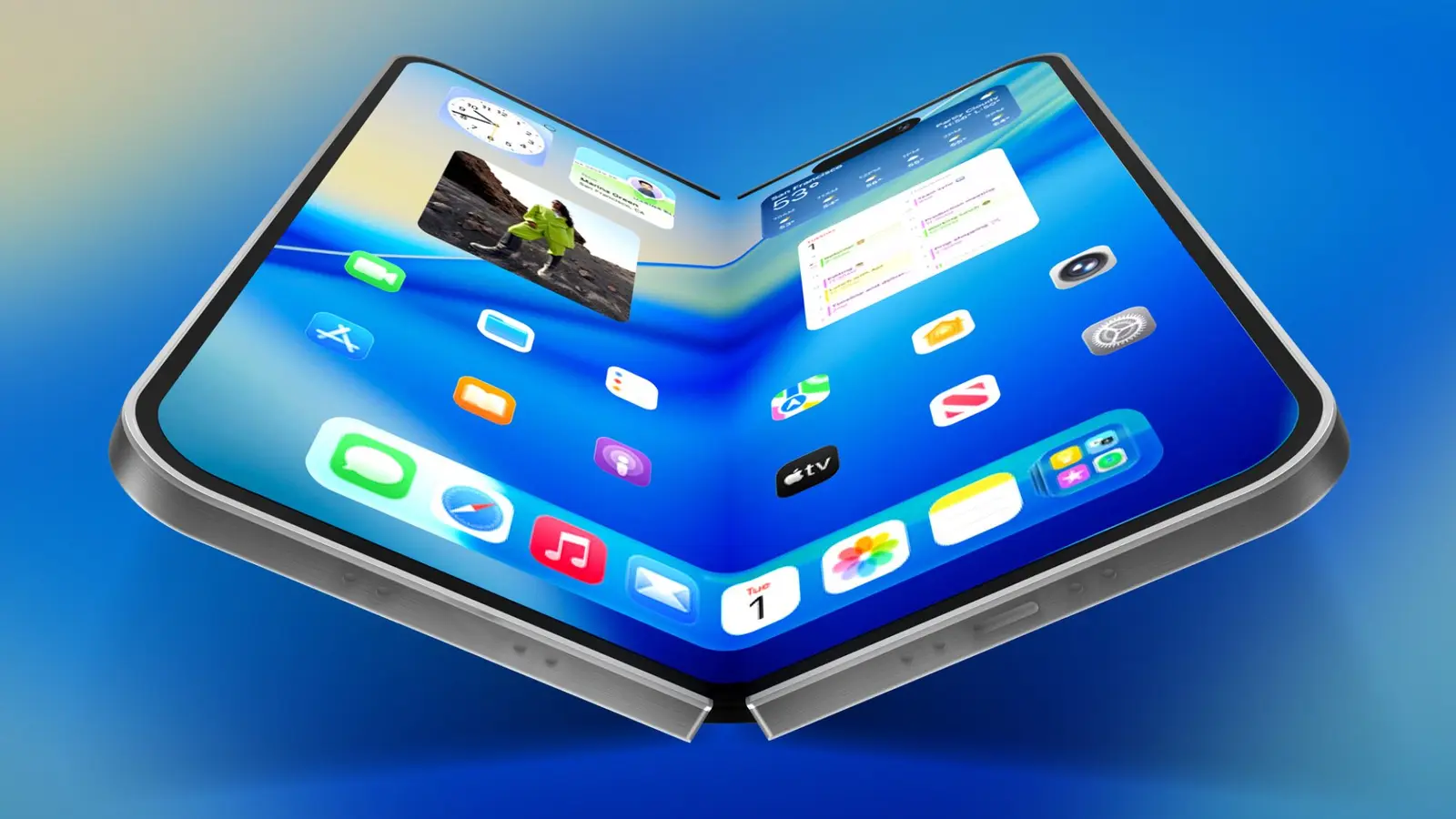
Imagine opening a phone and hearing a faint rattle where silence should be. That small sound has reportedly forced Apple to slow its foldable plans. The device once rumored for fall 2026 now appears likely to slip into early 2027, according to supply chain whispers and supplier hints.
When the hinge started talking
Whispers first centered on an intricate hinge that didn’t behave like Apple expects. Prototype units reportedly produced an audible noise as the hinge cycled, a flaw that risks hitting the perception of premium quality. Other voices in the chain pointed to SMT challenges on the PCB, a more technical snag tied to component placement and soldering on ultra-dense boards. Both problems are solvable. Both require time.
Then came the timing math. One supplier CEO signaled that "scheduling factors" could push a launch to early next year, and that comment landed like a nudge rather than a confirmation. Apple could still reveal the foldable with the iPhone 18 Pro models in September and delay shipments. Staggered rollouts make sense right now. TSMC’s 2 nanometer capacity is crowded, and memory remains constrained. Why rush when scaling in phases reduces risk?
Price is another story. Leaks suggest the base model will start around €1,840, while the top-tier SKU could retail near €2,024. That puts Apple’s entrant at the high end of the foldable market, but not outside expectation for a device positioned as a halo product.

A hardware recipe built for resilience
From what’s been gathered, the iPhone Ultra will lean heavily on advanced display engineering. Samsung’s M14 OLED panels are expected, paired with ultra-thin glass and flexible layers to minimize crease. Color Filter on Encapsulation will shave thickness, a flexible adhesive will reduce layer stress, and a reduced hinge area thickness aims to ease mechanical strain. Apple’s hinge design reportedly doubles as a heat sink and works alongside a dedicated vapor chamber to tame thermals.
Inside, the foldable is said to run Apple’s A20 Pro silicon, paired with 12 GB of RAM and Apple’s own C2 modem. Face ID may be absent, with biometric unlocking handled by Touch ID instead. Small trade-offs like that could be deliberate choices to balance reliability and design constraints on a folding form factor.
Does delay equal disappointment? Not necessarily. Apple has a history of postponing launches until engineering meets their bar for consistency. Customers waiting for a crease-free, quiet hinge and a dependable foldable experience might prefer a later ship date over first-run compromises.
For now, expect the iPhone 18 Pro and Pro Max to proceed on schedule while the Ultra quietly finishes its final engineering chapters. If early 2027 is the true target, Apple will have bought weeks or months to fix the bits that matter most to people who pay premium prices: feel, finish, and reliability.
Source: wccftech


Comments
atomwave
Is this even true? A rattling hinge delaying an iPhone... sounds wild, but I get it. Quiet, premium feel matters, still kinda lol though

Leave a Comment