
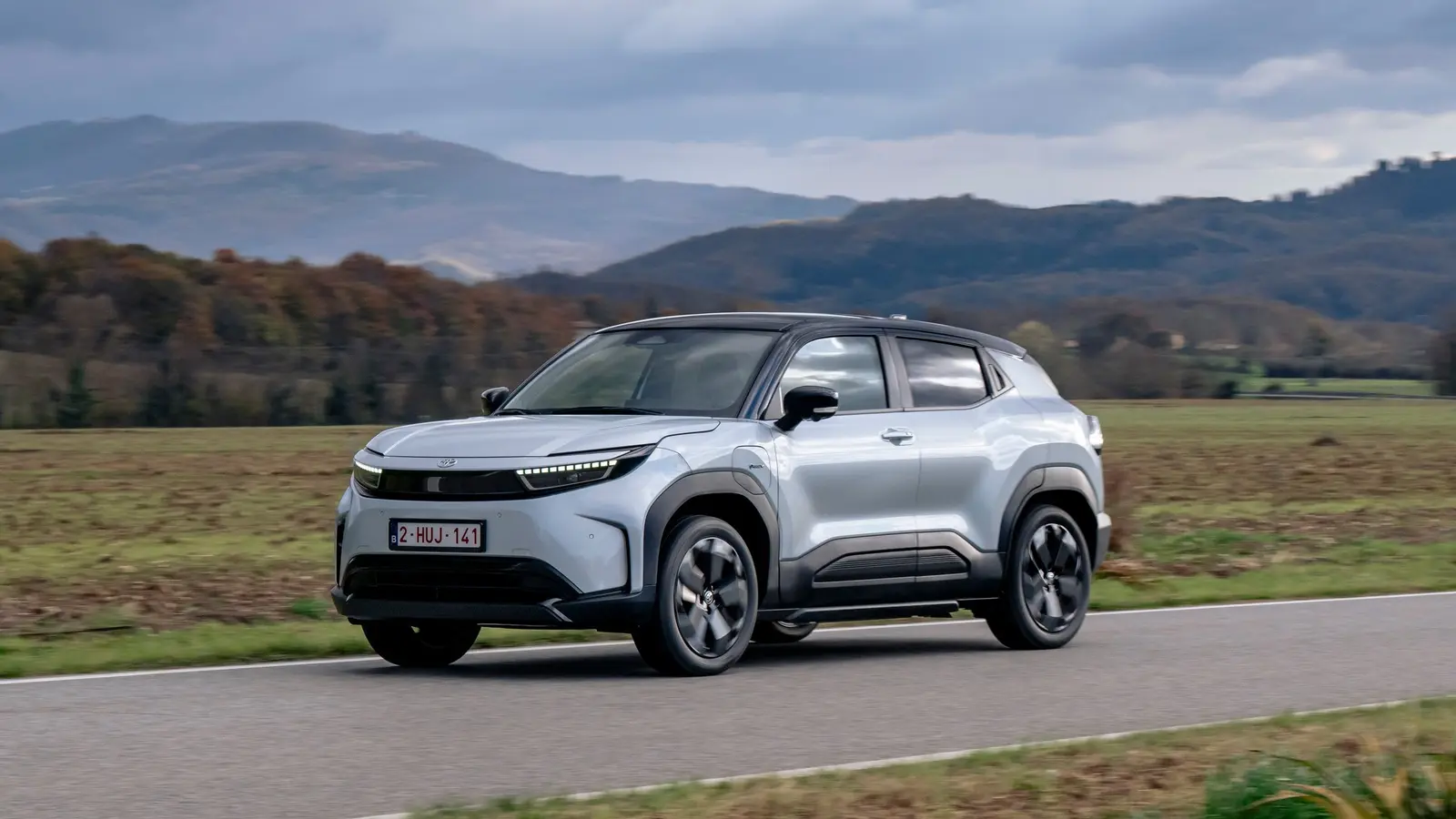
Toyota expands its BEV line-up with a subcompact Urban Cruiser
Toyota Europe has introduced an all‑new battery electric Urban Cruiser for the European market — a B-segment (subcompact) crossover that aims to blend authentic SUV styling with everyday practicality. Built on a dedicated BEV platform and offered with two battery pack choices, the Urban Cruiser is Toyota’s answer for buyers who want a zero‑emissions alternative to the popular Yaris Cross Hybrid.
Not a Subaru twin — a Suzuki sibling
Unlike the bZ4X and several other Toyota models developed with Subaru, the new Urban Cruiser was created in partnership with Suzuki. It shares its underpinnings with the Suzuki e‑Vitara rather than Subaru’s Solterra family. That marks a continuation of Toyota’s pragmatic approach to alliances: sharing technology where it makes sense while keeping distinct model identities.

This isn’t the first time the Urban Cruiser nameplate has been tied to Suzuki models. Past Toyota Urban Cruiser variants have been rebadged Suzuki models in various markets, and this BEV carries forward that collaborative lineage for Europe.
Powertrain, batteries and real‑world range
Toyota offers the Urban Cruiser in three main versions and two battery sizes:
- Base FWD: 49 kWh LFP battery, 144 hp, WLTP combined range of 344 km (214 miles).
- FWD (larger battery): 61 kWh LFP battery, 174 hp, WLTP combined range of 426 km (265 miles).
- AWD (larger battery): 61 kWh LFP battery, 184 hp combined, WLTP combined range of 395 km (245 miles).
Both battery packs use lithium iron phosphate (LFP) chemistry, chosen for durability and cost efficiency. Toyota also equips the Urban Cruiser with thermal management to maintain performance in very cold or hot climates. DC fast charging can restore the battery from 10% to 80% in around 45 minutes under suitable conditions.
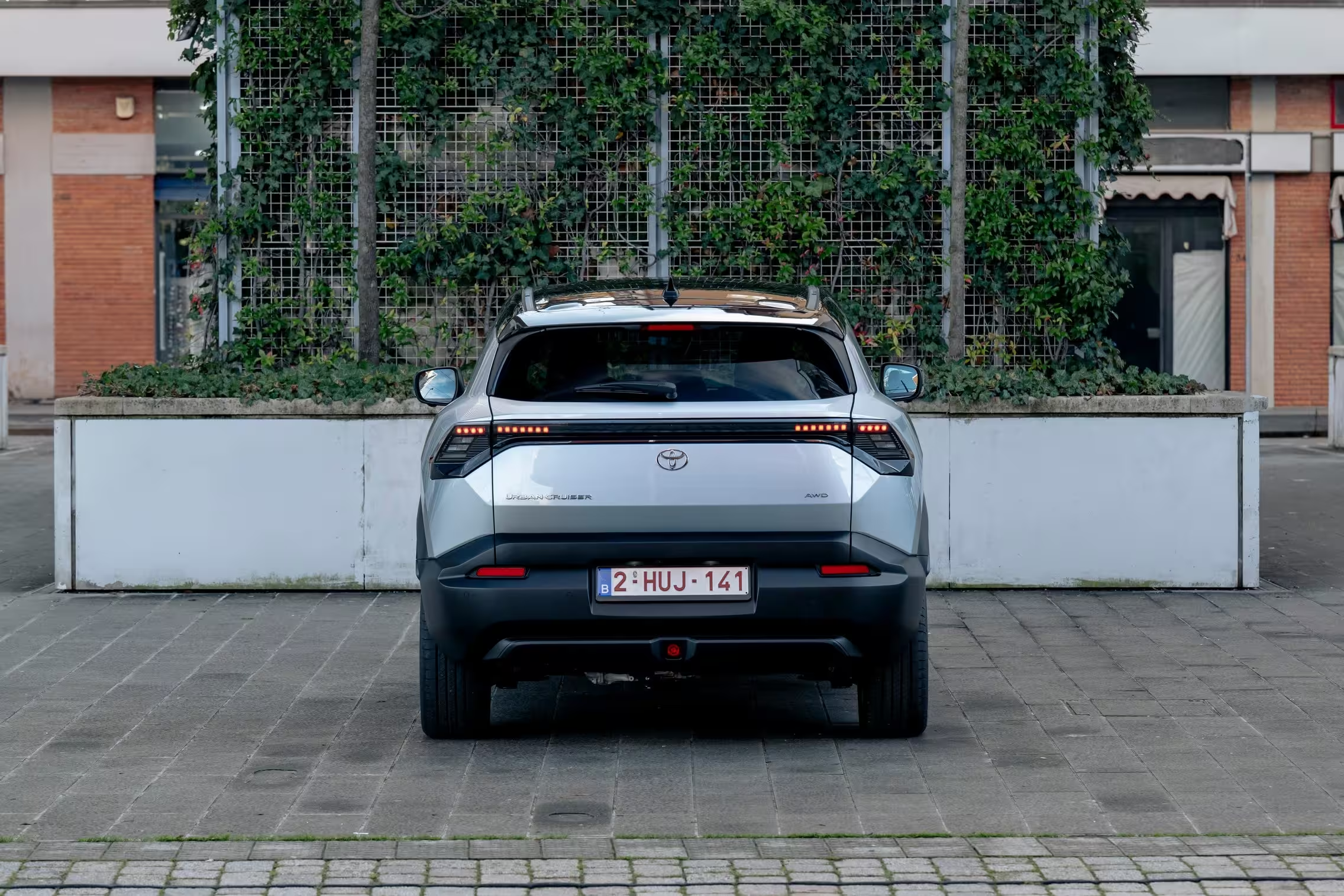
Toyota backs the battery with a Battery Care Program that guarantees at least 70% of original capacity for 10 years or up to one million kilometers (over 621,000 miles), a notable warranty metric for buyers prioritizing long‑term ownership.
Design, practicality and positioning
The Urban Cruiser’s styling leans into compact SUV proportions: raised ride height, rugged cladding and a practical footprint suitable for tight European streets. Interior space and cargo flexibility aim to attract B‑SUV shoppers who previously favored petrol or hybrid options but are now considering a full BEV.
Toyota positions the Urban Cruiser as a direct electric alternative to the Yaris Cross Hybrid—giving B‑segment customers clear choices between low‑emission hybrid drive and a full battery electric powertrain. The addition of a subcompact EV rounds out Toyota’s strategy to cover key segments of Europe’s growing electric SUV market.
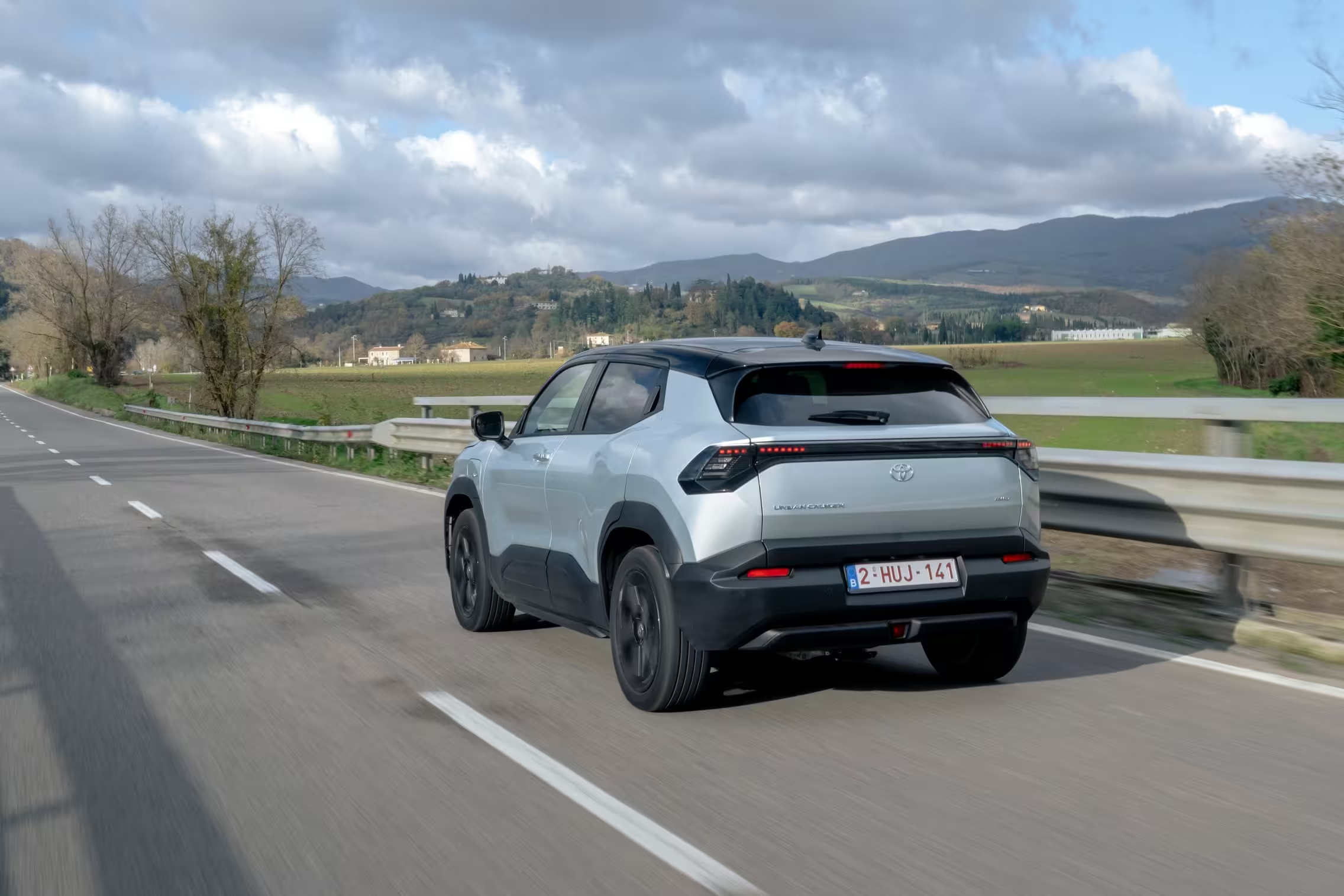
How it stacks up and what to expect
- Sibling: Suzuki e‑Vitara (shared development and components).
- Not a Subaru twin: different partnership and platform than Solterra/Uncharted/E‑Outback.
- Range: competitive WLTP figures for the segment, especially the 61 kWh FWD model.
- Warranty: strong battery warranty promise with the Toyota Battery Care Program.
Buyers should expect good city agility, competitive range for daily use and the reassurance of Toyota’s dealer network for service and support. Pricing and precise European market availability will be revealed regionally, but the Urban Cruiser fills a clear niche: a practical, affordable B‑SUV BEV that complements Toyota’s larger EVs like the bZ4X and upcoming C‑HR+ and Hilux BEVs.
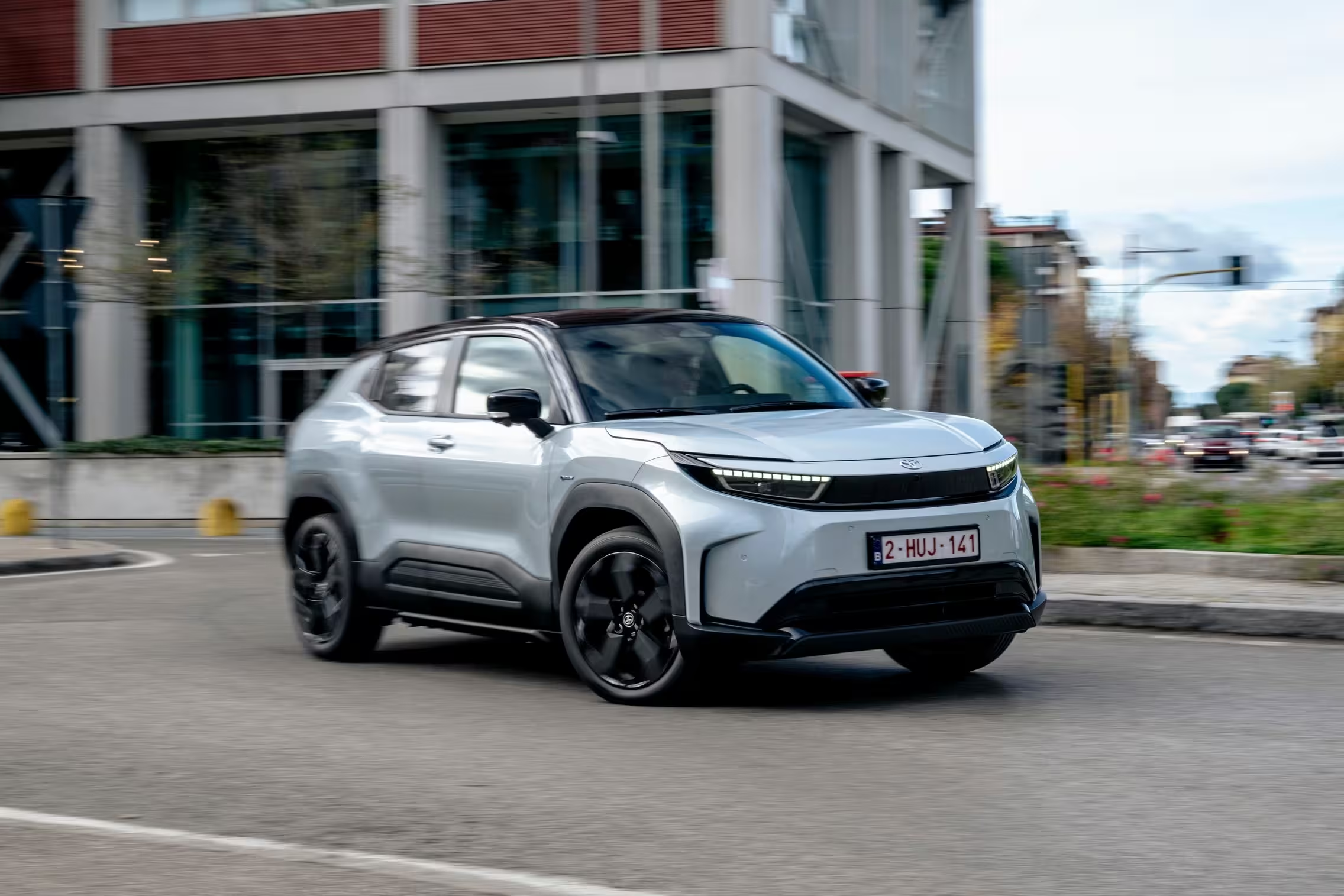
Toyota’s move underlines how alliances and platform sharing are shaping the EV transition: efficient partnerships can deliver more choice to customers without diluting brand character. For European urban drivers who want SUV style, zero tailpipe emissions and Toyota reliability, the new Urban Cruiser is a notable contender.

“I cover automotive innovation, electric vehicles, and the future of mobility — where technology meets sustainability.”

Discussion
Leave a Comment