
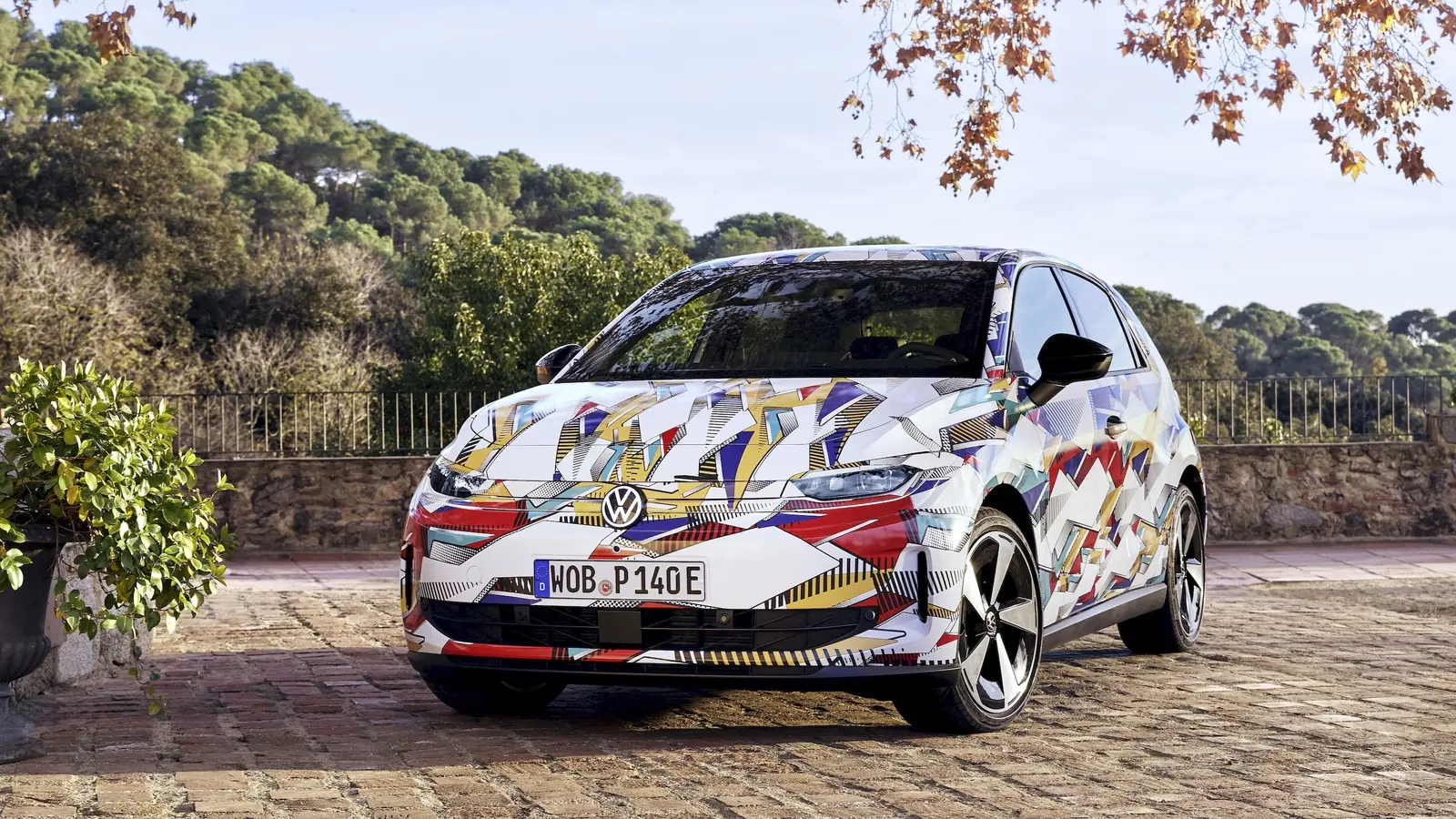
Volkswagen keeps the €25,000 promise with the ID. Polo
Volkswagen has lifted the curtain on the technical details of the production ID. Polo, the compact electric city car that started life as the ID. 2all concept. The headline grabber remains the projected entry price — Volkswagen says the cheapest ID. Polo will still sit below the €25,000 mark — a critical benchmark for mainstream EV adoption in Europe. Expect that price to apply to a very basic LFP-equipped version, but the announcement confirms VW's intent to offer a genuinely affordable EV for city buyers.
Battery choices, charging and range
The ID. Polo will come with two usable battery capacities: a 37 kWh pack and a 52 kWh pack. Volkswagen's PowerCo supplies the cells and the packs use a cell-to-pack architecture. The smaller 37 kWh battery uses LFP chemistry, while the larger 52 kWh pack uses NMC cells.

Charging and real-world timing
There are meaningful differences beyond cell chemistry:
- LFP pack: up to 90 kW DC fast charging; 10%-80% in about 27 minutes.
- NMC pack: up to 130 kW DC fast charging; 10%-80% in about 23 minutes.
Those figures aren't headline-shattering, but they make sense for a compact urban EV with smaller battery sizes. Shorter charging times and faster turnaround at public chargers are achievable thanks to the modest capacities.

Performance lineup
Volkswagen will offer multiple power outputs depending on battery choice:
- Entry LFP variants: 85 kW (114 hp) and 99 kW (133 hp).
- NMC mid-spec: 155 kW (208 hp).
- Top variant (ID. Polo GTI): 166 kW (223 hp).
Range estimates from VW are competitive for the segment: up to 300 km (186 miles) on the LFP pack and as much as 450 km (280 miles) for the higher-capacity NMC versions. The company expects to launch with the 155 kW version available to order first, with other power and battery variants arriving later in the year.
Platform, chassis and packaging
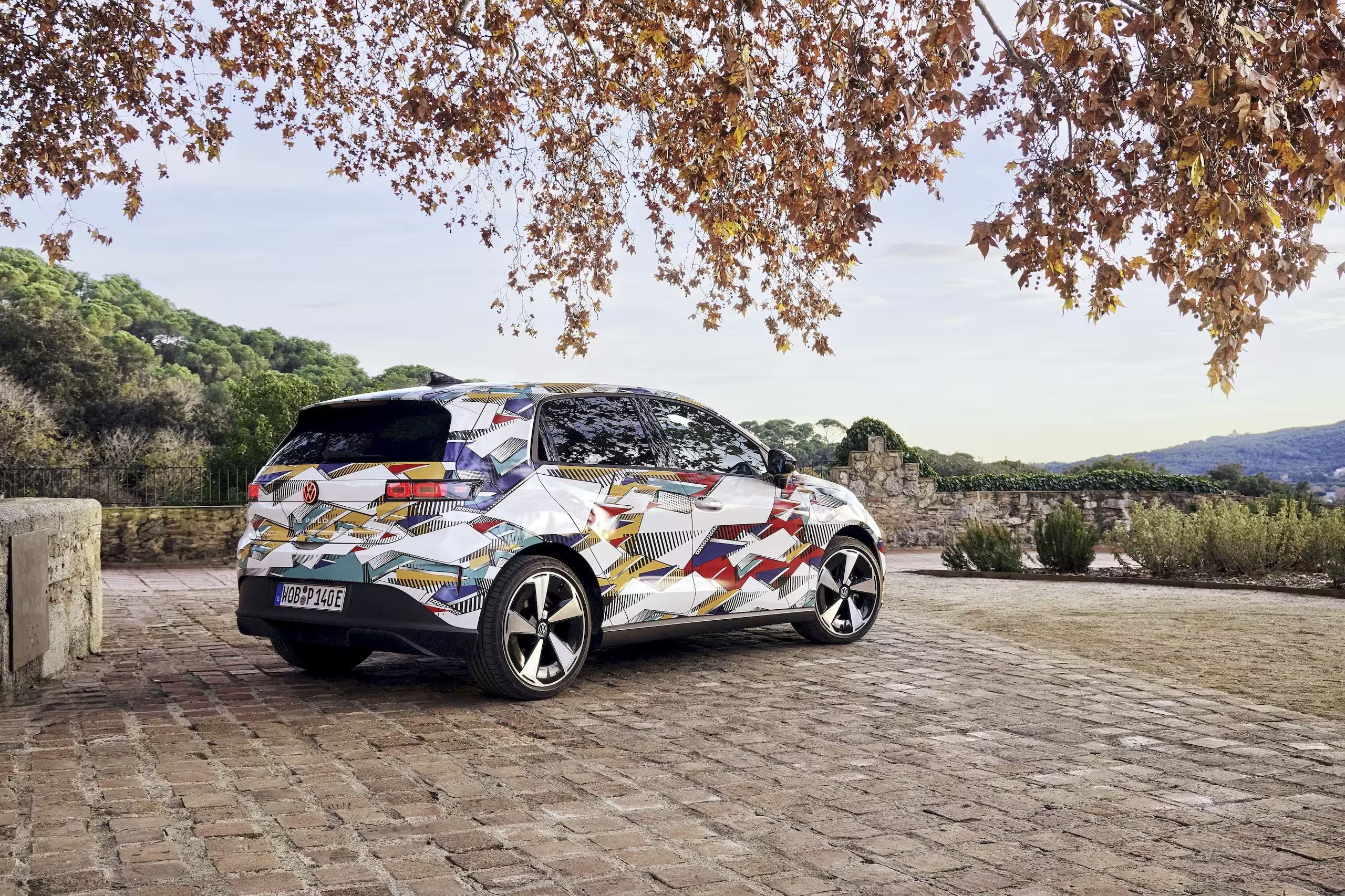
Although the ID. Polo is built on a version of the MEB architecture — dubbed MEB+ for this project — it was re-engineered for front-wheel drive, which required fresh development work. Reports from VW's final test program indicate the car's development was led by sibling brand Cupra, though the Polo keeps a recognisably Volkswagen character inside and out.
Suspension is conventional but tuned for engagement: MacPherson struts up front and a compact torsion-beam axle at the rear. That tidy rear subframe frees up cabin and cargo space; the ID. Polo delivers a 435-liter boot (15.36 cu ft), which is 85 liters more than the combustion-engine Polo's 351 liters.

Market positioning and context
The ID. Polo arrives at a pivotal moment for European carmakers. As demand consolidates around smaller electric cars in urban markets, VW intends to compete directly with value-conscious EVs from other European groups and a rising number of imports. Models like the Peugeot e-208 and Renault 5 have already shown consumers want compact, affordable electrics; Volkswagen's €25,000 promise is a direct response.
Quote: "We're committed to making electric mobility accessible to more people — the ID. Polo is our answer for urban drivers who want a practical, affordable EV," a Volkswagen spokesperson said during the cover-drive briefing.
Trim, options and what the €25,000 really means
A caveat: the sub-€25,000 MSRP applies to the base LFP model with minimal trim and equipment. Expect prices to climb quickly when you choose the larger battery, higher-power motors, GTI treatment, or popular options such as advanced driver assistance packages, upgraded infotainment, or larger wheels.
If history is any guide, most buyers will trade up from the base spec for more range or comfort, meaning average transaction prices will sit well above that headline figure.

When can you buy one?
Volkswagen plans an official public unveiling early next year, with presales beginning in April. Initial ordering is likely to start with the 155 kW NMC variant, while the base LFP model and GTI versions will follow as production ramps up.
Highlights:
- Two usable batteries: 37 kWh (LFP) and 52 kWh (NMC)
- Charging: 90 kW (LFP) / 130 kW (NMC)
- Power: 85 kW to 166 kW (GTI)
- Range: up to 300 km (LFP) or 450 km (NMC)
- Boot: 435 liters, larger than ICE Polo
For urban buyers seeking a well-packaged electric hatch that balances cost and capability, the ID. Polo could be one of the most compelling options when it arrives. The real test will be how well Volkswagen translates the tempting base price into real-world value once options and local taxes are added. Until then, the ID. Polo represents a significant step toward affordable mass-market electrification in Europe.

“I cover automotive innovation, electric vehicles, and the future of mobility — where technology meets sustainability.”

Discussion
Leave a Comment