
Renault polishes the Megane E-Tech for 2026
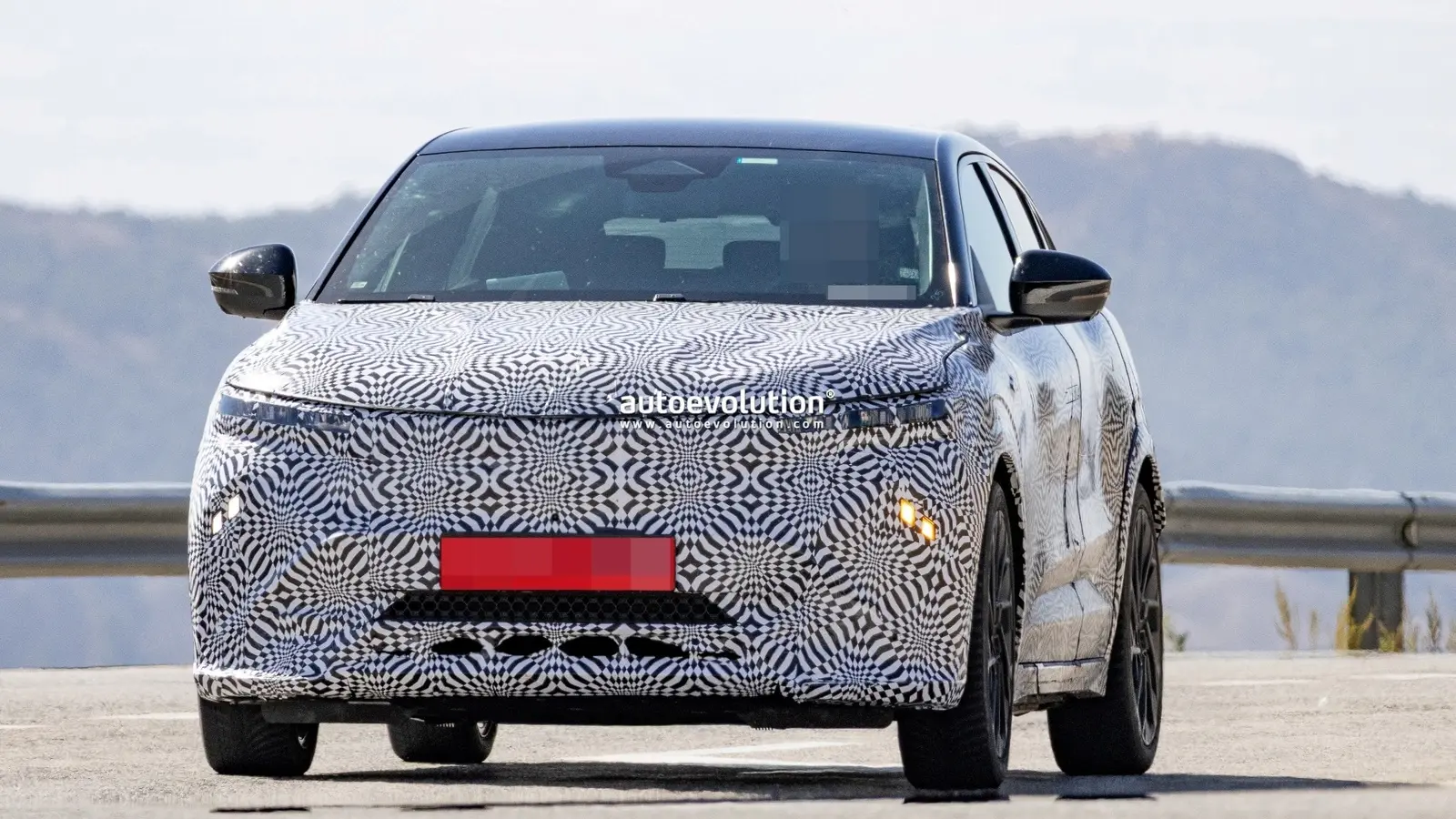
Renault is preparing a subtle but meaningful refresh for the Megane E-Tech Electric, with spy shots captured in Spain showing evolution rather than revolution. The facelifted compact EV appears to be aimed at streamlining styling and improving practicality, while adopting new battery technology that could boost real-world range and charging performance.
What changed on the outside
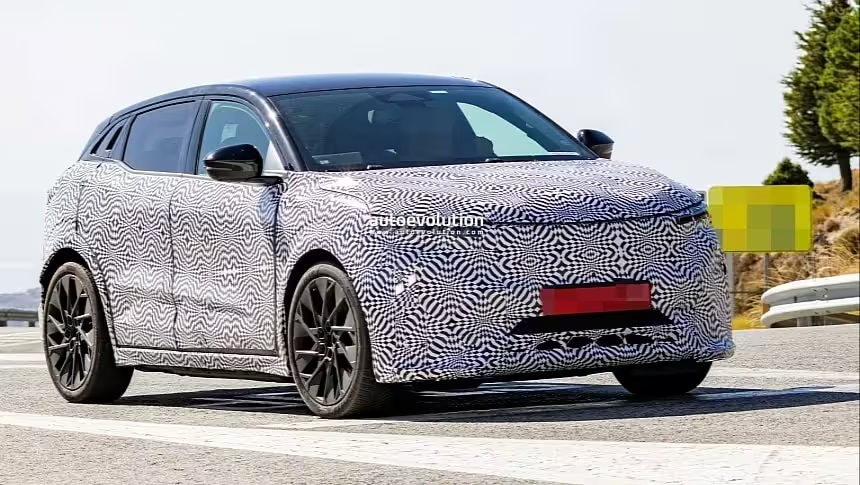
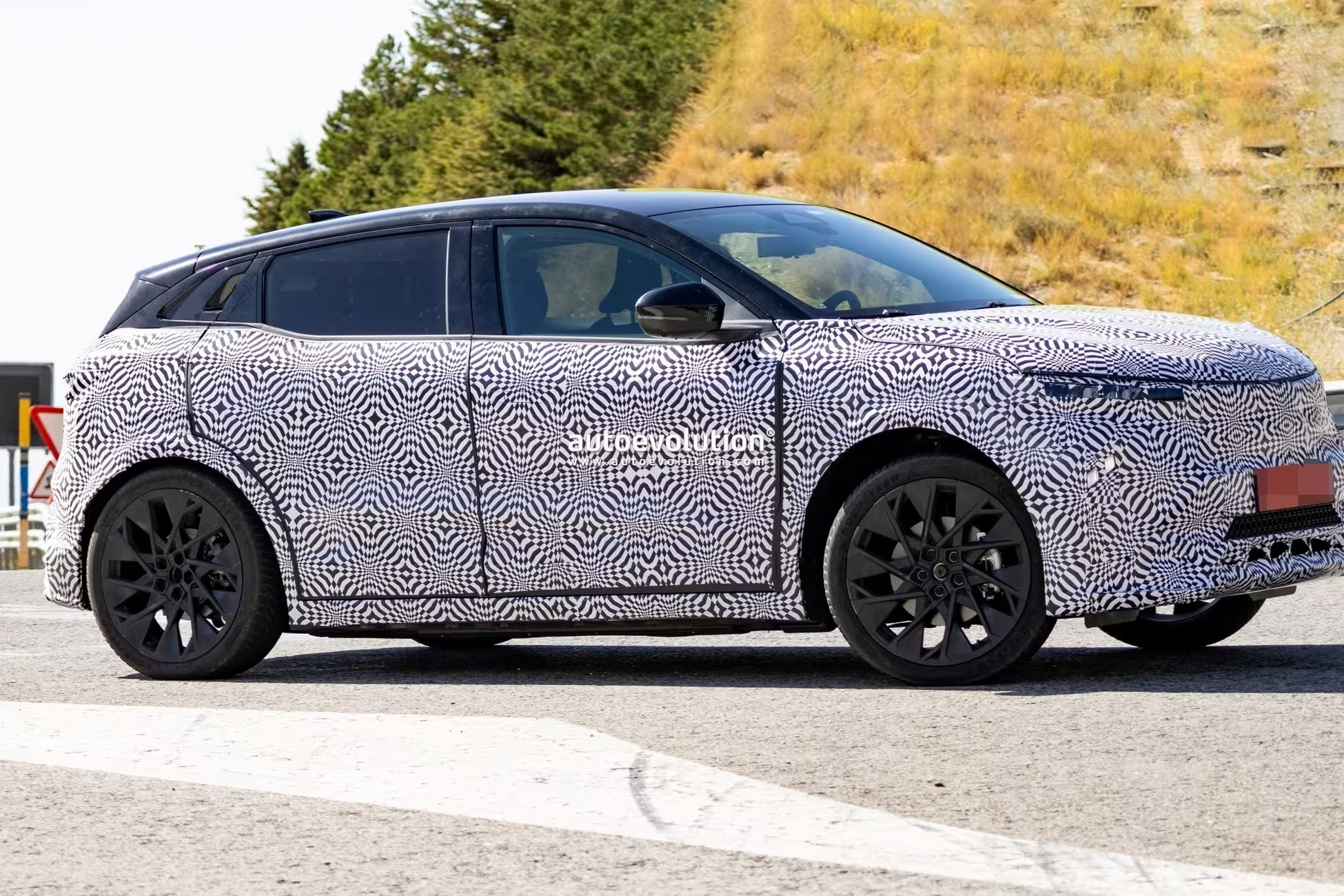
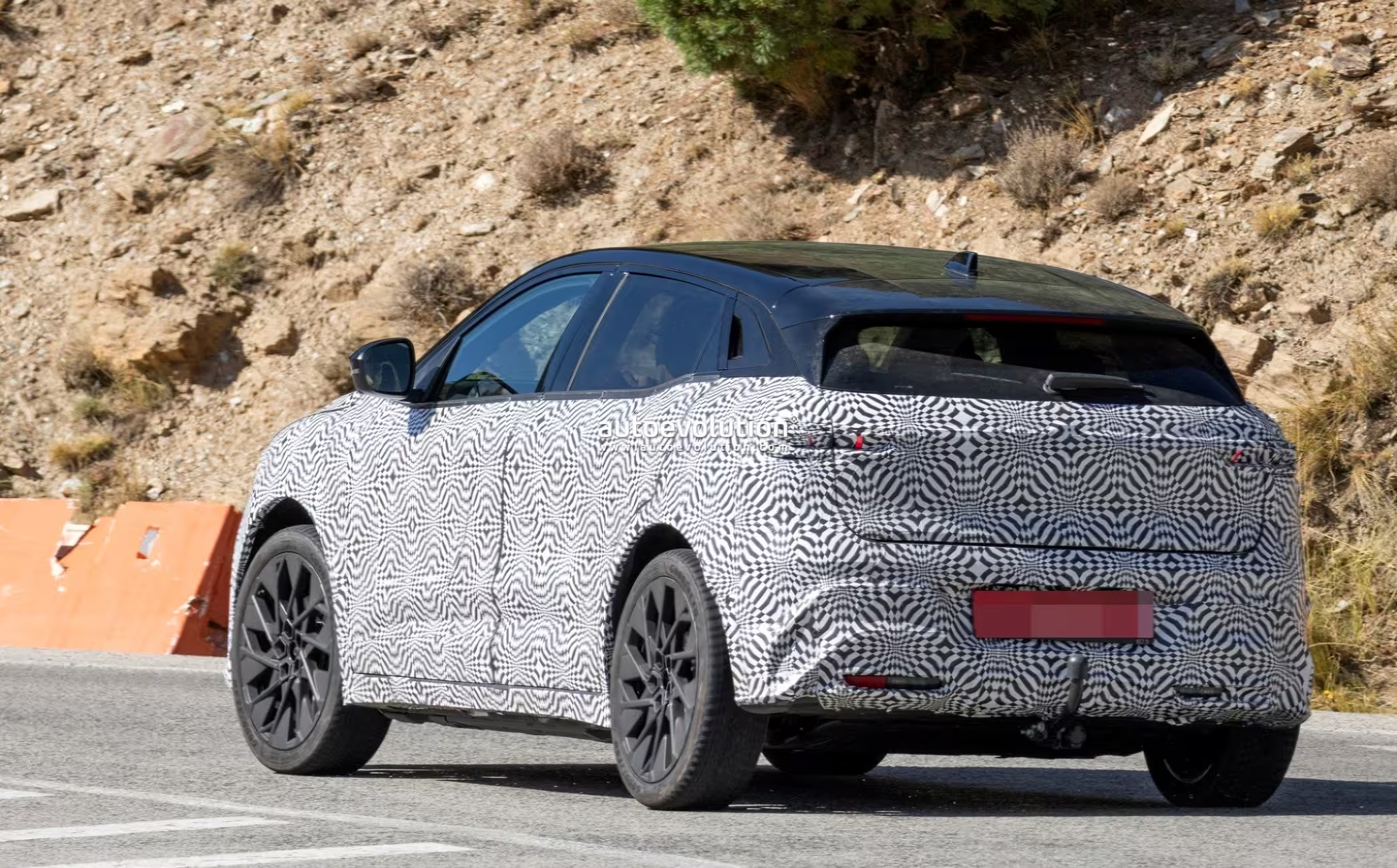
The latest prototype sports a cleaner front bumper, revised daytime running lights and reshaped headlights, giving the Megane a fresher, more modern face. The rear end is updated too, with new tail-light graphics and a neater bumper layout. The vehicle in the photos rides on black-painted alloys that suggest Renault may be testing an Esprit Alpine trim for a sportier presentation.
Highlights:
- Redesigned front bumper and DRLs
- New headlight and taillight signatures
- Black alloy wheels hinting at Esprit Alpine
Towing, trims and visual upgrades
Surprisingly, the prototype carries a towbar. Renault currently advertises up to 900 kg (1,984 lb) towing capacity in markets such as France, Germany and the UK, so the facelift does not appear to compromise practicality. The 2025 lineup remains anchored by Base Techno and the more generously equipped Iconic spec, with the second phase expected to introduce fresh paint colours and minor cabin revisions.
Under the skin: new batteries and potential range gains
One of the more significant changes is a switch in battery supplier. Renault will move away from the current 40 and 60 kWh LG Chem packs and adopt battery cells from Automotive Energy Supply Corporation, or AESC. Although AESC is a Japan-rooted company, production for these packs will reportedly take place in France. Renault expects these domestically built batteries to deliver improved WLTP estimates, potentially raising the Megane's real-world range beyond the previous top figure of 468 km (291 miles) in France.
Charging remains competitive: the outgoing Megane supports up to 150 kW fast charging, and the facelift is likely to maintain similar peak rates while improving efficiency through new cell chemistry and packaging.
Performance and drivetrain
Powertrain options are expected to remain familiar: front-mounted electric motors offering approximately 130 or 220 PS, both electronically limited to 160 km/h (99 mph). All-wheel drive is unlikely to feature in the mainstream range, as demand for dual-motor C-segment EVs in Europe remains muted. Within the Renault-Nissan-Mitsubishi Alliance only performance-oriented Alpine models explore tri-motor layouts.
Features and tech hints
Platform sharing with the Nissan Ariya suggests some crossover in features. The Ariya facelift receives a Google-powered infotainment system and retuned suspension; similar software or optional upgrades, including bi-directional charging, may be offered for the Megane E-Tech as an option.
"This is an evolutionary facelift, not a reinvention," one industry observer commented, noting that Renault seems focused on refining range, usability and style rather than chasing 800-volt architecture or radical power increases.
Where the facelift fits in the market
The updated Megane E-Tech aims to hold Renault competitive in the compact electric segment by improving everyday usability, expanding battery sourcing, and sharpening design cues. For buyers seeking a practical EV with a mix of range, towing ability and modern styling, the facelifted Megane should be an appealing option when it arrives before the end of the year.

“Cars are evolving faster than ever. I cover electric vehicles, smart mobility, and the future of transportation worldwide.”

Discussion
Leave a Comment